
Papdesi: KDKMP Can Strengthen Supply Chain for Free Nutritious Meal Programme
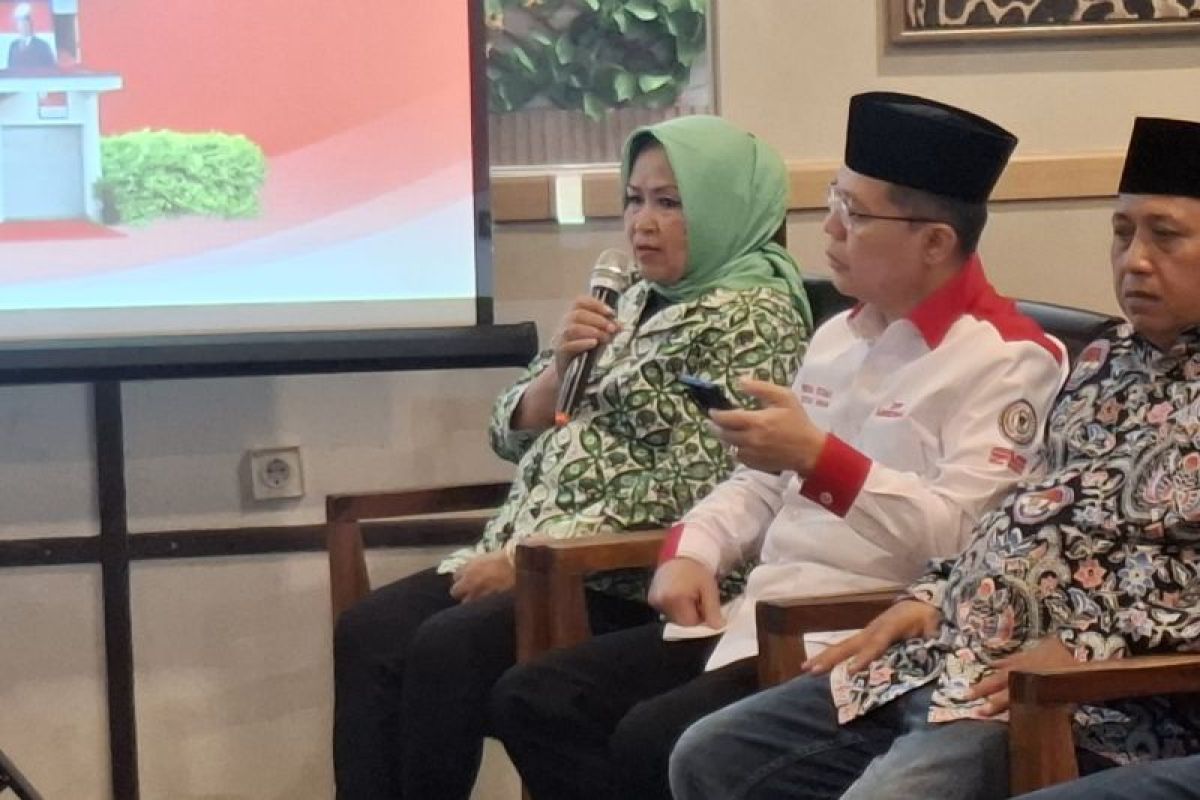
The Indonesian Village Government Association (Papdesi) has assessed that the Village Red and White Cooperatives (KDKMP) can strengthen the supply chain for the Free Nutritious Meal (MBG) programme by absorbing and distributing village products. Papdesi Chairperson Wargiyati stated that the cooperatives could serve as a link between village food producers and the Nutritional Fulfilment Service Units (SPPG), providing local agricultural, livestock, and fishery products with a broader market. “We propose and support the KDKMP as a distributor of village food products for the MBG,” Wargiyati said following a press conference in Jakarta. She noted that the involvement of KDKMP in the MBG supply chain is expected to shorten distribution channels, allowing village producers and businesses to enjoy greater economic benefits from food procurement.
A letter of support dated 27 June 2026, signed by Papdesi alongside the Ministry of Villages and Development of Disadvantaged Regions, the Ministry of Cooperatives, the Ministry of Trade, the Ministry of Marine Affairs and Fisheries, the National Nutrition Agency, PT Agrinas Pangan Nusantara (Persero), and the Indonesian National Armed Forces, declared a commitment to supporting the MBG Programme and KDKMP. This initiative is part of the President’s Sixth Asta Cita, which focuses on village development and economic equality. The document supports the development of KDKMP as a locomotive for driving the village economy through job creation, increasing family incomes, providing affordable staple goods, and supplying the needs of SPPGs in collaboration with Village-Owned Enterprises (BUMDes). Wargiyati noted, however, that the letter represents a shared commitment and that field implementation still requires clearer regulations and cooperation mechanisms.
The document also supports KDKMP becoming a centre for distributing fertiliser, agricultural, plantation, marine and fishery facilities, as well as staple goods for village communities. It further encourages collaboration between central and village governments to continuously improve the governance of KDKMP and MBG so that both national priority programmes run more effectively, efficiently, and on target. Wargiyati expressed hope that the synergy between KDKMP and MBG will not only strengthen food supply for the programme but also create a sustainable market for local products, increase community incomes, and strengthen economic circulation at the village level.
In line with this, the government has previously directed KDKMP to synergise as part of the MBG Programme’s supply chain. Coordinating Minister for Food Zulkifli Hasan stated that SPPG kitchens will purchase raw materials from KDKMP, which absorb the agricultural, fishery, and livestock products of village communities. The National Nutrition Agency has also mentioned that KDKMP can act as an aggregator or support system for SPPGs, ensuring that supplies from farmers, breeders, and fishermen are better coordinated. Minister of Cooperatives Ferry Juliantono said this synergy is expected to sustainably meet the raw material needs of the MBG programme. As of 3 March 2026, the MBG Programme had reached 61,239,037 beneficiaries, with 49,057,682 being students. The scale of the programme opens up a large and sustainable demand for food supplies across various regions. The National Nutrition Agency also recorded that 27,820 SPPGs were operational as of June 2026, a service network that has the potential to expand the market for local food products if supported by commodity mapping, purchase certainty, food safety standards, and inter-agency coordination. Meanwhile, the Ministry of Cooperatives noted that around 83,000 KDKMP have obtained legal entity status, with 15,845 units having completed physical construction and 19,539 units targeted for completion by the end of 2026 still under development.