
Pansus: The Industrial Design Bill is crucial to protect intellectual property
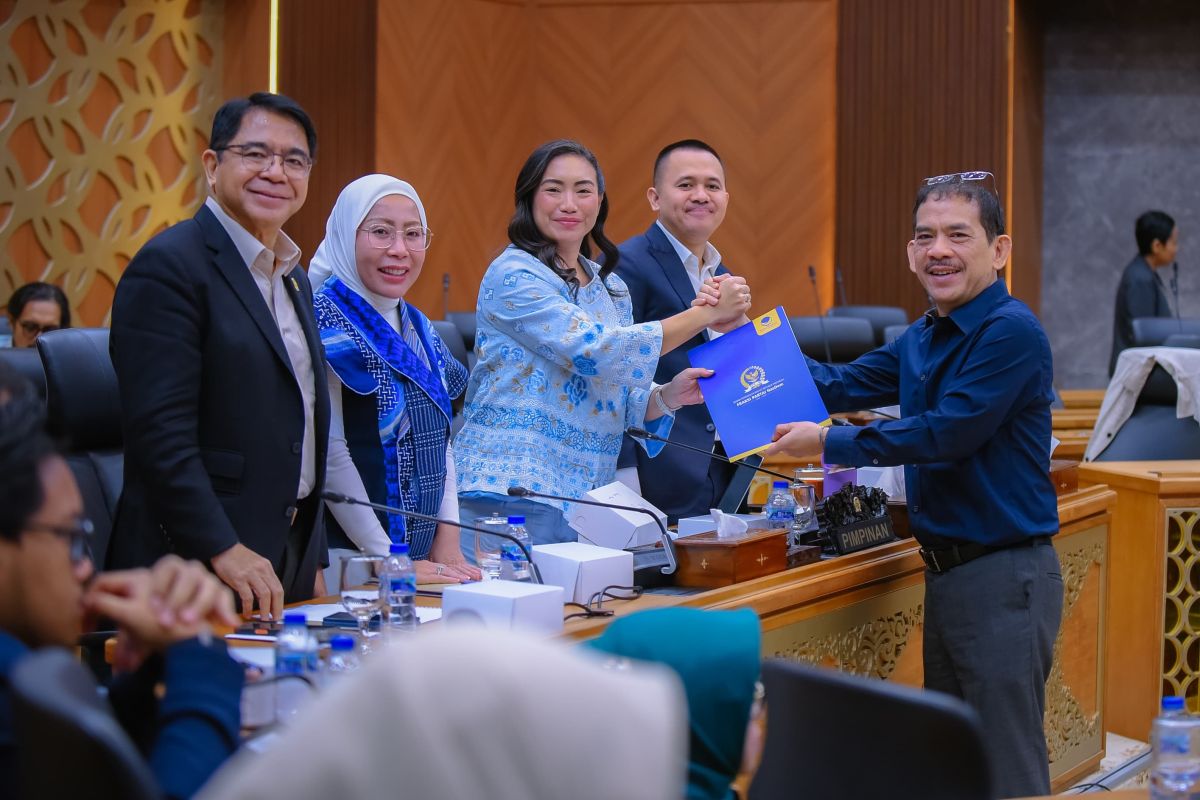
The Deputy Chairman of the Special Committee (Pansus) for the Rancangan Undang-Undang (RUU) on Industrial Design at the DPR RI, Franciscus Sibarani, said that the deliberation of the RUU is an important step in strengthening national intellectual property protection while also boosting the competitiveness of Indonesia’s industry amid the growth of the digital economy and global trade.
He said that Law No. 31 of 2000 on Industrial Design is no longer fully aligned with current industry dynamics. Therefore, regulatory updates are needed to address the challenges posed by evolving technology, the creative industries, and the ever-changing patterns of international trade.
“The Industrial Design Act has been in place for more than two decades. During that period, there have been numerous developments and dynamics in the industry that require stronger regulation to provide robust legal protection while supporting a conducive climate for business and creativity among the population,” Sibarani said in a statement in Jakarta on Thursday.
In the discussion, the Golkar Party faction stressed that updating the Industrial Design Act should not be merely administrative, but must be able to address the real needs of the national business world and the evolving creative industries.
Golkar argues that protection of industrial designs must be increasingly accessible, especially for Micro, Small and Medium Enterprises (MSMEs), Small and Medium Industries (IKMs), and local designers who have long faced a range of obstacles in the registration process and in securing legal protection for their works.
“We must not allow the creativity and innovation of the nation’s people to be disadvantaged because the protection system is hard to reach. The state must provide legal certainty while also fostering a healthy and competitive business climate,” Sibarani said.
Moreover, the Golkar faction also highlighted new challenges in the digital era, particularly regarding the publication of designs via social media that could affect the novelty element of an industrial design.
According to Golkar, the regulation must be able to follow developments in modern promotion and marketing patterns without reducing the principles of intellectual property protection.
The DPR RI’s Pansus for the Industrial Design Bill also sees the need for a faster and more adaptive protection system for products with short commercial cycles such as fashion, kriya (crafts), and textiles, so that the national creative industry players can be more competitive and protected amid fast-moving market dynamics.
Sibarani hopes that the deliberation of the RUU will yield regulations that are modern, fair, and capable of strengthening the national creative industries ecosystem.
“This Bill is expected not only to provide legal certainty but also to spur innovation, creativity, and national economic growth,” he said.