
PANRB Minister Urges Civil Servants to Embed Pancasila Values in Public Service
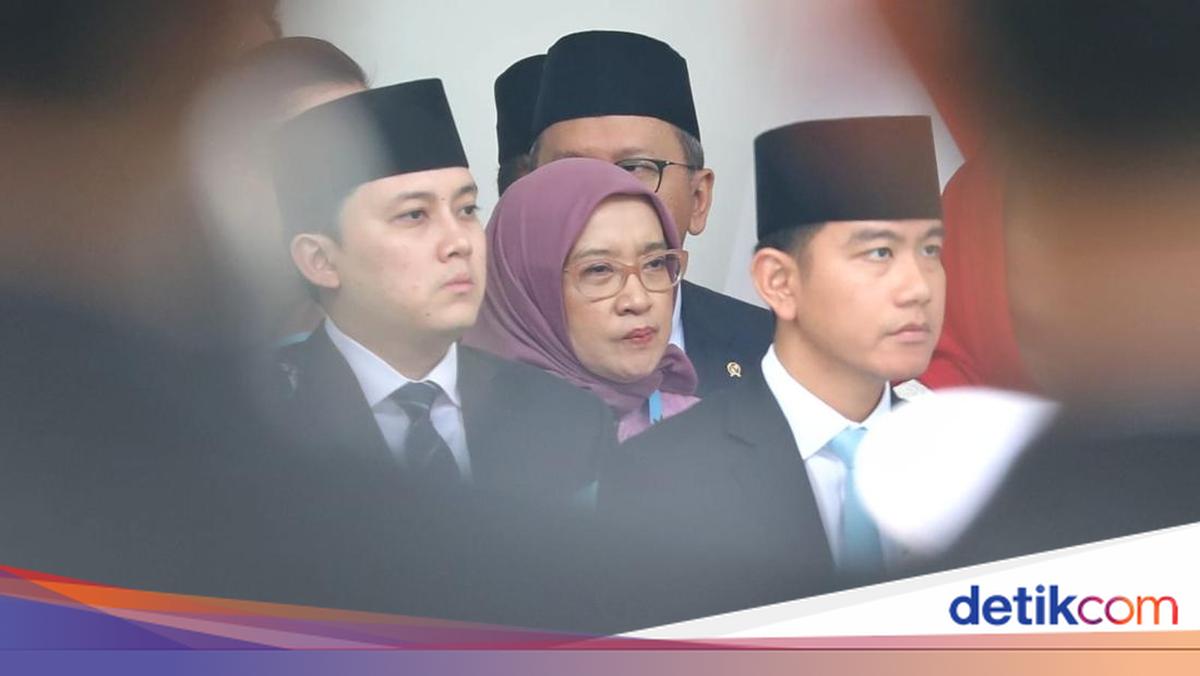
PANRB Minister Rini Widyantini has urged that the anniversary of Pancasila’s birth should not merely be celebrated as an annual ceremony. She stressed that the noble values of Pancasila must be embodied in service, including for civil servants in delivering non-discriminatory public services.
“Make Pancasila a living value in every service to the nation. We must deliver fair, inclusive public policies and services that provide tangible benefits to the public,” Rini said in a statement on Monday (1 June 2026).
Rini called on civil servants from central to local levels to craft public policies rooted in social justice, ensuring public fairness, safeguarding the rights of the most vulnerable, and preventing citizens from feeling neglected.
These values align with the BerAKHLAK core values for civil servants: service-oriented, accountable, competent, harmonious, loyal, adaptable, and collaborative.
This year’s Pancasila Day commemoration carries the theme ‘Pancasila: Unifier of the Nation, Foundation of World Peace’. The theme highlights that Pancasila’s noble values are not only relevant for maintaining Indonesia’s unity but also provide answers for achieving global peace.
Pancasila serves as a ‘moral anchor’ amid global turbulences, from technological disruption to geopolitical dynamics.
Rini stated that Pancasila encapsulates the nation’s noble values and customs, formulated by Indonesia’s first president, Soekarno, during his exile in Ende, East Nusa Tenggara, under Dutch colonial rule.
It was first delivered in his landmark speech at the Preparatory Committee for Indonesian Independence (BPUPKI) session in 1945.
The term ‘Pancasila’ was first introduced in the 1 June 1945 speech. Since then, it has served as the nation’s foundation and a guiding principle for maintaining unity amid diversity.
She added that all policies and government processes must be guided by Pancasila’s values to preserve national identity. For instance, the value of deliberation and consensus is reflected in the government’s obligation to include all societal layers when formulating policies.
Rini cited the implementation of Pancasila in service standards, where government agencies must involve diverse societal elements, including academics, civil society organisations, and vulnerable groups such as persons with disabilities.
“We must prove that all our service is for the people, creating inclusive services without distinction,” Rini stressed.
Meanwhile, Deputy Minister Purwadi Arianto affirmed that Pancasila serves as a guiding star that has proven its resilience. As the world faces fragmentation threats, Indonesia remains steadfast despite its diversity.
With over 17,000 islands and diverse customs, ethnicities, languages, and religions, Indonesia coexists under a single national bond.
Current technological advancements could lead society towards negative outcomes. Therefore, Purwadi urged the public to embrace Pancasila as a living ideology.
“We must continually combat all forms of intolerance and radicalism that undermine our national harmony,” Purwadi stressed.