
Panggah Warns Tobacco Regulations Could Trigger Import Surge
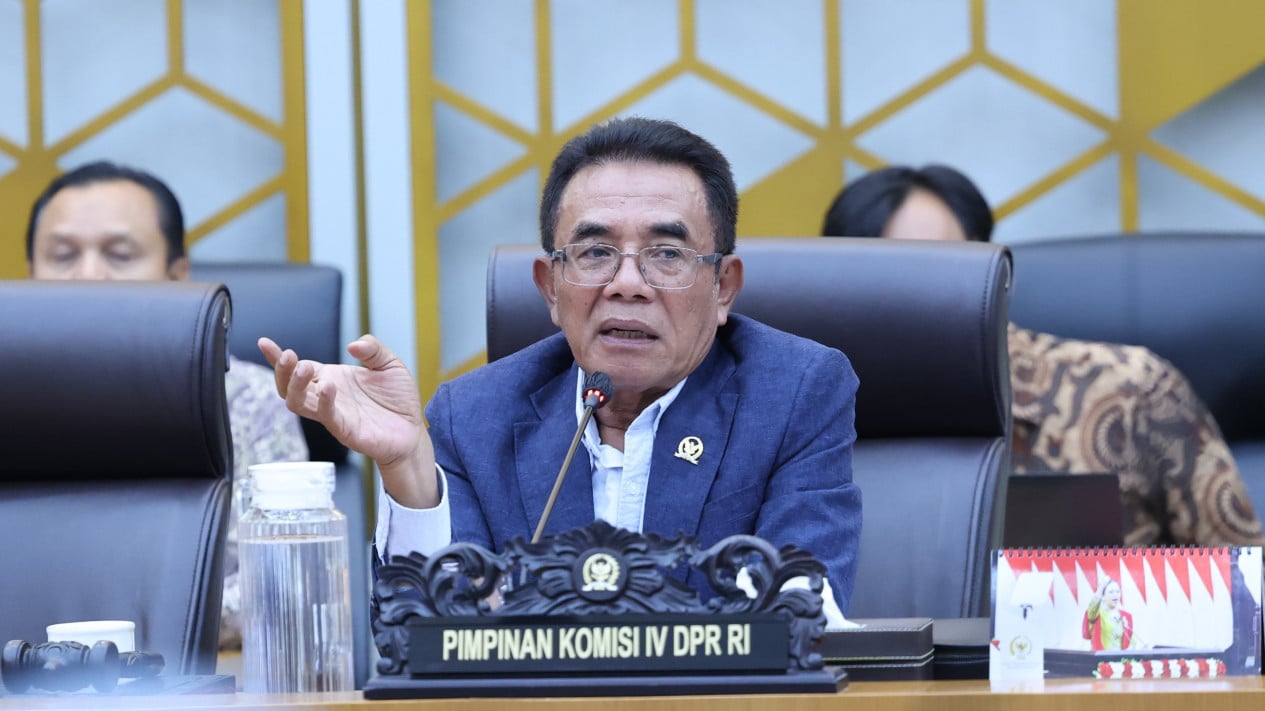
Jakarta, VIVA – Panggah Susanto, Deputy Chair of Commission IV of the Indonesian House of Representatives (DPR RI), has called for a comprehensive review of Government Regulation No. 28 of 2024, a derivative of Law No. 17 of 2023 on Health, particularly regarding the provision limiting tar and nicotine content to 1 mg per cigarette and the standardisation of cigarette packaging.
According to him, the regulation has the potential to suppress local tobacco farmers and open the door to increased tobacco imports.
Panggah noted that Indonesian tobacco, grown in tropical regions, naturally has higher nicotine and tar characteristics than tobacco from producer countries in subtropical or four-season climates, such as China, India, Brazil and the United States.
Consequently, the 1 mg tar and nicotine limit per cigarette is feared to reduce the uptake of local tobacco and create opportunities for rising imports.
Panggah also observed a trend of increasing national tobacco imports. Based on Statistics Indonesia (BPS) data he compiled, Indonesian tobacco imports rose from 110.9 thousand tonnes worth USD 580.3 million in 2019 to 167.8 thousand tonnes worth USD 911.2 million in 2024.
“We should not view the tobacco sector from only one angle. There are around 2.5 million tobacco farmers, 300,000 industrial workers, and more than 6 million workers in downstream sectors who depend on this ecosystem. Not to mention the contribution of around Rp200 trillion in excise duties and other taxes to the state,” Panggah said in a statement on Friday, 24 July 2026.
He made the remarks when Commission IV of the DPR RI received representatives from the tobacco farming community, tobacco business actors, and the Chair and members of the Temanggung Regency Regional House of Representatives (DPRD).
Commission IV of the DPR RI therefore urged the government to find a point of balance between health considerations, farmer protection, industrial sustainability, employment absorption and state revenue.
Tobacco sector policies need to be drafted with adequate research so as not to create new adverse impacts on local farmers and the national economy.