
Pancasila in the Wounded Soul of a Child
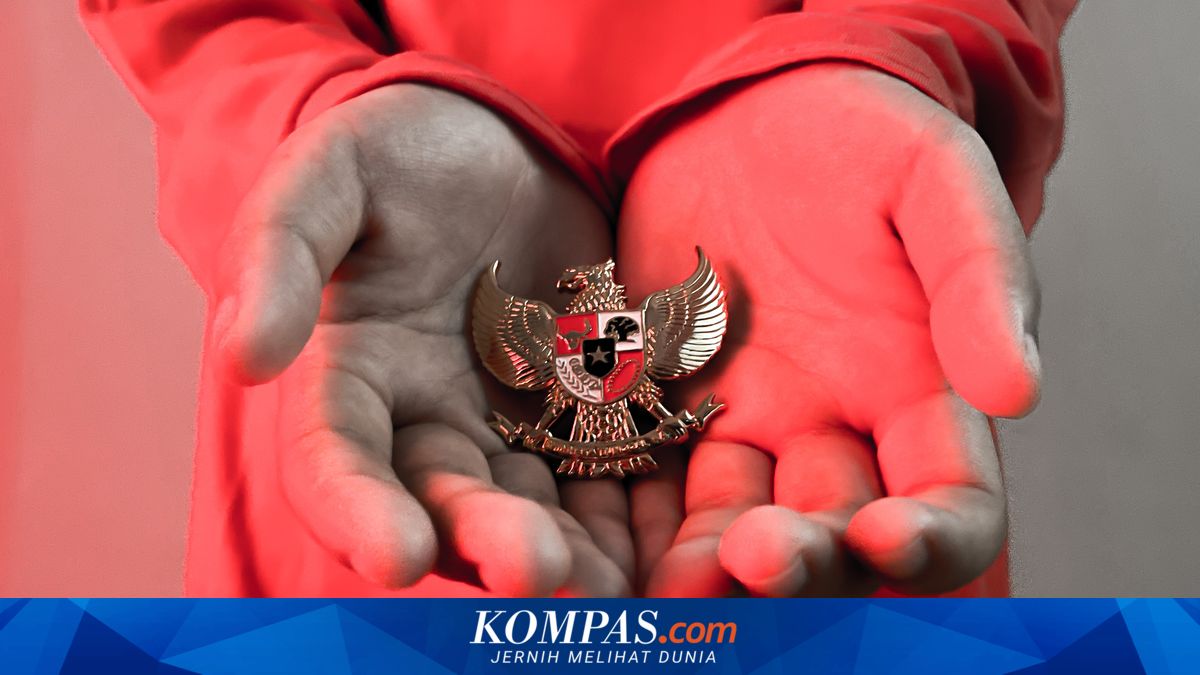
Truly, we must reflect on the fatal consequences of various tragedies that wound children—both physically and emotionally—stemming from numerous violent incidents they endure. Moreover, many of these wounds ultimately lead to the loss of the nation’s future generations. Tragic reports of child violence are so frequent that it is not an exaggeration to say such news surfaces almost daily. A National Survey on Children and Adolescents’ Life Experiences (SNPHAR), released last year, found that over half of Indonesian children—50.78%—have experienced violence. Yet, as the nation’s philosophical foundation, Pancasila has established a strong basis for respecting human dignity, including that of children. Therefore, with violence and injustice still so prevalent in their lives, it is not just the effectiveness of child protection policies being questioned, but also how deeply Pancasila’s values are embedded in their daily experiences. Let us reflect again: the spaces of justice for them remain severely unequal. This often stems from economic disparities that critically affect their basic rights, such as nutrition impacting growth and development, to equitable access to education. Regarding education access, it is no secret that many children are forced to accept their circumstances. Even today, the shifting schemes for new student admissions raise questions: what is the real intent? Is it genuinely to reduce injustice, or a failure to create fairness? For new student admissions, the Corruption Eradication Commission (KPK) even issued an edict on preventing corruption and managing gratification in the Student Admission System (SPMB). The issuance of this edict indirectly highlights that ensuring children’s access to their desired schools remains a steep uphill battle.