
Pancasila and the Practice of Pesantren
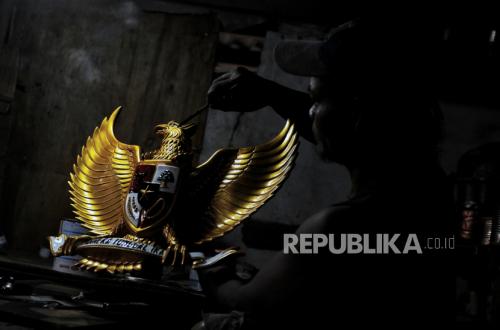
Pancasila is not lacking defenders. It lacks people willing to pay the price to uphold it. Its name is commemorated annually, yet not always reflected upon. Its principles are recited weekly, but not always lived. History shows nations do not collapse from losing a motto; they fracture when values praised in speeches are gradually abandoned in reality.
The nation’s greatest crisis is not conceptual but character-based. We have a solid constitutional foundation, lofty ideals, and comprehensive regulations. Yet these become mere words without honest, trustworthy, just, and responsible individuals. Pancasila’s future ultimately depends on the quality of those who embody it.
The Forgotten Crisis
Many assume Pancasila’s greatest threat comes from its opponents. Yet a quieter danger arises from those who claim to uphold it but refuse to practice it. Divinity is praised while integrity is sacrificed. Unity is called for, yet division is nurtured. Justice is an ideal, yet privileges are perpetuated. Grand values often yield to petty interests.
Such crises cannot be resolved through regulation alone. Laws can govern behaviour but not always shape the heart. Power can create order, yet not automatically foster virtue. A healthy nation requires individuals who uphold trustworthiness unobserved, act rightly when tempted to deviate, and prioritise service over personal gain.
Pesantren and Soul Formation
This is where pesantren find relevance. From the outset, they were not built for popularity or power. Their primary work is shaping individuals. Knowledge is taught, but it is not the ultimate goal. The deeper purpose is to cultivate individuals who know their Creator, understand their responsibilities, and recognise life as a trust to be accounted for.
Pesantren tradition is rooted in the belief that major change begins with inner discipline. In Sufi tradition, social decay often stems from inner turmoil. Thus, education not only imparts knowledge but also cultivates patience, sincerity, discipline, and self-control. A well-ordered soul produces orderly behaviour, and good individuals build a good society.
Pancasila in Practice
Many values central to Pancasila have long thrived in pesantren tradition—not as occasional theory but as daily practice. Divinity manifests in worship and sincerity. Humanity grows through etiquette and respect for others. Consultation, responsibility, and discipline are ingrained in communal life. Unity is not taught as a slogan; it emerges from daily interactions among students from diverse regions, cultures, and backgrounds. They learn to coexist, share responsibilities, and resolve differences maturely. Values consistently practised are far stronger than those merely memorised.