
Panama and El Salvador Declare State of Emergency over Severe El Nino Drought
Panama and El Salvador have officially declared a state of emergency following the threat of severe drought caused by the El Nino weather phenomenon. The move follows Honduras, which had previously issued a similar alert, amid growing concerns about a potential food crisis in the Central American region.
Panama’s Interior Minister, Dinoska Montalvo, said the declaration of a state of emergency was made so that the government could anticipate the adverse impacts of the water crisis. “This step was taken so that the authorities are prepared to face what may happen due to El Nino,” Montalvo said on Tuesday.
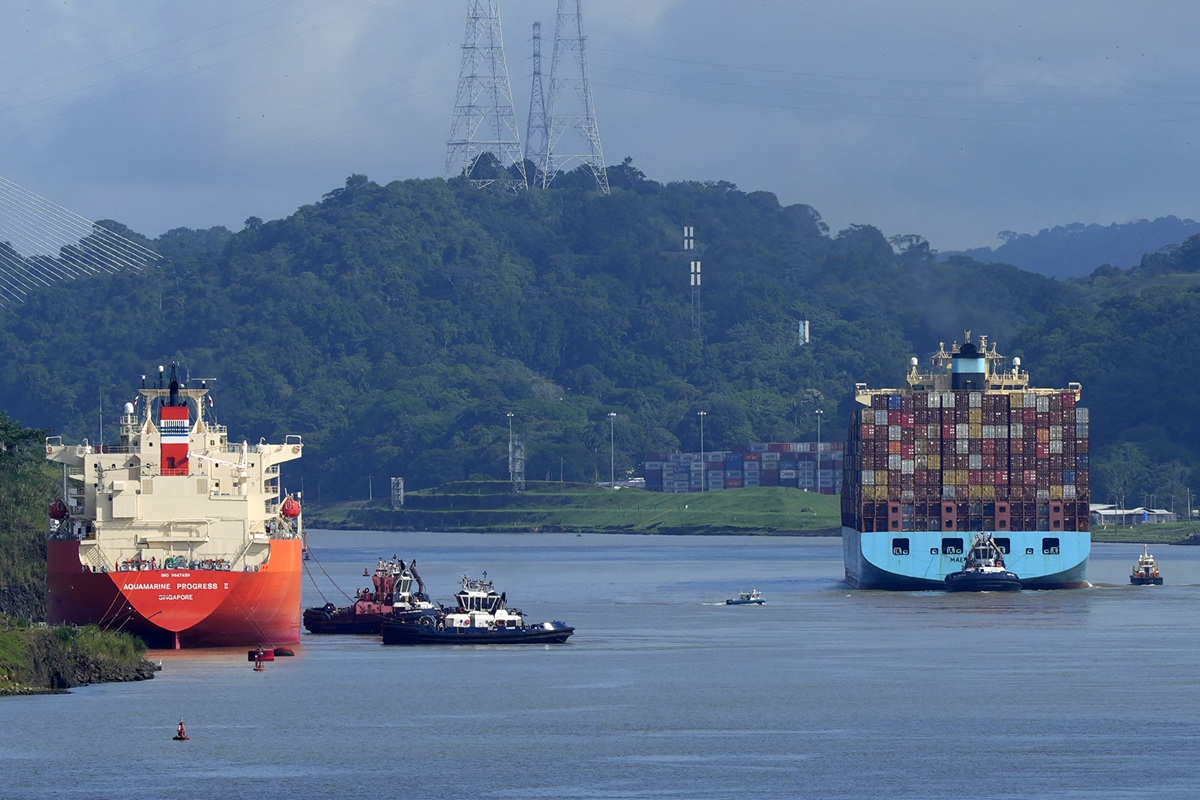
The severe drought hitting Panama has caused a sudden drop in water volume, forcing the Panama Canal authority to cut capacity and the number of commercial shipping transits on the world’s vital trade route.
On the same day, El Salvador declared a maximum alert (red alert) to activate monitoring, surveillance, and aid distribution efforts for affected communities.
“We are sounding a red alert regarding meteorological and agricultural drought across the entire national territory,” El Salvador’s Civil Protection agency wrote on its official X account.
The lack of rainfall in El Salvador, which is usually abundant during this period, has massively damaged food crop supplies. In response, El Salvador’s Ministry of Agriculture announced the distribution of food aid to families in rural areas that lack irrigation systems.
Several municipalities in El Salvador are part of the Central American Dry Corridor, an arid belt that also crosses parts of Honduras and Nicaragua. The region is known to be highly vulnerable to extreme weather shocks.
El Nino is a natural weather pattern that triggers rising sea surface temperatures in the central and eastern Pacific Ocean. The phenomenon disrupts global wind and rainfall cycles and drives global temperature increases in what is predicted to be the hottest year on record. Although it occurs every two to seven years, this El Nino is considered the most intense in recent years.
Previously, Honduras had placed 80 percent of its territory on alert. Three Central American countries—Panama, El Salvador, and Honduras—have broken monthly temperature records during June and July. In El Salvador alone, 14 heat records were surpassed during August.
The impact of the phenomenon has also extended to South America. Last week, the Peruvian government declared a state of emergency in a third of its municipalities due to the threat of heatwaves and intense rainfall that could damage the national food production chain.
Source: jawawa.id (https://jawawa.id/newsitem/panama-and-el-salvador-declare-state-of-emergency-over-severe-el-nino-drought-1787716253)
Originally published by Media Indonesia (https://mediaindonesia.com/internasional/926001/dipicu-kekeringan-parah-panama-dan-el-salvador-tetapkan-status-darurat-el-nino), translated from Indonesian