
PAN Responds to Ganjar: Prabowo's Statement on Paid Protests Stems from Concern
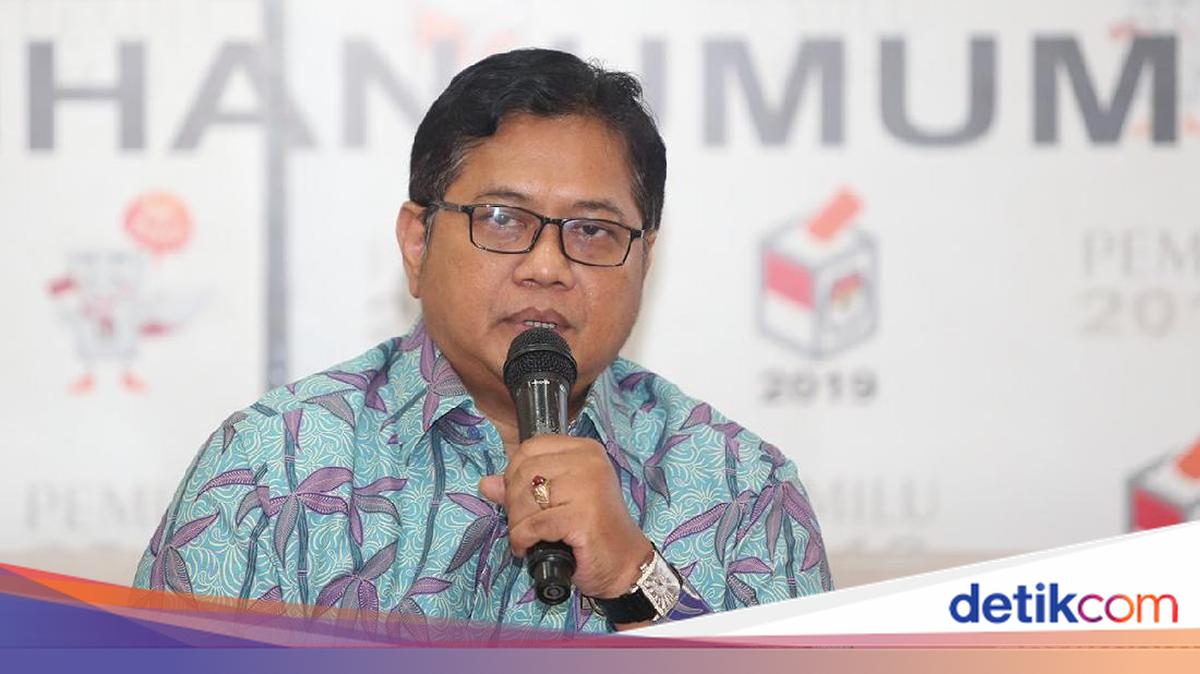
The National Mandate Party (PAN) has responded to criticism from PDIP politician Ganjar Pranowo regarding President Prabowo Subianto’s statement on paid protests. PAN Deputy Chairperson Viva Yoga stated that the President’s remarks were a form of concern that public aspirations are being tainted by money politics.
“According to PAN, President Prabowo’s statement highlighting the existence of paid protests is a form of the President’s concern that the people’s aspirations in the public sphere have been tainted by the practice of money politics,” Viva said on Thursday.
Viva emphasised that such practices are detrimental to democracy. He argued that the President’s focus was on ensuring that moral movements, particularly those by students, are not hijacked by individuals with hidden political agendas. “This is not good for democracy and must be stopped. The President is very open to criticism. He just does not want the substance of the criticism to be damaged by stowaways who have certain political interests,” he explained.
He further stressed that constructive criticism is essential for the government. “Criticism is a vitamin and a tonic for the government’s body. However, the moral force of the student movement must be maintained in its purity so that it remains a constructive criticism and an important component of the nation’s transformation,” Viva added.
These remarks were in response to Ganjar Pranowo, who had earlier urged President Prabowo to provide legal certainty regarding the alleged funding of protests. Ganjar stated that not all demonstrations are paid and that the government should process any evidence legally rather than making public assumptions. “If there are parties who finance demonstrations, of course, it would be better to disclose them to the public and process them legally. Democracy requires legal certainty, not just allegations or narratives that end up causing public polemic,” Ganjar said.