
PAN DPRD Members Learn Sustainable Waste Management
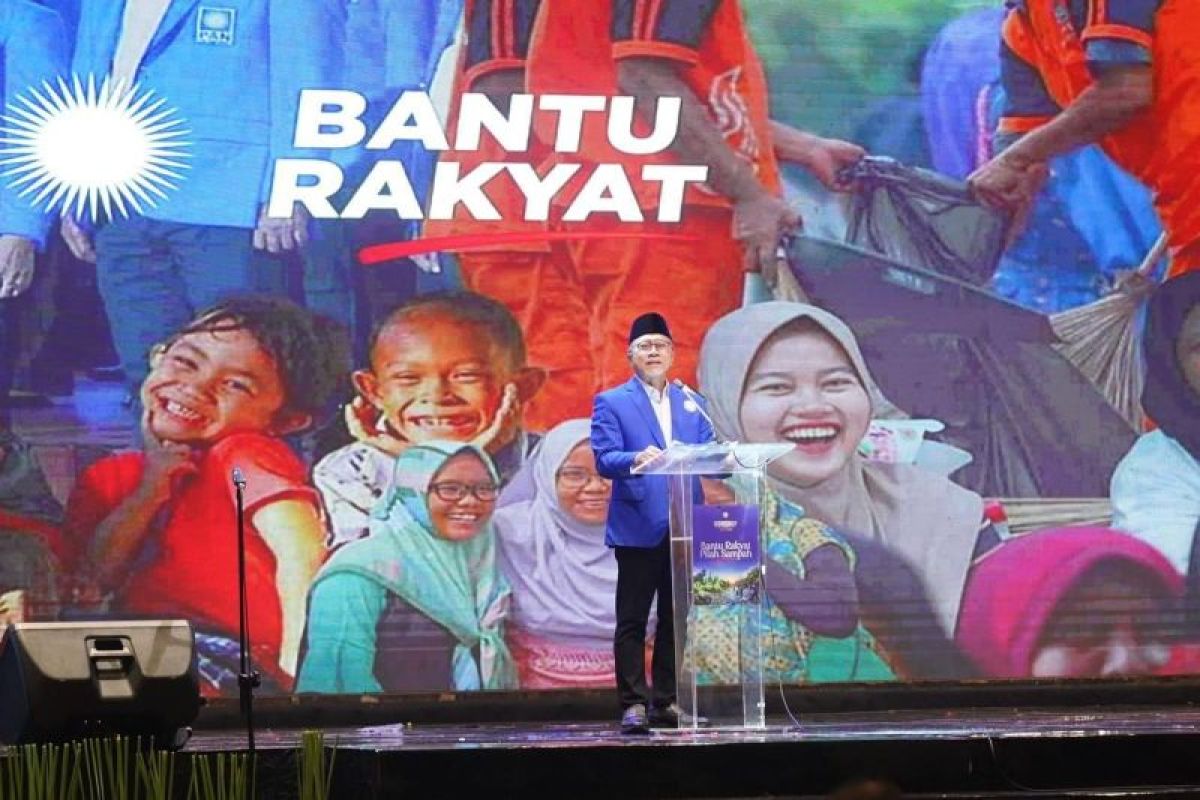
Jakarta (ANTARA) - A total of 1,492 members of provincial and regency/city-level DPRD from the National Mandate Party (PAN) faction across Indonesia participated in legislative training and learned about sustainable waste management from environmental officers and community groups in Jakarta.
PAN General Chairman Zulkifli Hasan (Zulhas) stated in Jakarta on Monday that this reality-based educational approach was chosen because PAN views the waste crisis as a structural issue that cannot be resolved through symbolic one-day actions. Therefore, he noted, the primary output of this forum is a blueprint for legislative work plans that must be implemented in each member’s respective region.
“PAN DPRD members are learning directly in the field so that they can return to their regions with clear tasks to address,” said Zulhas.
PAN organised the National Workshop on Sunday (7/6), reversing tradition by positioning environmental communities and sanitation workers as instructors, while legislators acted as students. According to Zulhas, PAN is taking this tactical step in response to the national environmental emergency, as recent data shows the Bantargebang waste processing site currently ranks second globally as the largest methane-producing site from the waste sector.
This fact, he said, confirms that the waste crisis is no longer merely a matter of urban cleanliness, but a real threat to public health. This move also serves as a form of full support from PAN for President Prabowo Subianto’s policy direction in the environmental sector, particularly in overseeing Presidential Regulation Number 109 of 2025.
“This regulation emphasises that waste must be transformed into a source of renewable energy,” said Zulhas.
Through their oversight function, he requested PAN cadres to monitor the implementation of modern waste management principles, including incentive and disincentive mechanisms for environmental preservation. He stated that the primary duty of council members is to ensure the presence of regulations and budget allocations that favour environmental management.
“Central government policies will only be effective if they are firmly translated into Regional Regulations (Perda) at the local level and internalised as a habit at the household level,” he added.