
PalmCo Urges Institutional Strengthening of Smallholders to Boost Sustainable Palm Oil Cultivation
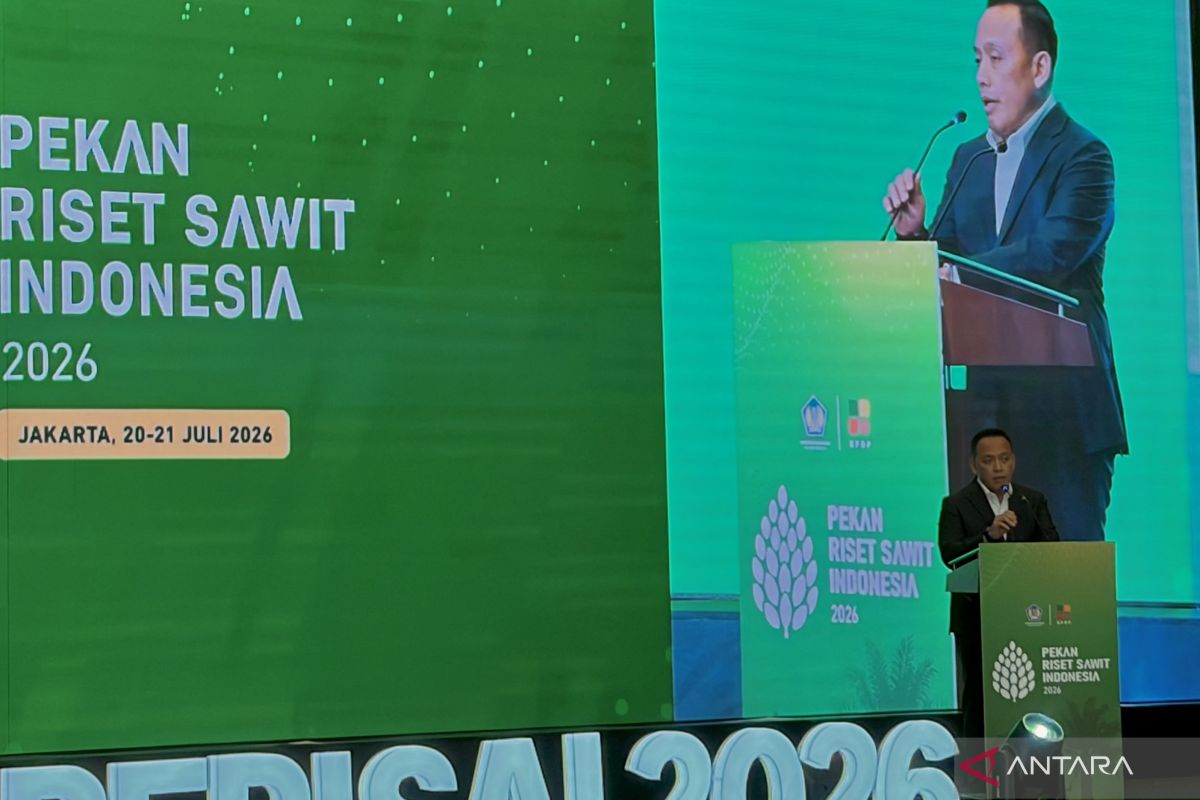
PT Perkebunan Nusantara IV (PalmCo) has assessed that strengthening the institutional capacity of oil palm smallholders is a key step towards accelerating the implementation of sustainable cultivation practices. President Director of PalmCo, Jatmiko Krisna Santosa, stated in Jakarta on Monday that he consistently advocates for farmer institutions, as they allow for more organised long-term processes such as replanting. He expressed hope that the People’s Palm Oil Replanting (PSR) programme could be structured more effectively through such institutions.
Jatmiko further explained that this measure is expected to overcome major obstacles within the smallholder pillar, including legal aspects and traceability, which are now demands of the international market. He cited the example of Malaysia, which has developed a digital traceability system down to the farmer level, supporting the European Union’s recognition of the Malaysian Sustainable Palm Oil (MSPO) certification. He noted that Malaysia already possesses a national accessibility platform covering farmers, collectors, and mills.
On the other hand, he mentioned that legal hurdles include overlapping rights and weak institutions, which hinder access to PSR, certification, and technical support. Another challenge is the difficulty in fulfilling all aspects of traceability and sustainability for smallholder land to enter the sustainable supply chain. Consequently, Jatmiko stressed the importance of policy harmonisation and the upstream palm oil ecosystem to increase productivity and support sustainable downstream processing.
Regarding the government’s role, he identified key areas for harmonisation, including the simplification of spatial planning and forest area status, legal certainty and land permits, reform of the fresh fruit bunch (FFB) pricing formula to be fairer for farmers, and the structuring of export levies to support upstream and downstream strengthening. He said the expected outcomes are business certainty, fair margin distribution, and accelerated upstream and downstream investment. From the farmers’ side, he encouraged harmonisation in capital protection and financing access, guaranteed access to superior certified seeds, technology transfer and cultivation assistance, as well as institutional strengthening, partnerships, and market certainty. He added that this is expected to lead to increased productivity, income, and competitiveness for smallholders.