
Palm Oil Waste to Replace LPG as BRIN and PalmCo Develop Bio-CBG
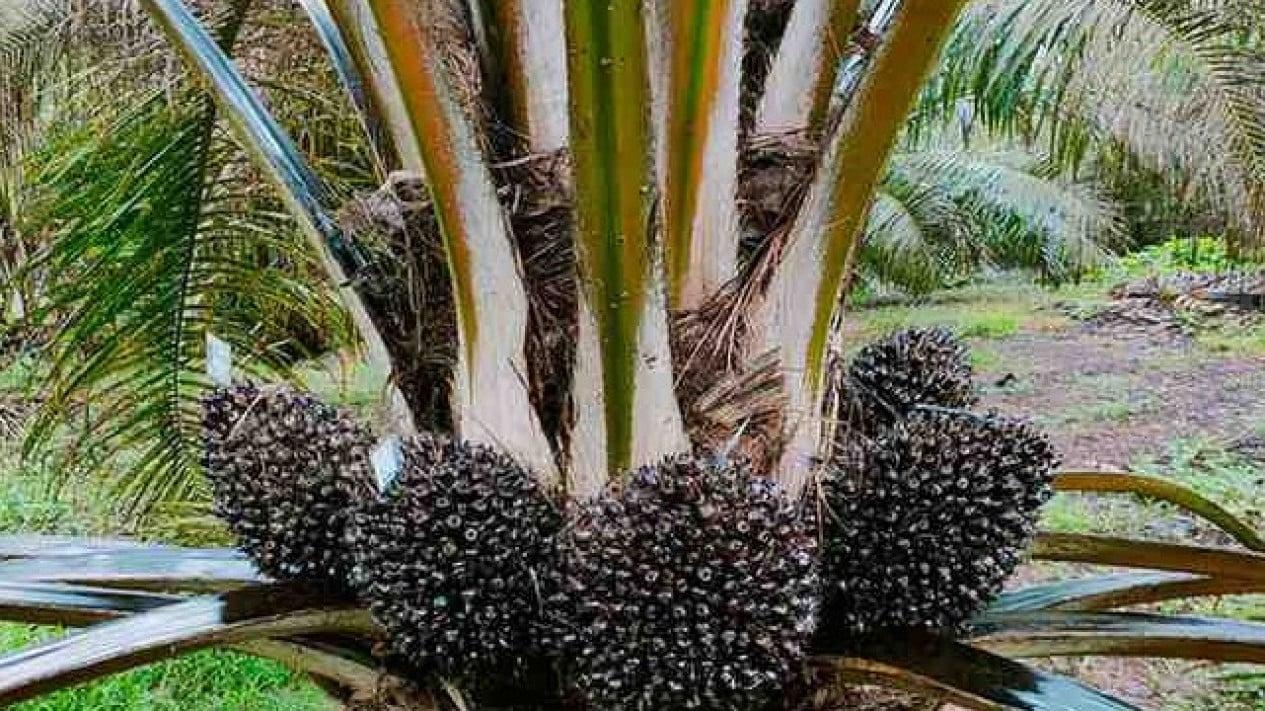
The National Research and Innovation Agency (BRIN), along with PTPN III Sub-Holding (Persero) and PTPN IV PalmCo, are developing Bio-Compressed Biomethane Gas (Bio-CBG) from palm oil waste as an alternative to liquefied petroleum gas (LPG).
Jatmiko K. Santosa, CEO of PTPN IV PalmCo, said that palm oil waste has traditionally been associated with environmental issues.
“The approach is now changing. Waste can instead become a new economic energy source while supporting national energy security,” Jatmiko stated on Thursday, 28 May 2026.
He added that efforts to find alternative energy sources to replace imported fossil fuels are increasingly focusing on the palm oil sector. Jatmiko said the company, in collaboration with BRIN, is finalising research on Bio-CBG, a biomethane gas derived from palm oil waste that matches the quality of compressed natural gas (CNG).
The energy produced from palm oil waste is projected to substitute imported LPG and strengthen the national renewable energy mix.
He said the development of Bio-CBG is part of the company’s long-term strategy to maximise the value of palm oil waste into high-value energy.
According to him, the BRIN joint project focuses on processing palm oil mill effluent (POME) and empty fruit bunch biomass into high-purity biomethane. The gas is then purified to meet natural gas specifications.
“Bio-CBG is essentially a ‘green twin’ of CNG. It serves the same function and can be used as an alternative to LPG or other fossil fuels,” Jatmiko said.
He added that the move aligns with government policies aimed at reducing energy import dependency. PalmCo is currently drafting a green energy roadmap based on palm oil, with one ongoing project being the construction of a Bio-CBG facility at the Tinjowan Palm Oil Mill in North Sumatra.
Partnering with other companies, PalmCo aims to build 17 Bio-CBG facilities by 2029. This year, the company plans to commence construction for eight new projects.
“We are doing this incrementally. The hope is that palm oil waste treatment facilities will not only generate electricity but also produce ready-to-use gas for industrial and transport sectors,” he said.