
Palm oil projected to meet 60 percent of global vegetable oil demand by 2050
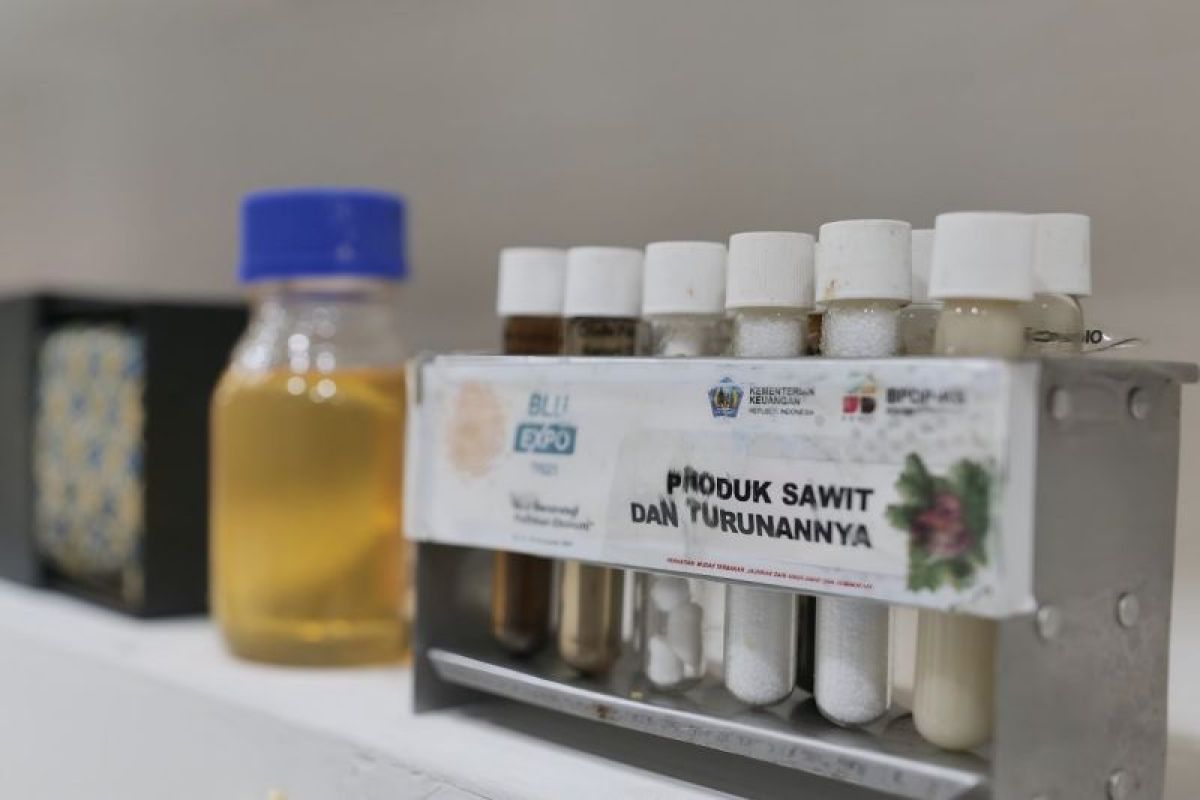
Palm oil is projected to contribute around 60 percent of global vegetable oil supply by 2050, giving Indonesia a strategic role in meeting that demand.
Tungkot Sipayung, founder and executive director of the Palm Oil Agribusiness Strategic Policy Institute (Paspi), said global vegetable oil demand is rising year on year alongside population growth, higher incomes and industrialisation.
“As the world population grows, palm oil consumption also increases. Towards 2050, the world population will reach more than 10 billion people, so global palm oil demand will also be larger,” he said in a statement in Jakarta on Tuesday.
By 2050, with the world population projected at around 10 billion, global vegetable oil demand is estimated at 300 million tonnes, an increase of nearly 1.4 times from the 2025 production level of 215.6 million tonnes.
Tungkot said vegetable oil is not only used for food but is increasingly used as a biomaterial, a substitute for petrochemicals, and an alternative energy source to replace fossil fuels.
He estimated that production capacity for non-palm vegetable oils such as soybean, rapeseed and sunflower oil will face limitations in the future due to productivity constraints and land availability.
“Therefore, meeting global vegetable oil demand will depend heavily on palm oil,” he said.
He explained that in 2025, soybean cultivation covers around 143.8 million hectares, contributing 32.8 percent of global vegetable oil production.
Rapeseed covers 43.8 million hectares with a 16.5 percent contribution, while sunflower covers around 29.5 million hectares with a 9.3 percent contribution.
Palm oil plantations cover only around 29 million hectares, relatively smaller than other major vegetable oil crops, yet contribute around 41.4 percent of global major vegetable oil production.
“It is estimated that by 2050 around 60 percent of global vegetable oil demand will come from palm oil,” he said.
Tungkot stressed that palm oil has several advantages in terms of productivity and sustainability compared with other major vegetable oil sources.
According to him, palm oil productivity can be eight to ten times higher. The potential to increase palm oil productivity remains wide open, by 50 to 100 percent from current levels, through improved plantation practices and technological innovation.
Meanwhile, the potential of other vegetable oils has nearly peaked, except for rapeseed or canola, which can still increase slightly although far below palm oil.
He explained that palm oil also has other advantages such as relatively stable supply throughout the year, competitive prices, and the involvement of around 42 percent smallholder farmers.
In addition, the palm oil industry involves millions of micro, small and medium enterprises along the supply chain from upstream to downstream. With competitive prices, the palm oil industry plays a major role in providing affordable vegetable oil for people around the world, including low-income groups in various countries.
“So palm oil is more sustainable economically, socially and ecologically than other vegetable oils,” he stressed.
Tungkot urged increased palm oil productivity to be made an important agenda, given that future global vegetable oil demand will depend increasingly on the commodity.
According to him, there are two main strategies for increasing palm oil productivity. First, overall productivity improvement through replanting using superior varieties accompanied by improved and innovative best plantation practices.
Second, partial productivity improvement on existing palm oil plantations through the application of good agricultural practices, cultivation and harvesting technology innovation, and improved processing efficiency at palm oil mills.
“The combination of these two productivity improvement strategies will lead to a doubling of palm oil productivity,” he said.
The government, through the Plantation Fund Management Agency (BPDP), has continued to encourage palm oil replanting through the Smallholder Palm Oil Replanting Programme (PSR). The programme is one of the keys to increasing productivity while maintaining the sustainability of the national palm oil industry.
“With such productivity improvements, Indonesia and other global palm oil producers can supply palm oil for the needs of the world community,” Tungkot said.
Source: jawawa.id (https://jawawa.id/newsitem/palm-oil-projected-to-meet-60-percent-of-global-vegetable-oil-demand-by-2050-1787640801)
Originally published by Antara (Indonesian) (https://www.antaranews.com/berita/5710156/paspi-sawit-potensial-penuhi-60-persen-minyak-nabati-dunia-2050), translated from Indonesian