
Palm Oil Prices Surge, Bringing Smiles to Entrepreneurs
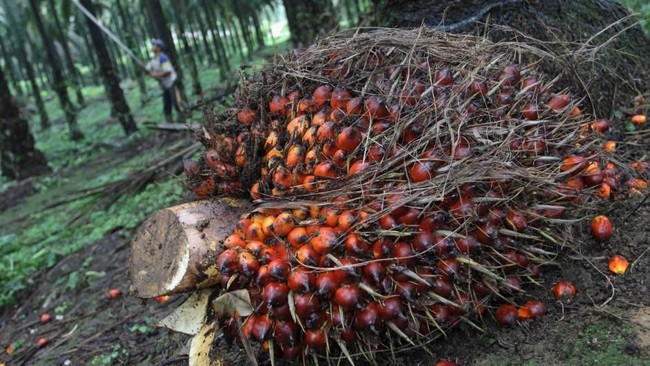
Global benchmark crude palm oil (CPO) prices rose during trading on Friday (28/8/2026), despite increasing inventories and slight pressures from the El Niño phenomenon.
According to Refinitiv data, the Malaysian benchmark CPO for the November 2026 contract closed up 1.62% at RM 4,894 per tonne on Friday. However, throughout the week, CPO prices corrected by 2.47% on a point-to-point basis.
CPO prices strengthened amidst rising Malaysian inventories, even as the market observes short-term supply levels shifting towards tighter conditions in 2027. The strengthening El Niño conditions, Indonesia’s B50 biodiesel mandate, and disruptions in competing vegetable oils have prompted analysts to raise their price forecasts.
CPO has risen by more than 15% since the beginning of the year, while the average Malaysian CPO price stood at RM 4,493 per tonne last month, a 9.3% increase compared to the previous year. For the first seven months of 2026, the average CPO price was RM 4,388 per tonne.
Several industry players see potential for further increases. SD Guthrie, one of the world’s largest palm oil producers, expects CPO to trade between RM 4,600 and RM 5,000 per tonne for the remainder of the year, potentially reaching as high as RM 5,200 per tonne in the first quarter of 2027 if El Niño conditions intensify.
“Previously, the market was trading on expectations [regarding the impact of El Niño on crops] and now the market is seeing some real signs. Many agree that CPO prices will be higher, especially with the potential for production declines up to 2027,” said Ivy Ng Lee Fang, Head of Malaysia Research and Regional Plantation Analyst at CIMB Securities, as quoted by The Edge Malaysia on Sunday (30/8/2026).
Several factors have kept CPO prices stable despite the buildup in stocks. Demand remains strong, while palm oil is becoming increasingly competitive compared to other vegetable oils.
India, the world’s largest importer of vegetable oils, increased its purchases last July, with palm oil imports surging 50% from the previous month to approximately 733,000 tonnes—the highest in five months—as oil processors replenished stocks ahead of the major festive season in the country from August to November 2026.
“El Niño is expected to strengthen, with NOAA (National Oceanic and Atmospheric Administration) forecasting an 81% probability of a very strong El Niño occurring between October and December 2026. Stronger El Niño weather conditions could reduce palm oil yields and production in Southeast Asia with a time lag, thereby posing a greater risk of supply decline from 2027 onwards,” explained Ng.
This weather phenomenon is expected to bring hotter and drier conditions to Southeast Asia. However, the impact on palm oil is unusual as drought does not always lead to an immediate drop in production. Stress on oil palm trees can affect fruit formation, meaning the most significant impact on yields may emerge more than a year after the weather event.
“The US Department of Agriculture has cut its forecast for Indonesian palm oil production for 2026/27 to 47.2 million tonnes amid expectations of drought conditions,” Ng clarified.
Additionally, higher crude oil prices have supported CPO by making palm-based biodiesel more economically attractive, thereby increasing demand from Indonesia.
Source: jawawa.id (https://jawawa.id/newsitem/palm-oil-prices-surge-bringing-smiles-to-entrepreneurs-1788058387)
Originally published by CNBC Indonesia (https://www.cnbcindonesia.com/research/20260830074444-128-763373/harga-minyak-sawit-terbang-pengusaha-makin-senyam-senyum), translated from Indonesian