
Palm Oil Price Transparency: APKASINDO Launches Dashboard for Farmers
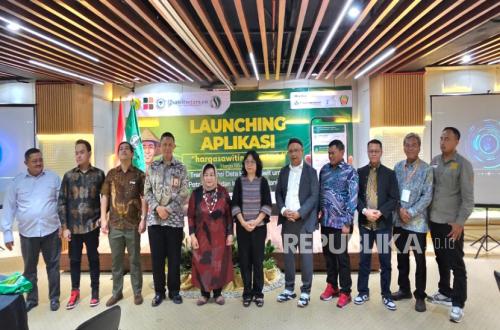
The Central Executive Board of the Indonesian Palm Oil Farmers Association (DPP APKASINDO) has introduced a digital dashboard, hargasawitindonesia.id, to broaden farmers’ access to information on fresh fruit bunch (TBS) and crude palm oil (CPO) prices. The platform is expected to strengthen the bargaining position of millions of oil palm farmers while encouraging more transparent trading practices.
For decades, independent oil palm farmers have faced limited access to price information. This has made it difficult for farmers to monitor price differences between regions as well as the gap between prices received by independent smallholders and plasma farmers.
DPP APKASINDO Chairman Gulat Medali Emas Manurung said information transparency is a prerequisite for achieving price fairness for farmers. He noted that around 42 percent of oil palm plantations in Indonesia are managed by farmers, making access to price information a strategic necessity.
“If all actors have the same information regarding CPO and TBS prices, the bargaining position of farmers will be much stronger,” Gulat said at the launch of hargasawitindonesia.id in Jakarta.
The platform, supported by the Plantation Fund Management Agency (BPDP), presents various information related to palm oil prices. Farmers can monitor TBS prices, national and international CPO prices, comparisons between independent and plasma farmer prices, and price disparities between regions.
The dashboard also displays CPO prices from Indonesia, Malaysia, and Rotterdam. The data is complemented by trend charts and analysis expected to help farmers understand market movements and make business decisions.
Gulat explained that data transparency is not intended to pit farmers’ interests against industry. He hopes all actors in the palm oil supply chain will have the same information reference, creating a healthier business ecosystem.
According to him, the benefits of palm oil industry developments, including the B50 biodiesel mandate programme, have not been fully reflected in the prices received by farmers. Therefore, data collected through the dashboard is expected to help identify the causes of price disparities in various regions.
The platform is also equipped with machine learning-based price analysis and projection features. The DPP APKASINDO IT team designed the application from a farmer’s perspective so that the available information can be accessed and understood more easily.
Before its official launch, hargasawitindonesia.id had recorded around five million visits in less than a month since its introduction. APKASINDO has also prepared a reporting feature for farmers who find significant differences between prices in the application and purchase prices at palm oil mills.
Support for the digitalisation of price information also came from the Directorate General of Plantations at the Ministry of Agriculture. Elvyrisma Nainggolan, Head of the Marketing Results Group at the Directorate General of Plantations, assessed that the dashboard’s presence aligns with the transformation of the plantation sector as it can accelerate information dissemination and expand the participation of independent farmers.
“We all hope that more farmer organisations will contribute by sending data so that the picture of prices in the field becomes more accurate,” said Elvyrisma.
APKASINDO hopes the platform can be further developed through collaboration with various data sources, including KPBN, ICDX, and international market references. Government support is also expected to encourage its use as part of the development of facilities and infrastructure for the People’s Palm Oil Replanting (PSR) programme.
For APKASINDO, hargasawitindonesia.id not only functions as a price information board but is also directed to become a palm oil data and analysis centre that can be utilised by farmers, academics, researchers, industry, and the government. Information transparency is expected to strengthen farmers’ position in the supply chain and encourage the creation of fairer palm oil prices.