
Palm Oil Land Unlikely to Expand, Replanting Is the Key
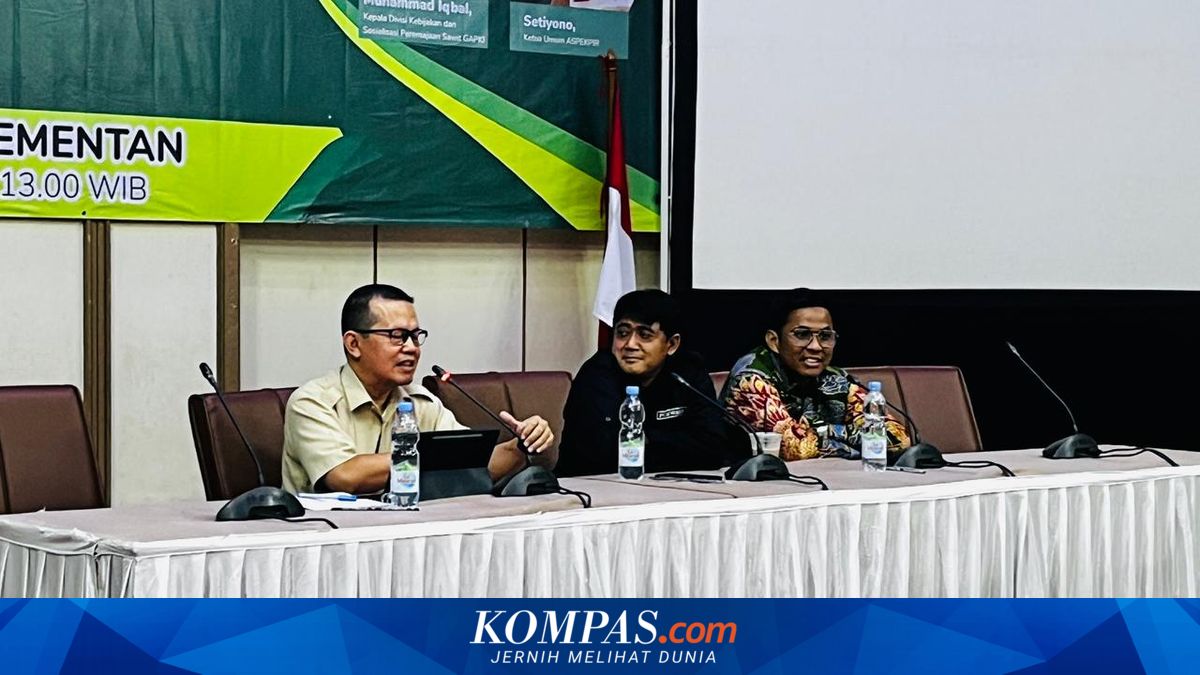
JAKARTA, KOMPAS.com - The Indonesian Ministry of Agriculture (Kementan) says the area of oil palm plantations is unlikely to grow further due to land constraints and international pressure. Director of Palm Trees and Other Palma Plants at Kementan, Iim Mucharam, says rakyat palm replanting (PSR) is the key to maintaining and increasing national palm productivity. He expressed this view at a discussion titled ‘Mandatory PSR: A Solution to Productivity Improvement’ organised by the Agricultural Journalists Forum (Forwatan) on Tuesday, 19 May 2026. ‘Talking about expansion is no longer possible because land is limited and there is international pressure and global issues. That’s why PSR is the key,’ Iim said at the Ministry Complex in Jakarta. Through PSR, farmers are encouraged to fell oil palm trees whose productivity has declined due to age. According to Iim, the productivity of palm plantations has been a concern of President Joko Widodo (Jokowi) since 2017. At that time Jokowi highlighted 14 million hectares of oil palm orchards, most of which had declining productivity. In response, the government subsequently launched PSR with a target of 180,000 hectares per year. However, that target was lowered to 150,000 hectares and then reduced further to 50,000 hectares as it was deemed more realistic. The Ministry notes that by 2025 the area of oil palm plantations in Indonesia reached 16.8 million hectares. Of that total, 51 percent is owned by private companies and 41 percent by smallholder plantations. Private companies are known to periodically rejuvenate oil palms whose productivity has declined. Recognising the vast extent of smallholder oil palm estates, Iim said national palm production could rise if PSR is implemented. ‘Imagine 41 percent of 16 million hectares—that is a huge potential,’ Iim said. Nevertheless, Iim acknowledged that the PSR programme’s implementation remains insufficient. Of the 423,305 hectares of plantations recommended as PSR targets, only 316,359 hectares have been felled and subjected to the chipping process (tree trunk shredding). Meanwhile, new planting reached 295,691 hectares.