
Palm Oil Industry Affirms Commitment to Realising Green Economy
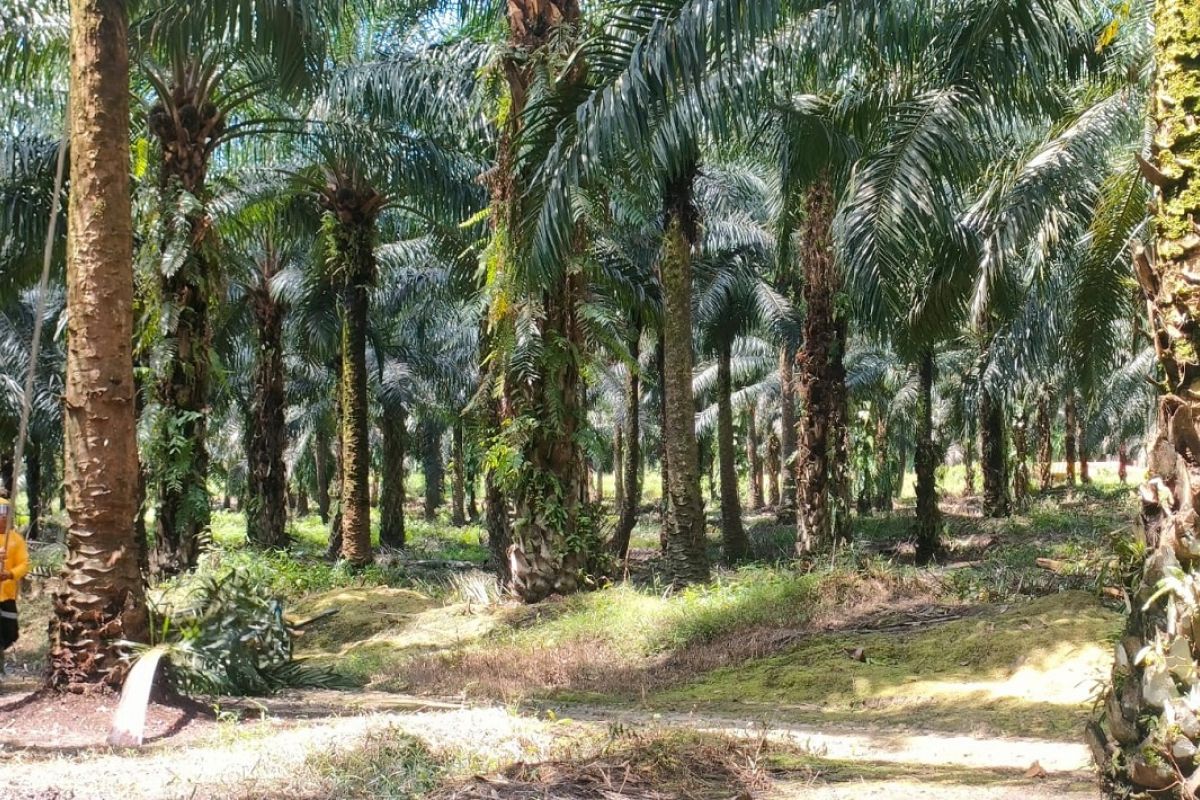
Jakarta (ANTARA) - The palm oil industry has reaffirmed its commitment to realising a green economy by actively enhancing its role in economic growth, environmental conservation, and social contributions.
Edi Suhardi, Chairman of the Positive Campaign Division of the Indonesian Palm Oil Entrepreneurs Association (Gapki), stated in Jakarta on Friday that in efforts to conserve the environment, the palm oil industry has a strong commitment to implementing sustainability principles.
“Palm oil plantations have the capability as a carbon sink, and the palm oil industry is able to process waste into value-added and competitive products,” he said.
These aspects demonstrate that the palm oil industry aligns with the principles of a green economy, namely inclusive economic growth, improved community welfare and social justice, as well as environmental preservation including carbon emission reductions.
“The palm oil industry has established standards, principles, and sustainability criteria through the Roundtable on Sustainable Palm Oil (RSPO) and Indonesian Sustainable Palm Oil (ISPO). The palm oil industry must comply and adhere to sustainability standards,” he said in his statement.
Edi conveyed that the palm oil industry must follow very strict sustainability standards. The implementation of these sustainability standards affects market acceptance, particularly from advanced countries.
“This palm oil industry receives encouragement for sustainable practices from the government through ISPO and from the market through RSPO. We have a commitment to no deforestation,” he said.
According to him, the palm oil industry has a significant contribution to the national economy and provides positive impacts on social aspects in Indonesia.
“In addition to economic benefits, this palm oil industry provides benefits in the socio-economic field by creating jobs both directly and indirectly for 17 million people,” he said.
Edi Suhardi explained that the palm oil industry also provides a multiplier effect or positive multiplier impact on the regional economy and contributes to improving the welfare of farmers, MSME actors, to communities around plantation areas, as well as contributing to infrastructure development in plantation locations which are generally remote areas.
“If we talk about palm oil plantations, usually the locations of these palm oil areas are in very isolated regions. Companies must build roads and infrastructure to open access to the plantation locations. In addition, palm oil companies build supporting facilities for the community,” he stated.
He expressed his confidence that the palm oil industry still has potential to contribute even more significantly in supporting the development of a green economy in the country.
Therefore, he hopes for increasingly close synergy between industry players and the Plantation Fund Management Agency (BPDP) to encourage the development of the palm oil sector both in terms of productivity and socio-economic impacts for Indonesia.
“The palm oil industry has opened opportunities both for regional and national development. With the presence of the palm oil industry, communities are increasingly developing, poverty is reducing, and community welfare levels are improving,” he said.