
Palm Oil Exports in Pangkalan Bun, Central Kalimantan, Contribute Rp1.7 Trillion to State Revenue
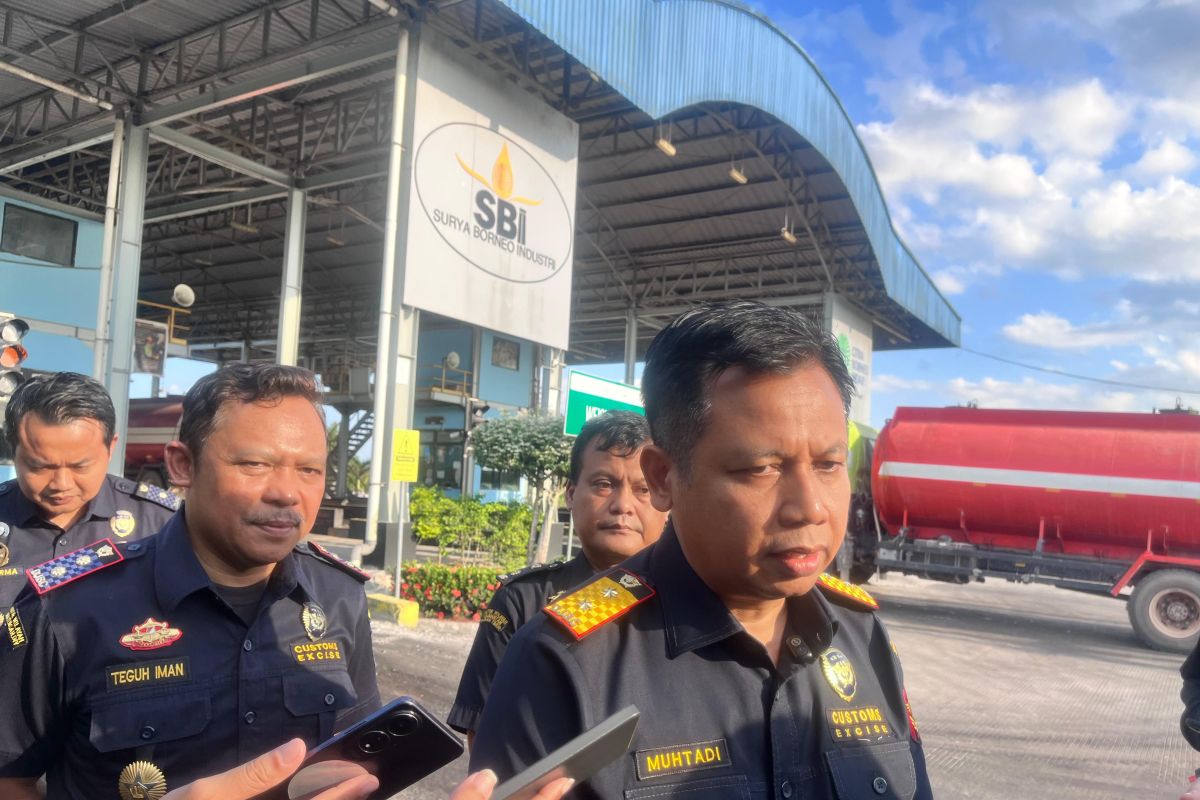
The Head of the Regional Office of the Directorate General of Customs and Excise (DJBC) for South Kalimantan, Muhtadi, stated that Customs Pangkalan Bun has processed 157 export declarations (PEB), resulting in export duties of Rp882.37 billion and palm oil funds of Rp861.58 billion. This brings the total state revenue related to palm oil exports to nearly Rp1.7 trillion.
Muhtadi emphasised a commitment to supporting domestic industries, particularly the palm oil sector and its derivatives, to foster growth through increased added value and global market competitiveness. One method of support includes providing bonded zone facilities and effective customs services, while maintaining oversight and regulatory compliance. The bonded zone facility is a government-provided customs incentive designed to support export-oriented industries through fiscal and procedural ease, including import duty suspensions, excise exemptions, and tax exemptions, alongside simplified licensing.
Within the jurisdiction of the South Kalimantan Customs Regional Office, PT Citra Borneo Utama Tbk is one of the companies utilising these bonded zone facilities. The company, which specialises in processing and exporting palm oil and its derivatives, has been developing downstream products, such as ‘Minyakita’ and ‘Hanuc’ cooking oils, since being designated as a bonded zone in 2018. For PT Citra Borneo Utama, these facilities have impacted performance, with the company recording export values exceeding Rp3.03 trillion and employing 260 workers between January and June 2024. The facility has also improved operational cost efficiency by approximately 9.91%.
However, Muhtadi noted several export challenges in Pangkalan Bun. Exports occur via two routes: bulk vessels and containers. For bulk exports, mother vessels receive cargo from barges at sea-based ship-to-ship (STS) points. The distance to the STS point is approximately 40 miles, requiring a 12-hour transit, which inherently increases logistics costs as mother vessels cannot dock directly at Pangkalan Bun’s port. Additionally, containerised exports face difficulties regarding the availability of suitable containers. Another challenge is the lack of direct shipping routes to major export destinations like India, as vessels must first transit through Surabaya, East Java, which impacts delivery speed and efficiency.