
Palm Oil Entrepreneurs Propose Commodity Exchange Model to Prevent Monopoly by State-Owned Exporter PT DSI
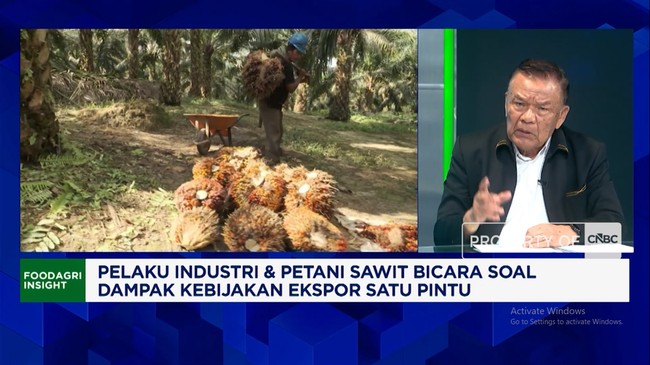
On 1 June 2026, the administration of President Prabowo will implement a policy mandating the export of leading natural resource products—namely coal, palm oil, and ferroalloy—through a special state-owned enterprise, PT Danantara Sumberdaya Indonesia (PT DSI). This single-door export policy has elicited mixed reactions from the market, including a weakening of Fresh Fruit Bunch (FFB) prices in several regions. Sahat Sinaga, Executive Director of the Indonesian Vegetable Oil Industry Association (GIMNI), stated that the drop in FFB prices is linked to confusion and a lack of understanding, which has raised fears of disrupted trade volumes, causing smallholder palm oil farmers to delay purchases and consequently driving down prices. GIMNI believes this situation is beginning to improve and that businesses fully support the export policy through PT DSI. However, entrepreneurs are urging that this special state-owned enterprise not operate as a monopoly; instead, they propose that PT DSI take the form of a commodity exchange to attract investment and enable better supervision. Sabarudin, Chairman of the Palm Oil Farmers Union (SPKS), described the shock caused by the policy as a response to concerns over the sustainability of production and the absorption of farmers’ FFB. SPKS notes there are 2 to 3 million palm oil farmers and calls for public dissemination regarding policies affecting them. Over the past two weeks, the single-door export issue has caused losses of Rp 1 million to Rp 2 million per farmer, reaching a total of approximately Rp 100 billion per day.