
Palm Oil Entrepreneurs Criticise Policy Uncertainty Surrounding Danantara Export Role
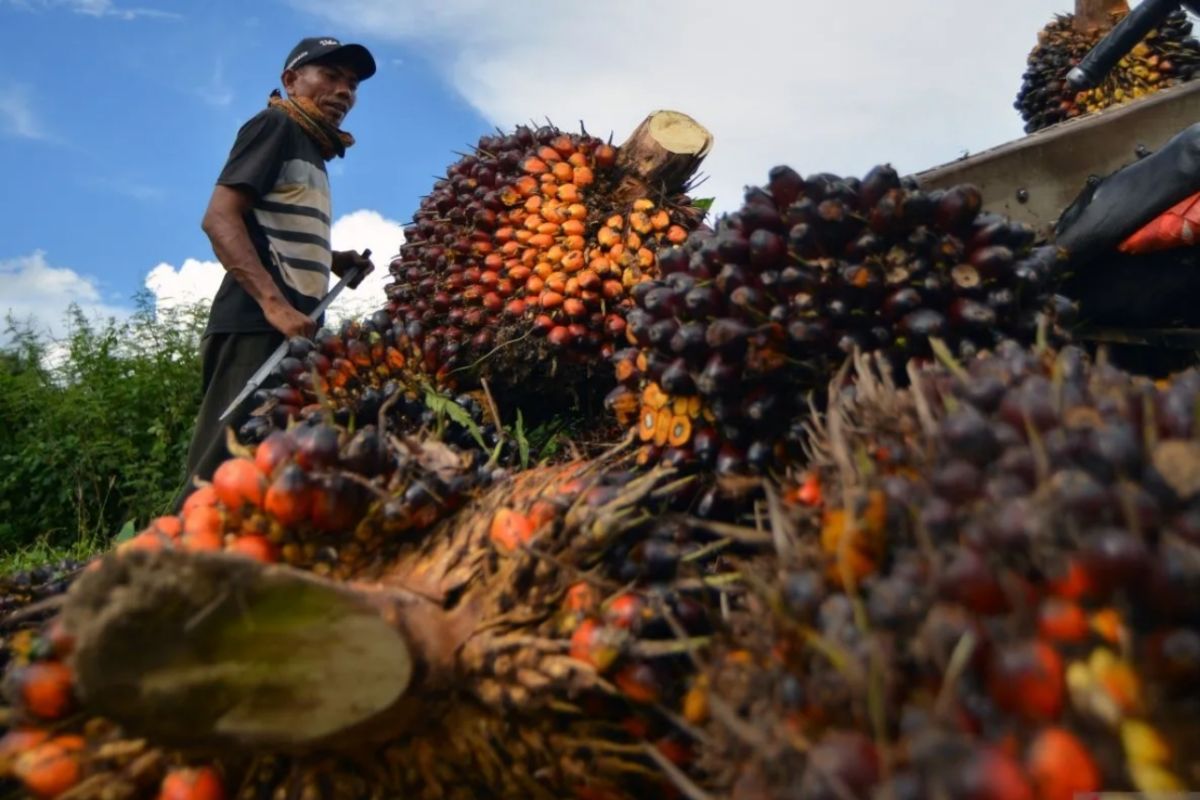
The debate surrounding the establishment of PT Danantara Sumber Daya Indonesia (DSI) has resurfaced. This time, criticism comes from the Chairman of the Indonesian Palm Shell Entrepreneurs Association (Apcasi), Dikki Akhmar, who believes the policy reflects the government’s inconsistency in formulating export governance for natural resources.
Dikki stated that the change in DSI’s direction, from an initial plan perceived to involve taking over export activities to merely acting as a governance supervisor, demonstrates weak planning from the outset. According to him, this situation could potentially create uncertainty among business actors and investors.
“The change in narrative occurring in such a short time shows that this policy did not have a truly mature concept. The impact is not only on the business world but also on market perceptions regarding the consistency of government policy,” he said.
In his view, Dikki linked the DSI polemic to three widely known Javanese leadership principles: ojo dumeh (do not abuse power), ojo kesusu (do not be hasty), and ojo kagetan (do not panic easily). He assessed that the initial idea positioning DSI as an entity that could play a major role in export activities reflected an overly interventionist approach to the market.
“When the idea emerged that natural resource exports must go through a single institution, business actors naturally questioned its urgency. Moreover, the export supervisory function is actually already held by several government institutions,” he said.
Dikki also believes the government was too quick to float the discourse on forming DSI without adequate socialisation and study. According to him, this step triggered a negative reaction from the market, forcing the government to subsequently adjust the initial concept that had been presented to the public.
“If the concept from the beginning was only to improve governance and prevent practices like under-invoicing or transfer pricing, that should have been clearly explained from the start. That way, it would not have caused speculation among business actors,” he said.
Furthermore, Dikki cautioned that a rapid change in policy direction could affect investor confidence. He noted that regulatory certainty is one of the main factors investors consider before committing capital to a country.
“When policies change quickly, the market reads uncertainty. In such a situation, investors tend to hold back on investment decisions until the policy direction is truly clear,” he stated.
Apcasi is therefore urging the government to evaluate the existence of DSI if its function will ultimately only focus on supervising export governance. “If the goal is to strengthen supervision, the government can optimise the functions of existing institutions through stronger audits, supervision, and law enforcement. There should be no overlapping authority that only adds layers of bureaucracy,” Dikki asserted.
In response to the various criticisms, the government has emphasised that DSI was not formed to take over export activities. Previously, Danantara Indonesia Chief Operating Officer Dony Oskaria stated that DSI would focus on efforts to improve natural resource trade governance and prevent practices that could harm the state, such as transfer pricing and under-invoicing. According to Dony, the government respects existing contracts and has no agenda to disrupt ongoing trade mechanisms. Nevertheless, a number of business actors feel the government still needs to provide a more comprehensive explanation regarding DSI’s role, authority, and policy direction to avoid creating uncertainty in the market.
Source: jawawa.id (https://jawawa.id/newsitem/palm-oil-entrepreneurs-criticise-policy-uncertainty-surrounding-danantara-export-role-1781517043)
Originally published by Media Indonesia (https://mediaindonesia.com/ekonomi/900661/kritik-pengusaha-sawit-cerminkan-ketidakpastian-kebijakan-ekspor), translated from Indonesian