
Palm Oil-Based Bioenergy Development Holds Promising Prospects, Says Aspebindo
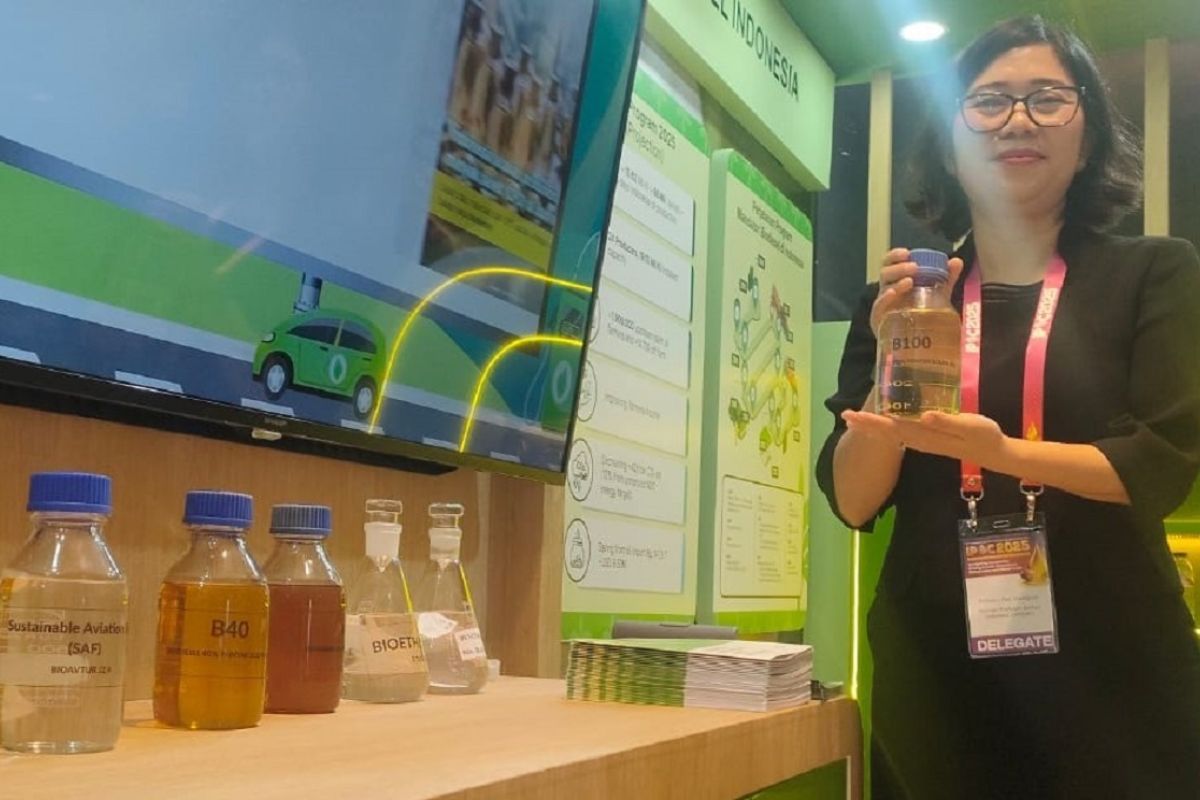
Jakarta (ANTARA) - The Indonesian Energy, Mineral and Coal Suppliers Association (Aspebindo) has stated that the development of palm oil-based bioenergy holds highly promising prospects.
Beyond the abundant availability of raw materials, according to Aspebindo Deputy Chairperson M Hadi Nainggolan, the use of palm oil is supported by sustainability considerations, as the crop is renewable and its production remains relatively stable throughout the year.
“Palm oil will become a source of bioenergy strength, supported by 16.8 million hectares of oil palm plantations,” he said in a statement issued in Jakarta on Sunday.
According to him, every part of the oil palm plant has the potential to be utilised in bioenergy development — for instance, palm oil or crude palm oil (CPO) as a biodiesel feedstock, while palm biomass such as empty fruit bunches, shells and palm trunks can serve as renewable energy sources.
At present, he continued, Indonesia’s oil palm plantations cover 16.8 million hectares, with a potential biomass production of 272 million tonnes per year.
“So our palm oil can become a pillar of national energy strength. Indonesia could become the number one country in the world producing bio-based energy,” he said.
Hadi added that the development of palm oil-based bioenergy would have a positive impact on Indonesia by reducing dependence on fossil fuel imports, cutting greenhouse gas emissions, mitigating global warming, and improving the national oil and gas trade balance.
According to data from the Ministry of Energy and Mineral Resources, the biodiesel programme implemented between 2015 and 2025 has generated foreign exchange savings of Rp722.9 trillion and created added value of Rp114.7 trillion through the processing of CPO into biodiesel.
In addition, the programme has supported employment for up to 10.9 million people in the palm oil sector and contributed to a reduction in greenhouse gas emissions of 228.41 million tonnes of CO2.
One of the efforts to optimise palm oil’s potential in bioenergy development has been undertaken by the Palm Oil Fund Management Agency (BPDP) through the Indonesian Palm Oil Research Week (PERISAI) programme.
The programme has encouraged the emergence of various research projects and innovations that create added value, including in the field of renewable energy.
Bioenergy innovations are seen as demonstrating that palm oil has significant potential as a more environmentally friendly future energy feedstock, while also enhancing the value of the national palm oil commodity.
Tungkot Sipayung, Founder and Executive Director of the Palm Oil Agribusiness Strategic Policy Institute (PASPI), said the development of palm oil-based bioenergy would deliver various positive impacts economically, socially and environmentally.
Diversifying palm oil use into bioenergy will broaden the market for the fresh fruit bunches (FFB) produced by smallholders, so that they no longer depend solely on demand from the cooking oil industry.
He revealed that Indonesia’s palm oil-based bioenergy market has now surpassed the cooking oil market, contributing to price stability for fresh fruit bunches at the farm level and thereby boosting farmers’ incomes.
Tungkot considers the development of palm oil-based bioenergy to be part of the solution in confronting the challenges of global warming and climate change.
According to him, oil palm plants are able to absorb carbon from the atmosphere through photosynthesis, thereby contributing to reducing carbon emission concentrations.
Furthermore, palm-based bioenergy can replace fossil fuels — the world’s largest contributor to emissions — so that overall it can drastically reduce global emissions.