
Palestine Condemns Construction of 2,162 Israeli Settlement Units in West Bank
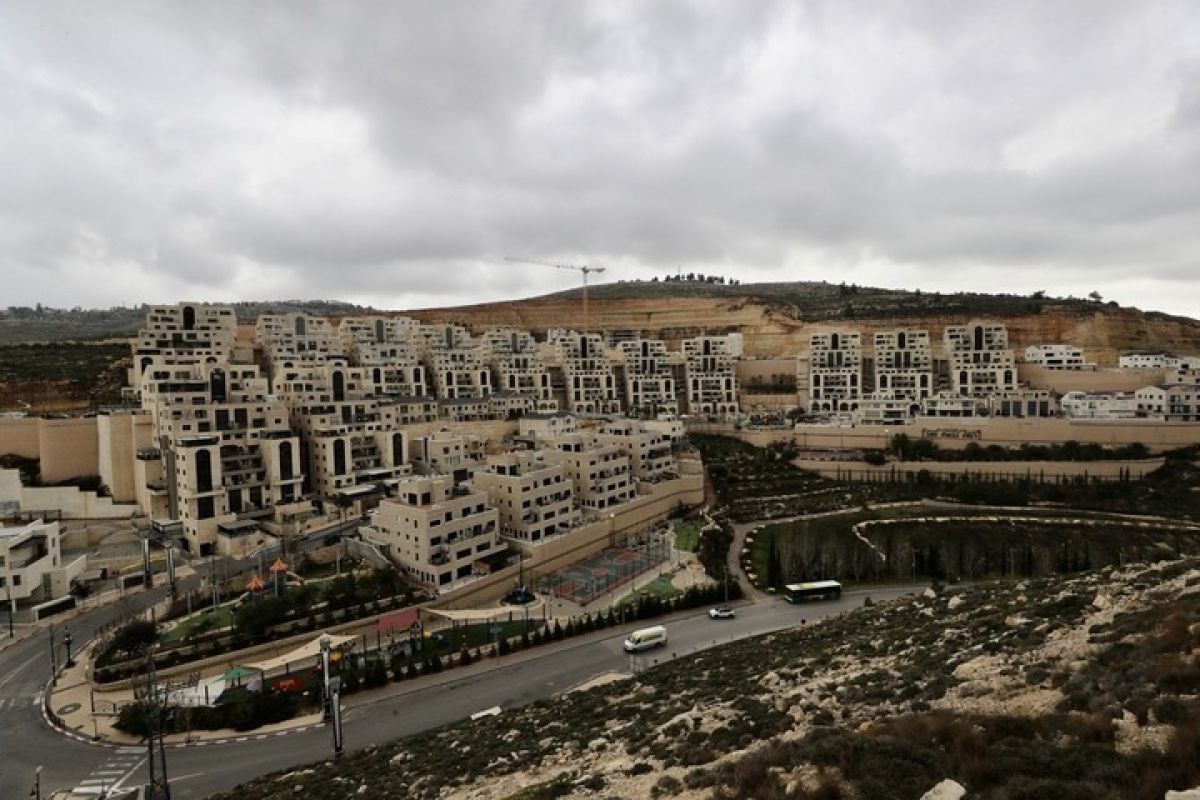
Ramallah (ANTARA) - The Palestinian Presidency on Wednesday (3/6) condemned the approval by Israeli authorities for the construction of 2,162 new settlement units in the West Bank. In a statement published by the official Palestinian news agency, WAFA, the presidency expressed that Israel’s approval of these new settlement units constitutes a blatant challenge to international law and UN resolutions, particularly UN Security Council Resolution 2334, which asserts that such settlements are illegal throughout the occupied Palestinian territories, including East Jerusalem.
The presidency added that the approval is invalid and will not grant legitimacy to anyone, further stating that the Israeli authorities are responsible for the serious consequences of this provocative policy, which threatens to drive the region towards further cycles of violence and escalation. The presidency called upon the United States government to intervene immediately in Israel’s actions if it truly desires the achievement of security and stability in the region and the wider world.
Israeli media reported on Wednesday that the High Planning Council of the Civil Administration, a department under the Israeli Ministry of Defence, approved the construction of 2,162 settlement housing units in the West Bank. Israel seized the West Bank during the 1967 war and subsequently established settlements there, a move not recognised by the international community. More than 700,000 Israeli settlers live in settlements in the West Bank, including East Jerusalem, which contravenes international law, while approximately 3.3 million Palestinians also inhabit the same area, according to UN reports in 2025.
Source: jawawa.id (https://jawawa.id/newsitem/palestine-condemns-construction-of-2-162-israeli-settlement-units-in-west-bank-1780821884)
Originally published by Antara (Indonesian) (https://www.antaranews.com/berita/5595061/palestina-kecam-pembangunan-2162-unit-permukiman-israel-di-tepi-barat), translated from Indonesian