
Palembang City Government Optimises Climate Village Programme
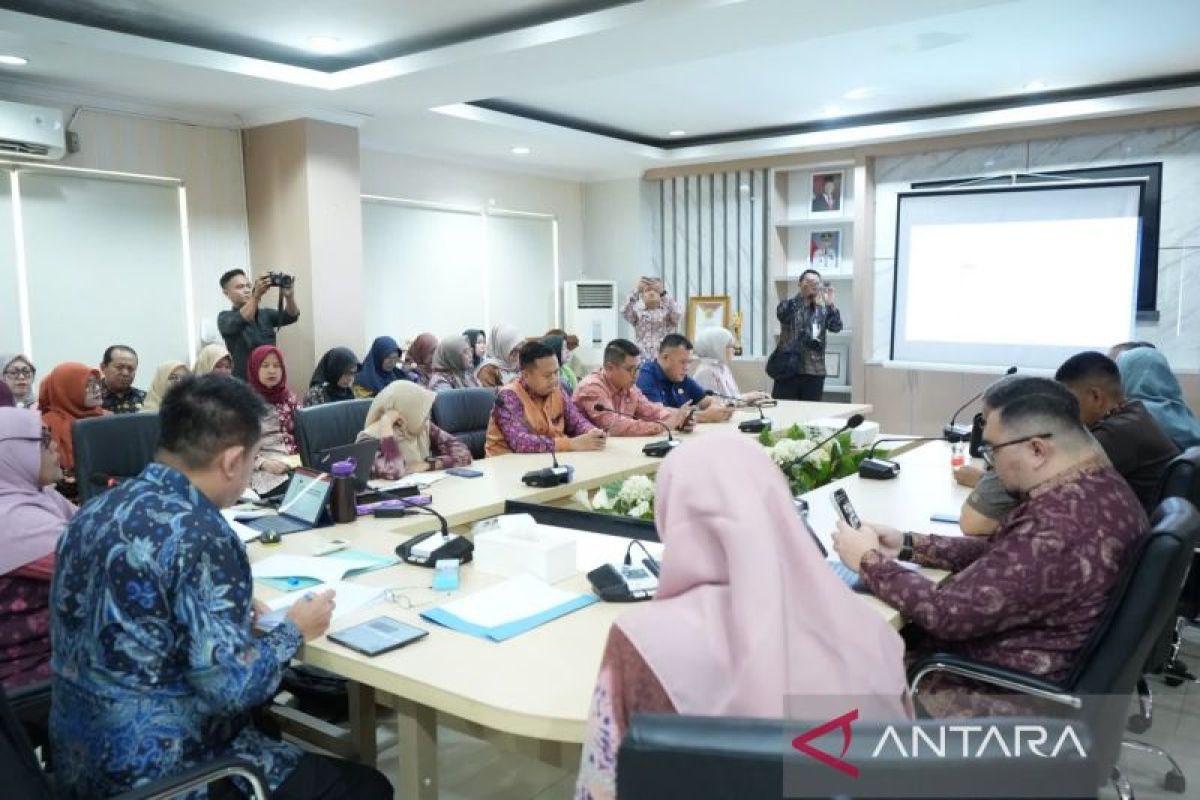
The Palembang City Government in South Sumatra is optimising the implementation of the Climate Village Programme (Proklim) as an effort to strengthen community-based climate change adaptation and mitigation. Assistant II for Economic and Development Affairs at the Palembang Regional Secretariat, Isnaini Madani, stated on Thursday that the administration is currently evaluating the programme’s progress while formulating strategies to accelerate the formation of new villages and enhance the quality of existing Proklim sites. According to data from the Palembang Environmental Agency, 143 Proklim locations have been established across the city between 2015 and 2025. Proklim is a national programme from the Ministry of Environment and Forestry that recognises communities actively protecting the environment. Our target is for every urban ward to have at least one Proklim, Isnaini said. Evaluation results indicate that some Proklim locations have experienced a decline in activity after their formation, influenced by budget constraints and suboptimal programme maintenance at the community level. Therefore, the Palembang city government is preparing two main strategies: extensification and intensification. Intensification is aimed at elevating the status of Proklim from Pratama and Madya categories to Utama and ultimately Lestari. The increase in Proklim status is determined by tangible community actions, ranging from water conservation, rainwater harvesting, and tree planting to waste management and independent composting. The more active the community, the greater the opportunity to achieve a higher predicate, he stated. As a follow-up, the Palembang city government has instructed all district and ward heads to conduct re-registration and propose new Proklim locations as well as sites with the potential to advance in class. In addition to strengthening community empowerment, the city government is also beginning to align climate change mitigation policies through spatial planning and building permit regulations. We urge the Public Works and Spatial Planning Agency to make the provision of biopore absorption holes a requirement, especially for commercial buildings such as hotels and factories. This is part of the effort to build a more environmentally friendly city while reducing the potential for waterlogging, Isnaini said.