
Palangka Raya Education Office Extends Remote Learning amid Haze from Forest and Land Fires
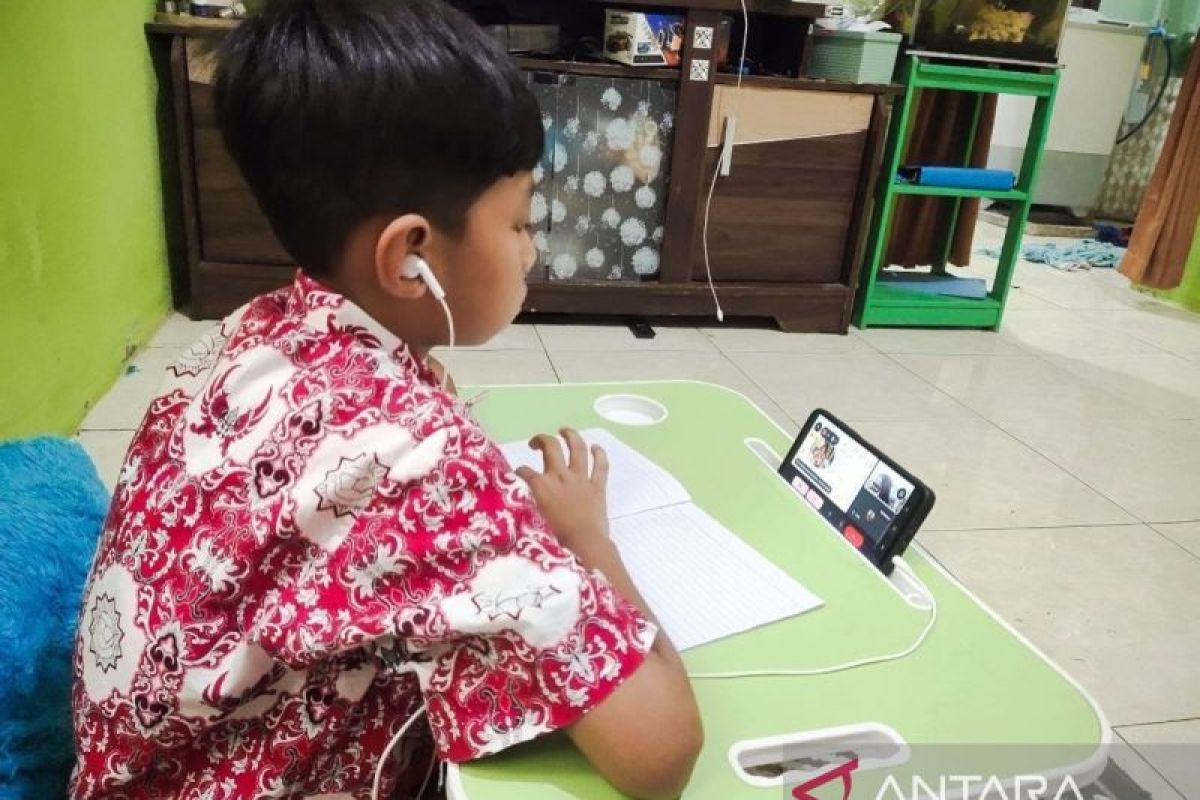
Palangka Raya (ANTARA) – The Palangka Raya City Education Office has extended distance learning for pupils in early-years education, primary schools and junior secondary schools from 15 to 17 October 2026, due to smoke haze from forest and land fires.
“The aim is to protect pupils’ health while air quality remains in the hazardous category,” said Aprae Vico Ranan, secretary of the Palangka Raya City Education Office, in Palangka Raya, Central Kalimantan, on Wednesday.
He explained that the policy was based on monitoring of the Air Pollution Standard Index (ISPU) from 11 to 14 October 2026, which showed that local air quality had not improved.
“The extension of distance learning was decided after ISPU monitoring from 11 to 14 October 2026 showed that air quality in the area remained in the hazardous category,” he said.
According to monitoring data from the Ministry of Environment reported on Tuesday (13 October), the ISPU reading at the Palangka Raya station in Jekan Raya reached 4,055 at 1.17 pm Western Indonesian Time, with PM2.5 as the main pollutant. A report on Wednesday (14 October) also showed high PM2.5 pollution, although measurements may vary depending on the time and monitoring source.
The impact of the haze was also visible on several roads, including Jalan Mahir Mahar and the Trans-Kalimantan route. On Tuesday (13 October), drivers’ visibility at several points was reported to be only 50–100 metres. The conditions require extra caution from road users, as limited visibility can increase the risk of accidents, particularly for drivers travelling through the dense haze.
He said these conditions were the main reason for temporarily restricting in-person learning, in order to reduce pupils’ exposure to the haze. Distance learning is expected to allow lessons to continue without compromising pupils’ health and safety.
Vico asked parents to supervise their children’s activities while they study at home, including ensuring they follow the school’s instructions.
He added that the distance-learning policy followed up on a letter from the head of the Palangka Raya City Education Office, Number 100.3.4.4/3952/Disdik.Umpeg/IX/2026, dated 9 September 2026.
The Palangka Raya City Education Office will continue to review the learning policy in line with changes in air quality and environmental monitoring results. Any further adjustments will take current conditions into account, with the protection of pupils’ health remaining the priority.
“Further adjustments will take environmental monitoring results into account, while continuing to prioritise pupils’ health and safety,” Vico said.
Meanwhile, Dika, a parent of a primary school pupil in the city, welcomed the extension of distance learning. The mother of two said the policy helped protect children from smoke exposure that could harm their health, particularly their respiratory systems.
Distance learning still presents challenges, including internet connectivity and limited access to devices. However, parents considered these issues manageable compared with the risk of children being exposed to haze while outside the home.
“I hope the forest and land fires and the haze end soon so that learning can return to normal. The children should be able to go back to school, play and interact with their friends in safe and comfortable conditions,” she said.