
Pakistan confident US-Iran peace deal imminent
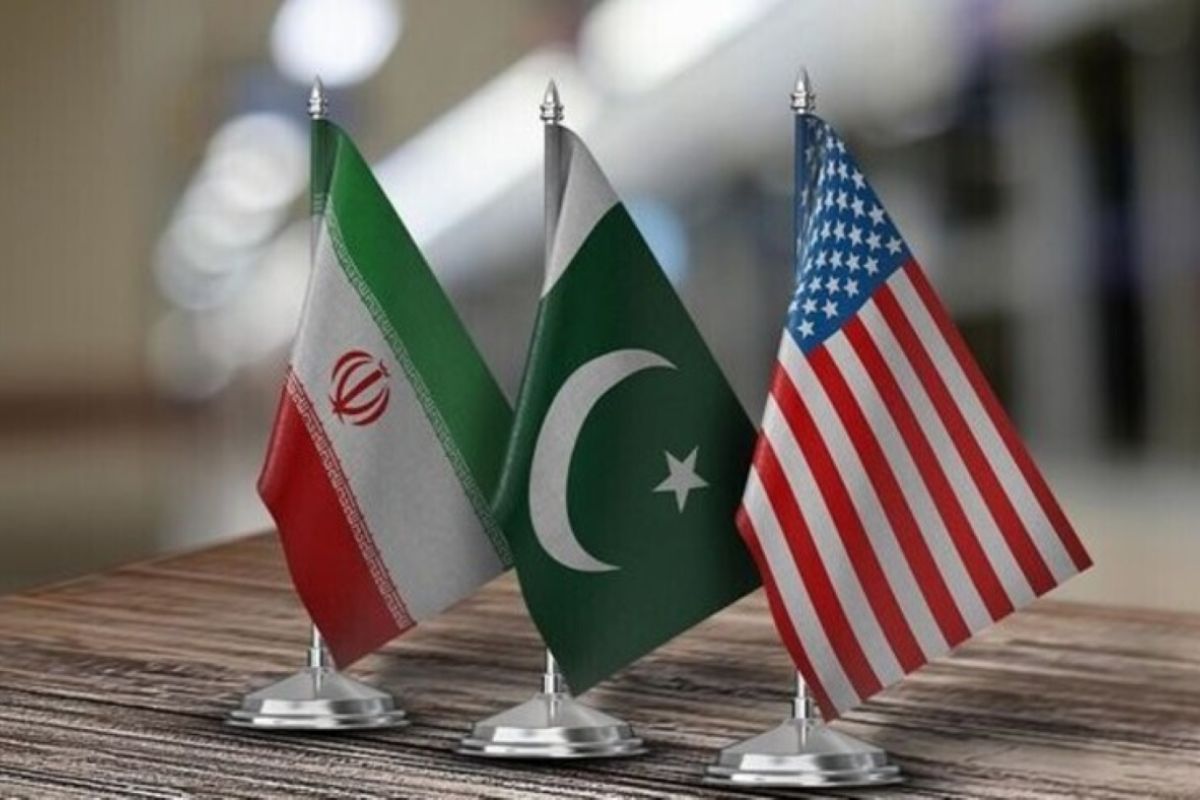
Istanbul (ANTARA) — Pakistan is confident the US and Iran will sign a temporary agreement to end the conflict as early as this week, according to Pakistani government sources familiar with the matter who spoke to Anadolu on Monday. ‘The agreement is expected to be signed any day this week, as both sides only differ on some operational issues,’ a Pakistani government source said. ‘This is not a deadlock,’ the source added, noting that both parties have largely agreed on a ‘one-page’ draft agreement while continuing discussions on operational matters related to reopening the Strait of Hormuz and lifting US maritime blockades on Iranian ports. According to the source, the remaining differences concern implementation, not broader political principles. ‘The main dispute currently concerns the presence of US military forces near Iranian territorial waters even after the blockade ends,’ one source said. The source added that Washington seeks to maintain a military presence in the region, while ‘Tehran wants a return to pre-war conditions.’ Pakistani sources said Pakistan, along with regional mediators, is seeking a compromise formula to bridge the remaining differences. Goodwill and Commitment from All Parties Earlier on Monday, Iranian Foreign Ministry spokesperson Esmaeil Baqaei said Tehran and Washington had reached conclusions on ‘most’ issues discussed but cautioned against assuming an agreement was imminent. ‘It is true that we have concluded on most of the issues discussed,’ Baqaei told reporters in Tehran. ‘However, no one can claim that this means the agreement will be signed imminently,’ he added. US Secretary of State Marco Rubio also stated on Monday that developments in the talks were likely in the near future. ‘Work is ongoing. We think there might be news last night, perhaps today…’ Rubio told reporters in New Delhi. Pakistani sources said both sides would likely reach a temporary agreement ‘sooner or later’, but warned that maintaining it could prove far more difficult. They said the second phase of negotiations would likely address more sensitive and technically complex issues, including Iran’s nuclear programme, management of enriched uranium stockpiles, and long-term arrangements for the Strait of Hormuz. The source noted that reaching an agreement on ‘very complex’ issues such as the nuclear programme would not be ‘easy’. They added that mediators had proposed several potential frameworks for addressing the nuclear issue, including a model similar to the Joint Comprehensive Plan of Action (JCPOA) and third-party monitoring mechanisms involving the International Atomic Energy Agency (IAEA). ‘Resolving such complex issues always requires goodwill and commitment from all parties,’ one source said. Regional tensions escalated after the US and Israel launched joint strikes on Iran in February. Tehran then retaliated with attacks targeting Israel and US allies in the Gulf region, including the closure of the Strait of Hormuz. A ceasefire began on 8 April through Pakistani mediation and was later extended indefinitely by US President Donald Trump.