
Pakistan Caught Between Houthi-Iran Axis and Saudi Alliance
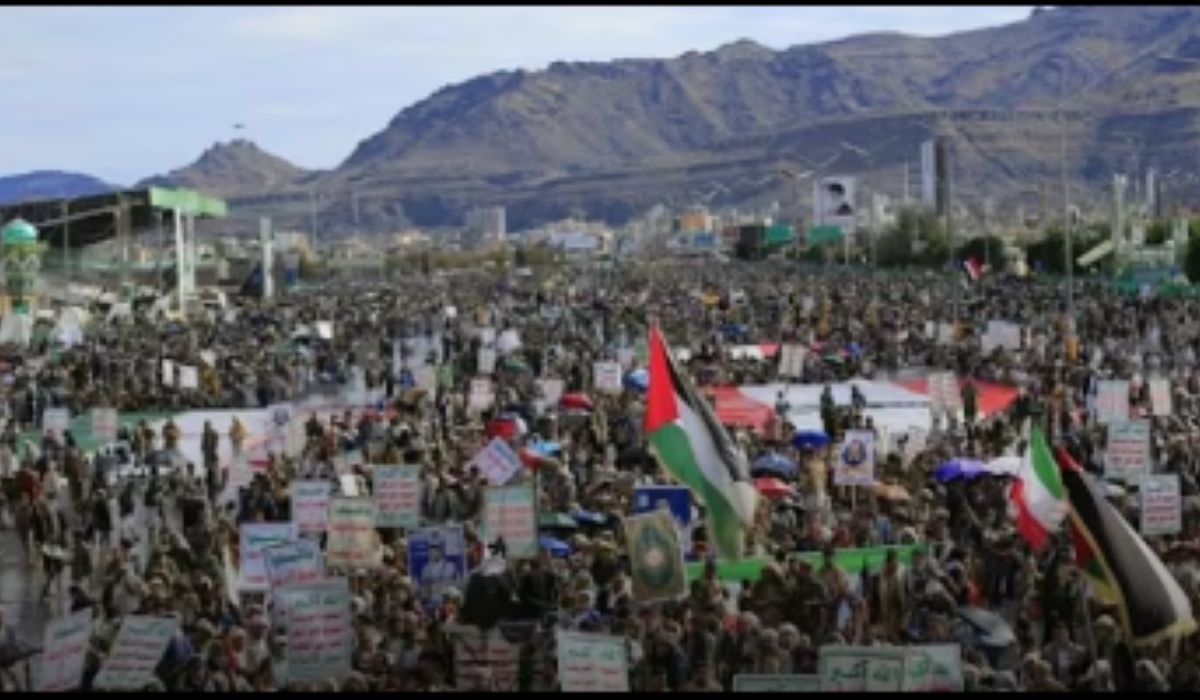
The resumption of attacks by Iran-backed Houthi rebels on Saudi Arabia has placed Pakistan in an increasingly difficult position. For Islamabad, this escalation is not merely routine turbulence in the Middle East, but a threat that could drag them into a conflict they have tried to avoid for months. Pakistan is not just an observer in these dynamics. As one of Saudi Arabia’s closest security partners and a mediator between the United States and Iran, Islamabad now sees these two roles beginning to clash. Over the past few months, Pakistan has quietly positioned itself as a diplomatic bridge in the region. Islamabad has helped facilitate understanding between Washington and Tehran and continues to push for dialogue. However, Pakistan is also bound by a defence agreement with Saudi Arabia signed last year. Pakistani officials are reportedly more concerned about Houthi attacks than previous direct missile strikes from Iran. This is due to the location of Pakistani troop deployments near Saudi Arabia’s southern border, close to Yemen. Pakistani security analyst Muhammad Amir Rana noted that Islamabad did not anticipate tensions would escalate so rapidly. If the Houthis expand the radius of their attacks, Pakistan’s military involvement may no longer be avoidable. Beyond the military aspect, Pakistan is anxious about the conflict’s impact on global trade. If the Houthis begin targeting ships in the Red Sea, vital shipping lanes for Pakistan’s fuel imports will be threatened. Pakistan is heavily dependent on energy supplies from the Gulf. Disruption in the Strait of Hormuz or the Red Sea would place severe pressure on an already fragile domestic economy. Behind the scenes, Islamabad is also observing Iran’s internal dynamics. There are concerns about the growing influence of the Islamic Revolutionary Guard Corps (IRGC) over civilian leaders in Tehran’s decision-making. This uncertainty makes Iran’s moves increasingly difficult to predict. Despite this, diplomatic efforts continue. An Iranian delegation led by Interior Minister Eskandar Momeni arrived in Islamabad this week to discuss regional security. Foreign Ministry spokesperson Tahir Andrabi continues to call on all parties to exercise maximum restraint. Pakistan is currently engaged in a complex balancing act. On one hand, it wants to maintain dialogue with Iran. On the other, it must honour its security commitments to Saudi Arabia. A Pakistani official stated, ‘It is very advantageous for all parties if this war ends. However, if Saudi Arabia calls us, we will stand with them and there is no doubt about that.’ This statement encapsulates Islamabad’s dilemma: remaining hopeful for diplomacy, but ready to act if its strategic alliance is threatened.