
Pakistan and Turkey Step In as Houthi-Saudi Conflict Escalates
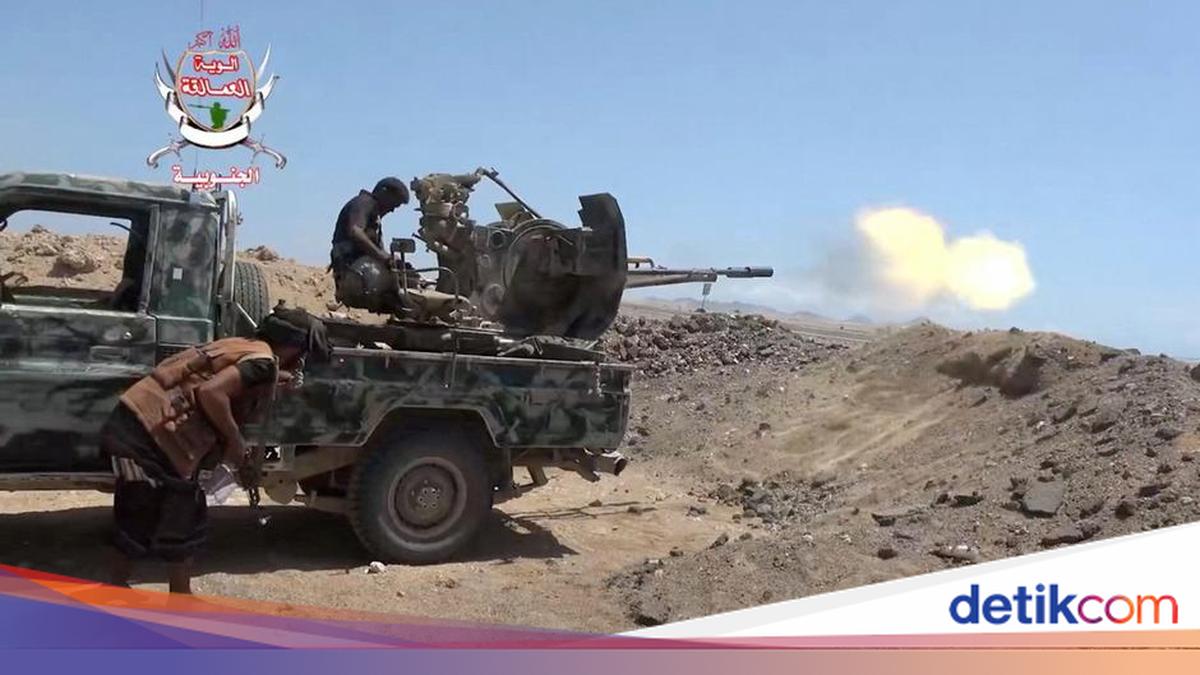
Defence cooperation between Saudi Arabia, Turkey and Pakistan, known as the Mecca Joint Defence Agreement, is beginning to take shape amid escalating conflict between Saudi Arabia and Yemen’s Houthi militia.
Under the defence commitment, an armed attack on any one of the three countries would be considered an attack on all of them. The agreement was signed on 7 August 2026 by Saudi Crown Prince Mohammed bin Salman, Turkish President Recep Tayyip Erdogan and Pakistani Prime Minister Shehbaz Sharif.
Although fighting between the Houthis and Saudi Arabia has continued, neither Pakistan nor Turkey had joined Saudi combat operations since the agreement was signed. Both countries said that command and operational arrangements were still being developed.
The situation changed on Monday (5 October), after an emergency meeting in Riyadh involving the defence and foreign ministers and senior military leaders from Saudi Arabia, Pakistan and Turkey. In a joint statement, Turkey and Pakistan said they had decided to put the mutual defence commitment into practical effect immediately.
This means providing personnel and military capabilities and ensuring rapid deployment to support Saudi forces. The meeting also announced the appointment of retired Pakistani lieutenant general Nauman Mahmood as the alliance’s first secretary-general, for a three-year term.
“Turkey and Pakistan will certainly seek to strengthen the Kingdom of Saudi Arabia’s position in the face of the Houthi threat, and show that the Mecca Agreement can weather its first real test and become an alliance that changes the dynamics,” said Burcu Ozcelik, a senior Middle East security researcher at the London-based Royal United Services Institute (RUSI).
“However, operational details about the forces to be deployed and the scope of their mission under the pact have not been made public,” Ozcelik said, adding that this was common with sensitive military-operation agreements.
According to the Global Firepower 2026 military-strength rankings, Saudi Arabia, Pakistan and Turkey together have about 1.4 million active personnel, around 3,400 military aircraft, 6,000 tanks and more than 340 naval assets.
On Wednesday (7 October), Saudi Arabia intercepted another ballistic missile in the area north of Riyadh. Earlier in the week, Saudi-backed Yemeni government forces launched a large-scale military operation to retake territory along the Red Sea coast, particularly around the Bab el-Mandeb Strait and the city of Mokha. Saudi Arabia also carried out air strikes in support of the operation.
Turkey prioritises dialogue
Turkey has yet to clarify the scope of any military deployment. As a NATO member, its military involvement could have wider implications for the alliance.
Turkish Foreign Minister Hakan Fidan said that the Riyadh meeting had discussed more than just military options. “We also discussed what can be done to resolve this problem peacefully through dialogue,” he said.
Turkey’s participation in the Mecca defence agreement has drawn criticism from opposition parties. Under the country’s constitution, international agreements generally require approval by the Grand National Assembly of Turkey, but that approval has not yet been granted.
“How can this Mecca mutual defence agreement be in force and implemented without first being submitted to the Turkish parliament for approval?” asked Namik Tan, an Istanbul MP from the social democratic Yeni Parti and a former Turkish ambassador to Israel and the United States.
Retired Turkish admiral Yani Bagcioglu also warned: “We must not ignore the risk that Turkish forces and commercial ships linked to Turkey could become targets of Houthi attacks.”
Pakistan’s difficult position amid the Iran war
Since signing the agreement, Pakistan has faced a dilemma of its own.
On Monday (5 October), Pakistani Defence Minister Khawaja Muhammad Asif told Geo News that Pakistan and Turkey would play supporting roles. Their forces would take part in reconnaissance and other duties, while Saudi forces would conduct combat operations.
“Pakistan’s contribution to the defence of Saudi Arabia is nothing new. Mechanisms of this kind have been in place for six decades,” said Imtiaz Gul, an independent Pakistani security analyst.
However, he added that confronting the Houthis posed a different challenge because the group is viewed as an extension of Iranian influence. Iran could therefore see such action as an attack on its regional interests.
According to Gul, direct Pakistani involvement in support of Saudi Arabia risks not only ending Pakistan’s neutral position as a mediator in the war between the United States and Iran, but also worsening its relations with Iran.
He stressed that Saudi Arabia is a close US ally, while the Houthis are supported by Iran.
Hisham Al-Omeisy, a Washington-based Yemen conflict analyst, told DW that one of the Houthis’ central narratives for years has been their struggle against what they see as foreign enemies.
He said that the presence of foreign troops on Yemeni soil could backfire on those who send them, strengthen the Houthi coalition and increase the group’s recruitment efforts.
Source: jawawa.id (https://jawawa.id/newsitem/pakistan-and-turkey-step-in-as-houthi-saudi-conflict-escalates-1791517955)
Originally published by detikcom (https://news.detik.com/dw/d-8699056/pakistan-dan-turki-turun-tangan-dalam-konflik-houthi-vs-arab-saudi), translated from Indonesian