
Pagerwesi 2026 Falls on 4 November: Why Is It Celebrated as Grandly as Galungan in Buleleng?
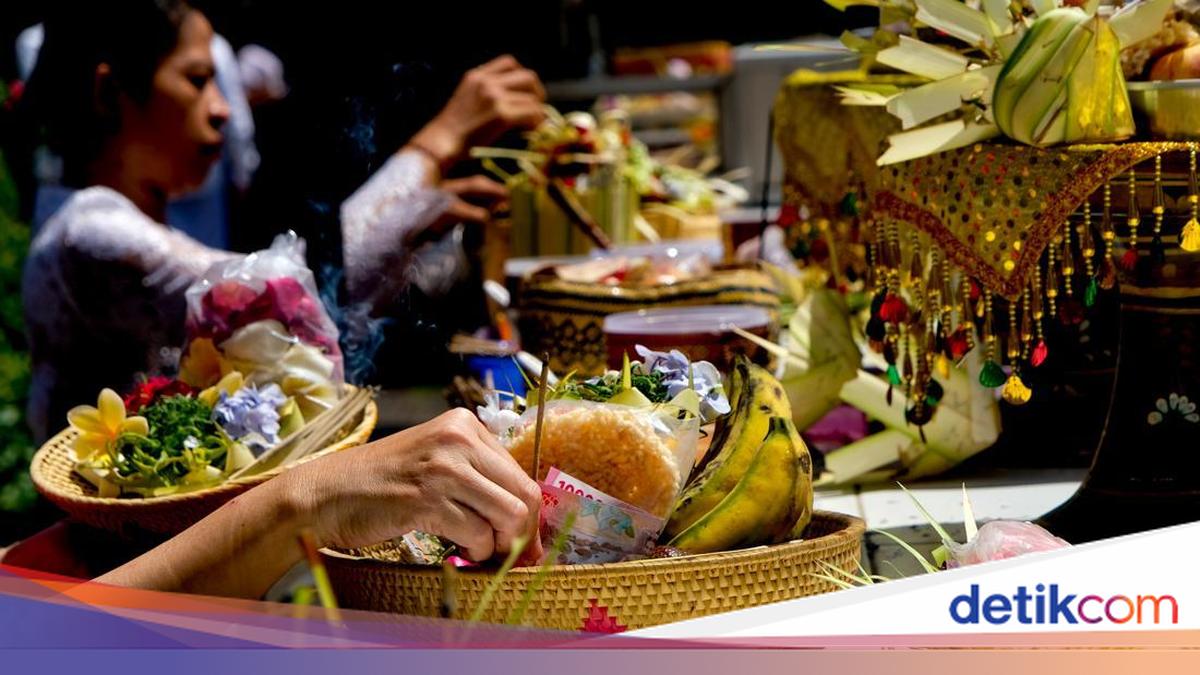
Pagerwesi in 2026 falls on Wednesday, 4 November. In several parts of Bali, the holy day is observed solemnly and simply, with offerings placed at family shrines before worship at temples.
The atmosphere is different in Buleleng, in northern Bali. Residents working outside the area return to their hometowns and visit relatives’ graves to make offerings; the celebration is said to be as grand as Galungan.
Why is Pagerwesi celebrated differently in Buleleng and elsewhere? And what is the meaning behind the name Pagerwesi?
What is Pagerwesi?
Pagerwesi comes from the words pager, meaning fence, and wesi, meaning iron. Literally, it means an iron fence: a strong barrier to protect oneself from harmful influences that could cause disturbance or damage.
This Hindu holy day falls on Buda (Wednesday) Kliwon in the Sinta week of the Balinese calendar, or once every 210 days. Pagerwesi is observed four days after Saraswati, the day marking the descent of knowledge. It is therefore understood as an effort to safeguard knowledge and strengthen faith so that it is not shaken by negative influences.
The Lontar Sundarigama describes Pagerwesi as a day for the meditation and worship of Sang Hyang Pramesti Guru, the manifestation of God as teacher of the universe, accompanied by Dewata Nawa Sanga, the nine deities who guard the cardinal directions. Pramesti Guru is also known as Lord Shiva, who dissolves negative qualities.
Hindus mark the day by presenting offerings at a sanggah or merajan (family shrine), then praying at major temples, including kahyangan jagat and village temples. Pagerwesi is also called Rerahinan Gumi, a holy day observed by all Hindus. Its rituals follow the principle of desa, kala, patra—place, time and circumstance—so practices can differ from one area to another.
The 2026 Pagerwesi observances
Pagerwesi is part of a five-day sequence beginning with Saraswati. This year, the sequence runs from 31 October to 4 November 2026:
Saturday, 31 October: Saraswati, the day marking the descent of knowledge, on Saniscara Umanis in the Watugunung week.
Sunday, 1 November: Banyupinaruh, a day for cleansing oneself through knowledge. Hindus typically bathe and wash their hair in the sea or at a spring early in the morning, before sunrise.
Monday, 2 November: Soma Ribek, a day associated with food. Worship is offered to Bhatara Sri, the goddess of rice, in gratitude for sustenance.
Tuesday, 3 November: Sabuh Mas, an expression of gratitude for possessions such as precious metals and gems. The ceremony is not a worship of wealth, but a reminder that prosperity is attained through knowledge.
Wednesday, 4 November: Pagerwesi, the culmination of the sequence, when Sang Hyang Pramesti Guru is worshipped as people seek to fortify themselves with steadfast faith.
Pagerwesi is celebrated differently across regions
Pagerwesi is observed by Hindus throughout Bali, but the rituals are not uniform. Under the principle of desa, kala, patra, local customs shape the observance. Some areas mark the day simply with prayers at family shrines and temples, while others celebrate much more festively.
The contrast is most evident in Buleleng, northern Bali, where a holy day observed quietly elsewhere becomes a major occasion.
Pagerwesi in Buleleng, as grand as Galungan
According to the official website of the Bali Provincial Government, Pagerwesi in Buleleng is celebrated on a scale resembling Galungan, including the tradition of munjung, or visiting relatives’ graves. Dewa Nyoman Suardana, head of the Buleleng branch of the Indonesian Hindu Dharma Council (PDHI), told Antara Bali that people in Buleleng, particularly those living in urban areas, celebrate Pagerwesi more festively than either Galungan or Nyepi. He said the tradition had existed since ancient times.
The festivities are most pronounced in eastern Buleleng, from Singaraja to Tejakula. In western areas such as Seririt, Gerokgak and Busungbiu, celebrations are more modest. I Gusti Ketut Simba, head of the North Bali Cultural Studies Group, has linked the difference to Buleleng’s history as a gateway for outside cultures entering Bali.
The celebration is reflected in the range of offerings presented. People slaughter animals such as chickens and pigs for offerings, then share the food with their families. The most distinctive custom is mujung: visiting relatives’ graves and presenting punjung offerings for family members who have not yet undergone the ngaben cremation ceremony. The Buleleng PDHI says this tradition is unique to Buleleng, particularly Singaraja, and is not found elsewhere in Bali.
Despite differences in how it is celebrated, Pagerwesi carries the same meaning for Hindus across Bali. The holy day is a reminder to strengthen one’s principles and ensure that knowledge acquired is used for good. The iron fence is not a physical barrier, but a symbol of steadfast faith and wisdom that keep a person from being easily swayed by harmful influences.
People in Buleleng express these values through family togetherness and respect for their ancestors. Wednesday, 4 November 2026, offers Hindus—whether they celebrate simply or as grandly as Galungan—an opportunity to reaffirm their resolve to fulfil their duties in life, or swadarma.
Source: jawawa.id (https://jawawa.id/newsitem/pagerwesi-2026-falls-on-4-november-why-is-it-celebrated-as-grandly-as-galungan-in-buleleng-1793497827)
Originally published by detikBali (https://www.detik.com/bali/budaya/d-8732517/pagerwesi-2026-jatuh-4-november-kenapa-perayaan-di-buleleng-semeriah-galungan), translated from Indonesian