
Paediatric Specialist Explains Dangers of Improper Nebuliser Use
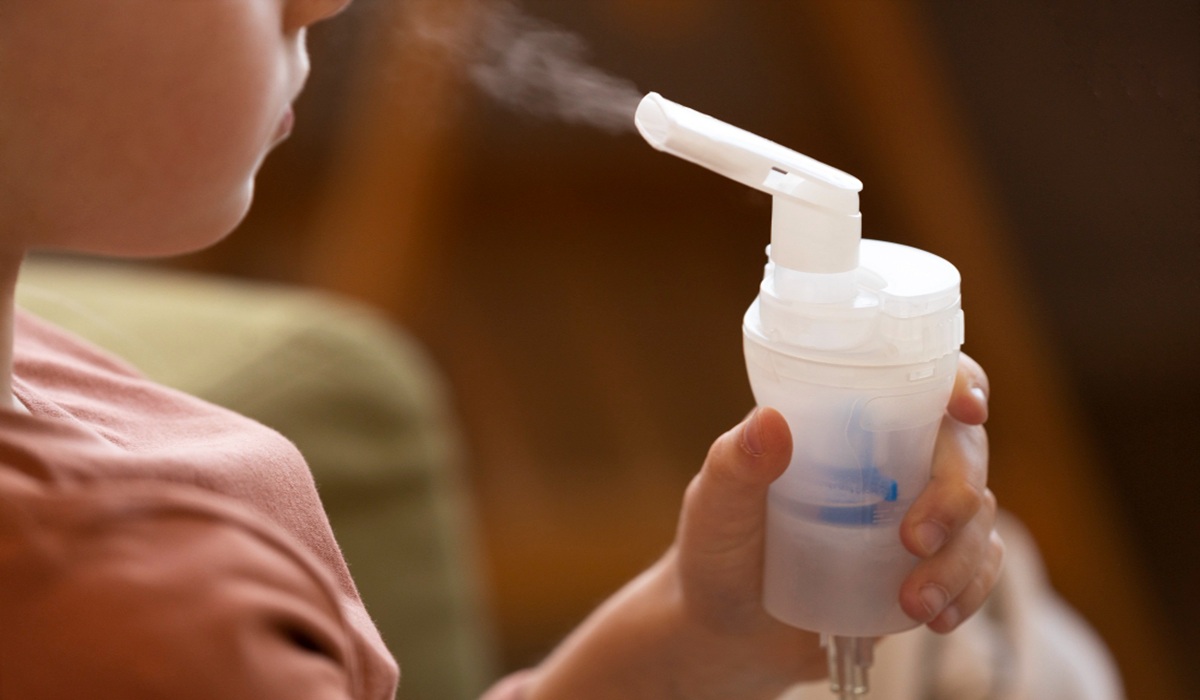
The use of a nebuliser that does not follow proper procedures poses serious health risks. Paediatric specialist and respirology subspecialist, Dr. Wahyuni Indawati, Sp.A, Subsp. Respi (K), has warned that errors in nebulisation techniques can trigger side effects on other organs, particularly the eyes.
According to Dr. Wahyuni, one of the main risks originates from residue or leftover medication that disperses during the nebulisation process. If the device is not used correctly or the mask does not cover the nose and mouth area perfectly, the medication vapour can inadvertently affect other parts of the body. The side effects that appear depend greatly on the type of medication used in the therapy.
Therefore, the doctor who practises at Cipto Mangunkusumo Hospital (RSCM) emphasised the importance of ensuring the nebuliser used is of good quality and capable of minimising medication residue so as not to disturb other organs.
Nebulisation is a method of administering medication designed to directly reach the target organ, namely the respiratory system. In this method, liquid medication is converted into an aerosol (very fine particles or liquid droplets) using a nebuliser so it can be easily inhaled by the patient. The main advantage of this therapy is its effectiveness in delivering medication directly to the airways. However, this effectiveness must be accompanied by precise medical indications.
Dr. Wahyuni highlighted a phenomenon in society where people tend to make the nebuliser the primary choice for all types of respiratory complaints. She stressed that not all respiratory diseases require inhalation therapy. Medically, nebulisation is intended for specific respiratory tract diseases.
“Medication given through inhalation therapy has a mechanism of action in the respiratory system for specific diseases,” explained Dr. Wahyuni during an educational event in Jakarta, Thursday (2/7/2026).
“If the cough is due to an upper respiratory tract infection or an acute upper infection outside the chest cavity, such as a common cold or flu, then a nebuliser is completely useless.”
The public is urged not to self-medicate with a nebuliser without direction from medical personnel. If a child or family member experiences respiratory problems, the first step that must be taken is to consult a doctor to obtain an accurate diagnosis. Education regarding the proper indications for inhalation therapy is crucial to avoid the risk of long-term complications that can actually be prevented with correct procedures.