
Padel Surge Shifts Consumer Patterns in Indonesia's Sports Equipment Market
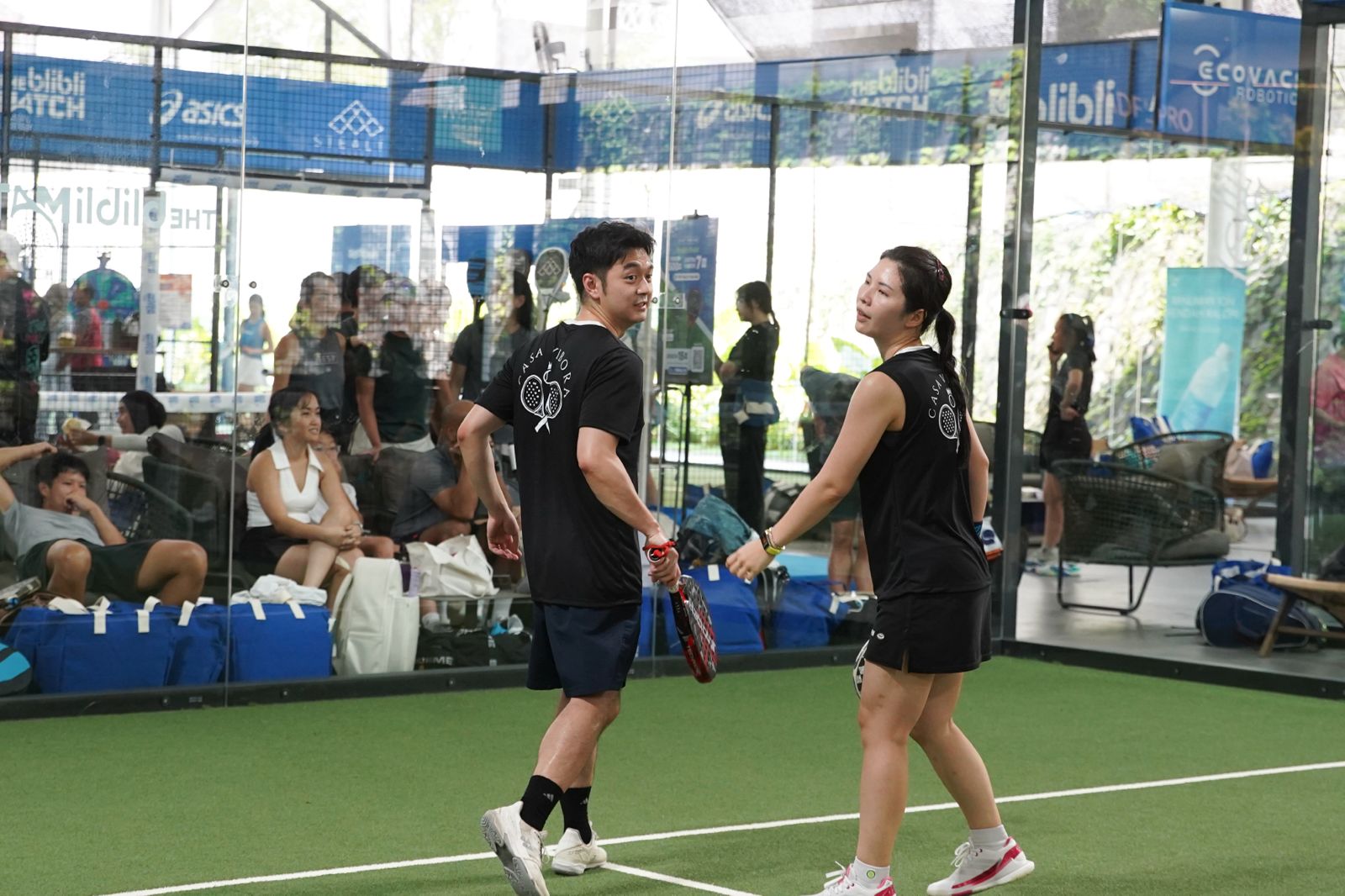
The growth of padel in Indonesia not only reflects rising public interest in new sports but is also triggering a shift in consumption patterns within the sports equipment sector. The Global Padel Report 2025 by Playtomic and Strategy& by PwC notes Indonesia as one of the fastest-growing padel markets in the Asia Pacific, marked by a rapid increase in the number of players, clubs, and facilities. Amid this growth, consumer behaviour is shifting. Whereas padel racket purchases previously tended to be long-term, the ownership cycle is now becoming shorter as players’ skills and technical needs advance. This phenomenon is also driven by rapid innovation in global padel racket products. Differences in technology, materials, and playing characteristics are increasingly encouraging consumers to upgrade their equipment periodically. However, the relatively high price of rackets remains a major barrier to this transition. On the other hand, this situation creates space for new, more flexible consumption models, including trade-in schemes within the digital commerce ecosystem. Blibli has captured this change by introducing a Trade-In and Exchange for BlibliPay Balance feature specifically for the padel racket category. Through this feature, consumers can exchange their old rackets online and receive a trade-in value that can be used directly as a discount of up to Rp5.8 million on a new racket purchase, or converted into digital balance. This model allows consumers to upgrade without bearing the full cost of a new product. The assessment and collection process is also integrated within a single platform, shortening the transaction chain that was previously conducted separately. ‘Padel is developing very quickly and we see that players’ needs are also increasingly diverse, from beginners to competitive players looking for rackets with specifications that better match their skill development,’ said Edward Kilian S, Group Head Emerging Category at Blibli. He explained that the trade-in mechanism is designed to follow new, more dynamic consumption patterns. ‘The process is simple. Consumers just select the brand, type, and condition of their old racket, and the trade-in value directly reduces the purchase price of the new racket. The old racket will be collected when the new product is delivered,’ he added. Currently, the padel racket category on Blibli covers various global brands such as Adidas, Bullpadel, Head, Nox, SIUX, Babolat, Tactical, and Oxdog, with price segmentation based on player level. For the beginner segment, prices are around Rp1.7 million, while the intermediate level ranges from Rp2.6 million to Rp3.5 million, and the advanced level starts from Rp3.6 million to Rp4.9 million. In addition to the trade-in mechanism, consumers also gain access to various incentives such as additional vouchers, 0% instalments for up to 24 months, pick-up and delivery services, and guarantees of authentic products from official stores and trusted sellers. In the premium segment, the padel racket market is also beginning to exhibit characteristics as a lifestyle and collectible category. Limited-edition products such as the Babolat x Lamborghini BL.003 collaboration, marketed in the range of tens of millions of rupiah, reveal a consumer segment oriented not only towards performance but also exclusivity. Overall, this development shows that the growth of padel is not only forming a new sports community but also creating consumption patterns that are faster, more flexible, and based on upgrade cycles. In this context, transaction model innovations such as trade-in schemes are part of the industry’s adaptation to changing consumer behaviour in the sports sector.