
Pacitan Regent to lead Independence Day ceremony from Luweng Ombo Cave
The spirit of independence also means the courage to recognise and protect every inch of the wealth entrusted to the land of Indonesia.
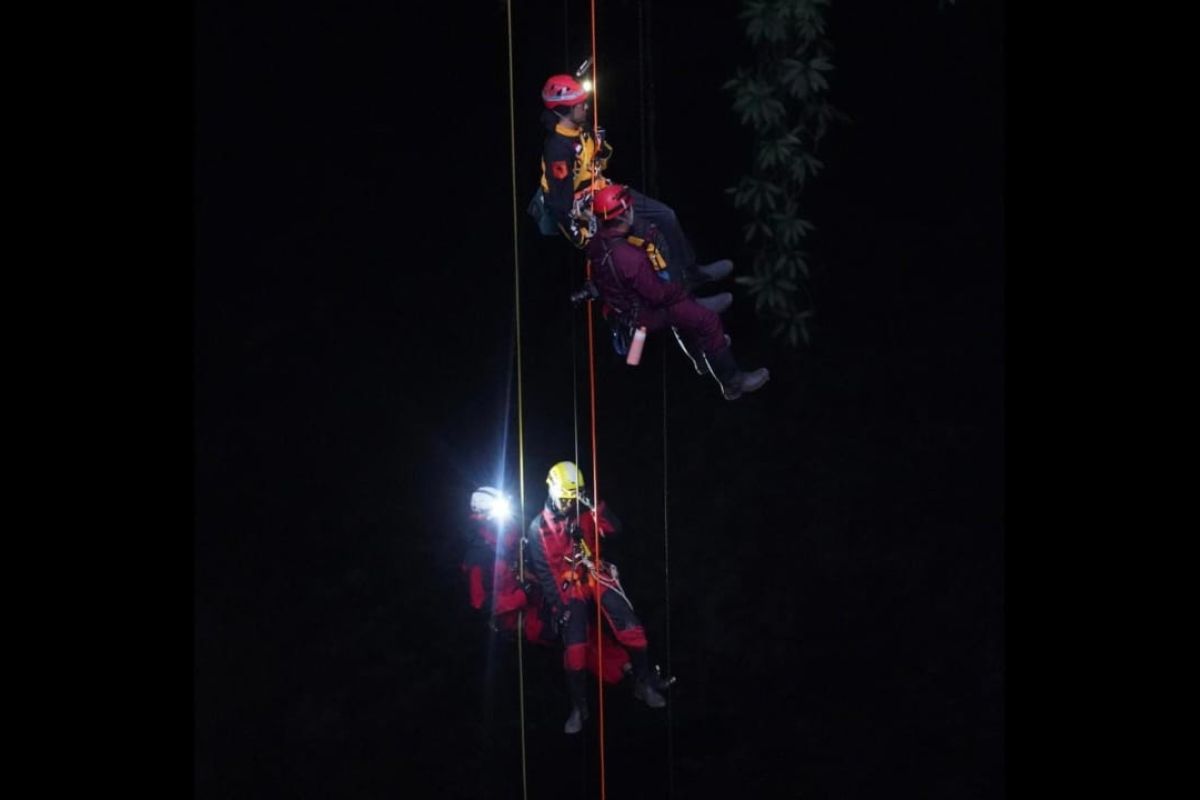
Pacitan Regent Indrata Nur Bayuaji will lead the Proclamation Seconds ceremony for the 81st Anniversary of Indonesian Independence from Luweng Ombo Cave, Kalak Village, Pacitan Regency, East Java, on Monday (17/8).
Indrata said on Sunday that the choice of location was part of the Gahvara Yava Expedition 2026 series, which is exploring the Luweng Ombo cave system.
“The spirit of independence also means the courage to recognise and protect every inch of the wealth entrusted to the land of Indonesia,” said Indrata.
The ceremony also serves as a symbol that the spirit of independence can be present in the various spaces where the nation’s children work and develop knowledge.
During the event, the committee will also raise a 22 by 17 metre Red and White flag at the mouth of Luweng Ombo Cave.
Indrata said the event is not merely a commemoration of independence, but also a form of respect for the researchers and explorers who carry out exploration to produce knowledge, documentation and data about the karst area of Pacitan.
According to him, the results of the exploration can support various interests, including conservation, disaster mitigation, education, and responsible development of regional potential.
“Pacitan does not only have beaches and natural panoramas, but also holds geological, ecological and scientific wealth beneath the earth’s surface that is important to study and preserve,” he said.
The expedition carries a mission of exploration, mapping, research, conservation and documentation of the Luweng Ombo Cave area.
Indrata confirmed that the entire series of events for the 81st Anniversary of Indonesian Independence in Pacitan Regency will proceed according to schedule. He is also scheduled to be the inspector of the flag-lowering ceremony at the Pacitan Regency Pendopo in the afternoon.
“My hope is that this expedition does not stop as a single event, but becomes the beginning of greater attention to research, protection of karst areas, development of speleology, and the use of scientific knowledge for regional development,” he said.