
P3HKI Proposes Labour Compliance as Prerequisite for Mergers and Acquisitions
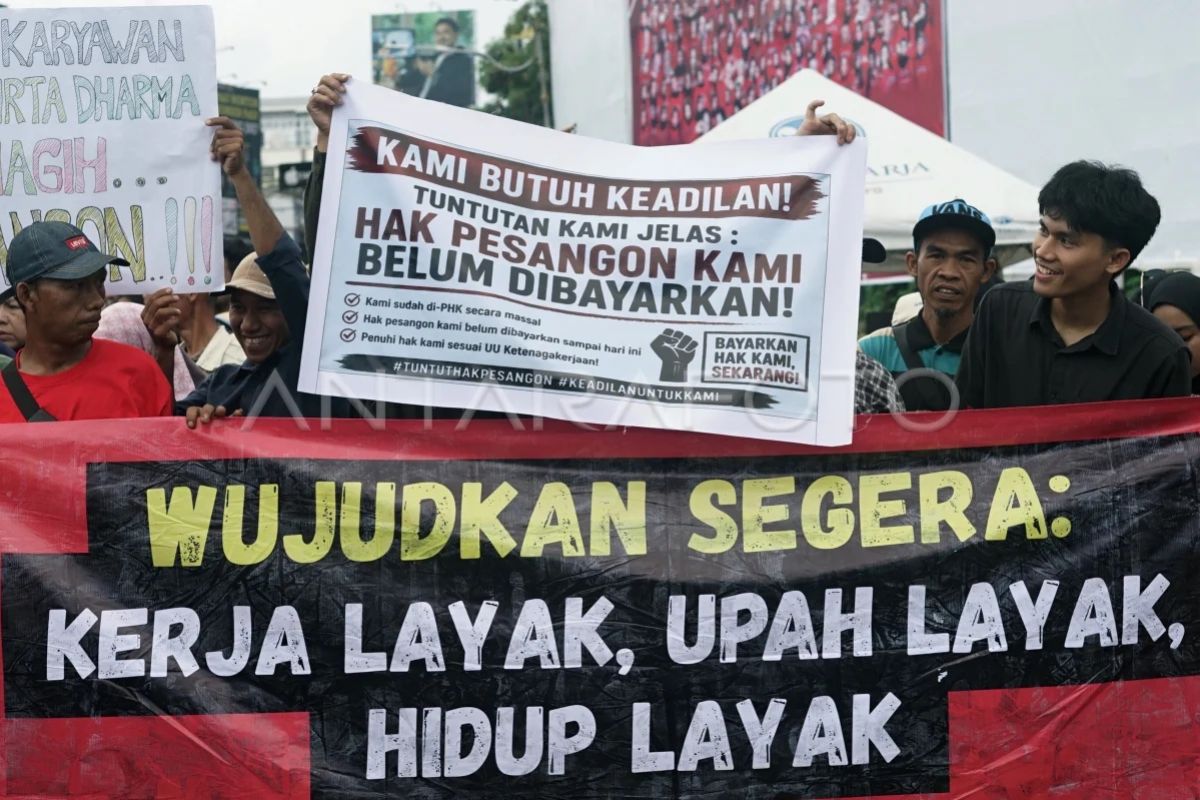
Jakarta (ANTARA) - The Indonesian Association of Labour Law Teachers and Practitioners (P3HKI) is urging that compliance with labour regulations become a mandatory requirement in corporate actions, such as mergers and acquisitions, to ensure that workers’ rights remain protected.
“Why don’t we introduce a mechanism where, for instance, if there is a corporate action, merger, or acquisition, there is a requirement we call a ‘Certificate of Labour Compliance’,” said the Vice Chairman of P3HKI, Ahmad Ansyori, during the BIG Strategic Forum 2026 discussion in Jakarta on Tuesday.
According to him, adherence to labour laws needs to serve as an instrument to ensure the protection of workers’ rights amidst increasing investment activities and corporate restructuring.
“Therefore, compliance with labour legislation should be one of the conditions for entering the process of a merger, acquisition, or any type of corporate action. If it is not met, the process cannot be completed,” he stated.
Ahmad believes that Indonesia needs to develop preventative measures to anticipate various labour issues arising from corporate actions, including the disregard for workers’ rights.
He noted that worker protection must be strengthened alongside government efforts to attract domestic investment.
“We invite, welcome, and celebrate foreign investment, but legal sovereignty must not be subordinate to investment,” he said.
In addition to the proposal for a labour compliance certificate, Ahmad also encouraged the establishment of an escrow account mechanism under government supervision to guarantee the fulfilment of workers’ rights should a company undergo a change in ownership.
According to him, companies are currently required to calculate and set aside provisions for long-term obligations to employees, including severance pay, service period appreciation pay, and compensation for rights.
However, this mechanism is deemed insufficient to ensure that workers’ rights are maintained if a company undergoes a change in ownership or ceases operations.
“What if we do not stop at merely calculating and provisioning, but instead move those funds into an escrow account?” he asked.
Ahmad explained that funds in such an account could be used to meet a company’s obligations to employees in the event of disputes or if the company is unable to fulfil its duties.
He expressed hope that these recommendations could be considered during the drafting and refinement of future labour regulations, including discussions regarding the revision of the Labour Law.
In his view, Indonesia must ensure that efforts to attract investment proceed in tandem with law enforcement and the protection of workers’ rights.