
Oxford's New Ebola Vaccine to Enter Clinical Trials: 2026 Medical Breakthrough
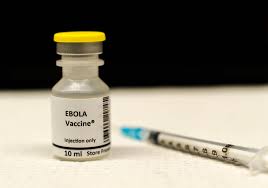
Scientists from Oxford Vaccine Group at the University of Oxford are racing against time to develop the first vaccine for the rare Bundibugyo strain of Ebola. Using cutting-edge technology developed during the Covid-19 pandemic, the vaccine is expected to enter human clinical trials within two to three months.
This swift action follows the World Health Organization (WHO) raising the outbreak risk in the Democratic Republic of Congo (DRC) to “Very High”. By May 2026, over 750 suspected cases have been recorded, with a mortality rate of one-third of total patients.
Unlike the Zaire strain, which has a licensed vaccine (such as Ervebo), the Bundibugyo strain has distinct genetic characteristics requiring a specific immunological approach. Without the right vaccine, frontline healthcare workers face extremely high exposure risks.
Professor Teresa Lambe, Head of Vaccine Immunology at Oxford, explained that her team is leveraging “muscle memory” from Covid-19 vaccine development to accelerate the process. “We do not have the luxury of time as health crises unfold. We are working as hard and as fast as possible to ensure vaccine options are available for those in need,” she said.
A key factor in the programme’s speed is collaboration with the Serum Institute of India (SII). Once the initial vaccine material (seed virus) is ready, SII can produce millions of doses within weeks. This partnership previously proved successful in saving millions of lives during the 2020-2022 global pandemic.
Support from the Pandemic Sciences Institute ensures preclinical data and regulatory processes are handled in parallel to reduce bureaucratic delays without compromising strict medical safety standards.
While awaiting trial results, WHO and local health authorities continue to strengthen non-medical measures. The availability of the Oxford vaccine is expected to be a “game changer” in reducing fatalities and ending the Bundibugyo Ebola threat in Central Africa and surrounding regions.
- When will the Oxford Ebola vaccine be available to the public?
The vaccine is currently in experimental stages. If human trials (Phase 1/2) are successful, emergency use authorisation could be granted by the WHO within months for outbreak-affected areas.
- Is this vaccine effective against all Ebola strains?
The ChAdOx1 BDBV vaccine is specifically designed for the Bundibugyo strain. However, Oxford is also developing a multivalent variant targeting Sudan and Zaire strains simultaneously.
- Is this vaccine safe for children?
Initial trials typically involve healthy adults aged 18-55. Testing on children and elderly populations will follow in later stages once initial safety data is available.