
Overuse of hand sanitiser can damage the skin
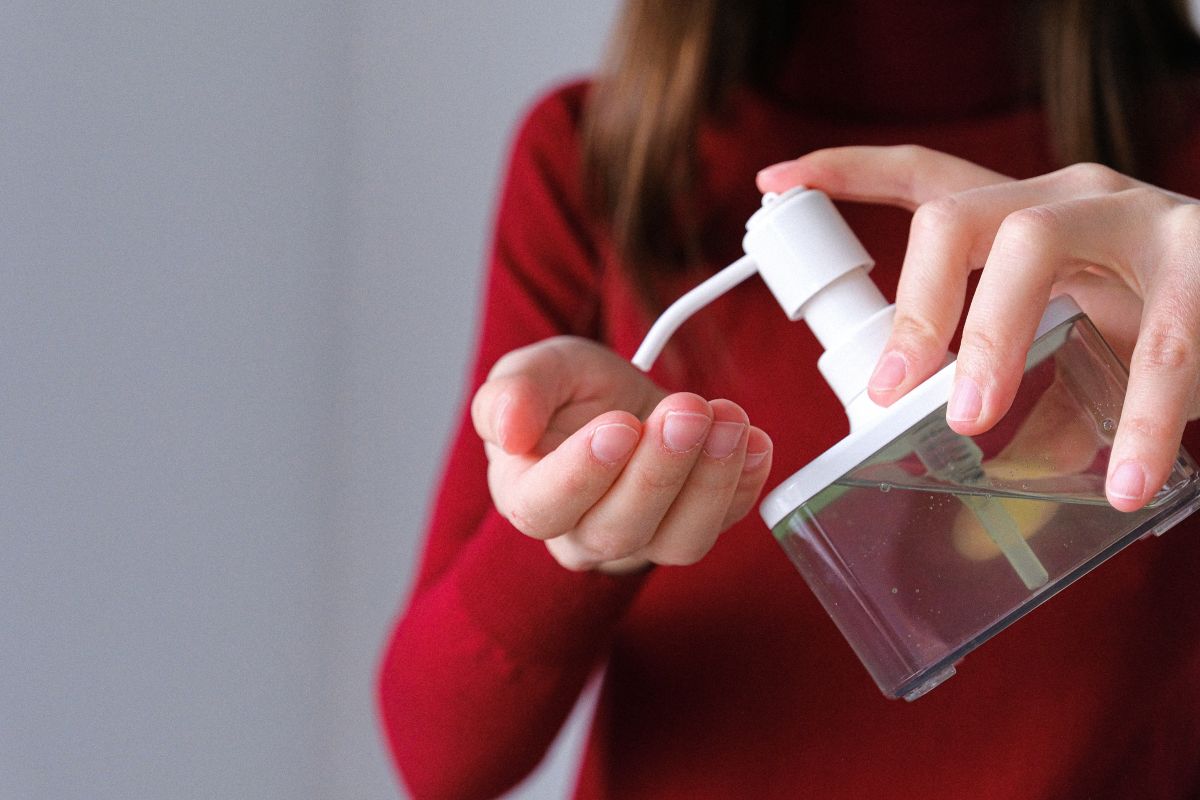
Jakarta (ANTARA) — The use of hand sanitizers can help maintain cleanliness to prevent infections and avoid illness, but excessive use can cause various problems for the skin of the hands. According to Hindustan Times, in a report published on Wednesday 20 May local time, Dr. Surbhi Deshpande, a dermatology consultant at Zynova Shalby Hospital in Mumbai, said that continuous use of hand sanitisers and even frequent hand-washing can damage the skin’s protective outer layer, causing dryness, itching, and painful hand eczema.
“If people frequently use alcohol-based hand sanitisers, this can strip the skin’s natural oils and damage its protective barrier. As a result, the skin can become dry, irritated, and sensitive. Over time, this can lead to redness, itching, cracking, and hand eczema for those with sensitive skin,” she said.
The dermatologist also observed that hand eczema presents as inflammation, irritation, and dryness on the hands. This occurs when the skin’s protective barrier becomes weakened due to ongoing exposure to chemicals, soaps, detergents, and alcohol-based hand sanitisers.
People with eczema tend to scratch continuously and are also at risk of skin infections caused by bacteria or fungi. Over time, the severity can worsen and bleeding may occur due to deep cracks.
“The appearance of the skin can also change; it may become thickened, darkened, and highly sensitive over time,” Deshpande said.
People who wash hands frequently, such as healthcare workers, homemakers, salon staff, cleaners, and office workers, are more likely to develop hand eczema. Moreover, the condition can affect daily activities such as cooking, typing, cleaning, or even gripping objects comfortably due to dryness, irritation, and pain.
Treatment options depend on the severity of the condition. The dermatologist noted that treatments may include moisturisers, medicated creams, antihistamines, and anti-inflammatory drugs.