
Over 60 Percent of Indonesia's Population Still Vulnerable to Hepatitis B
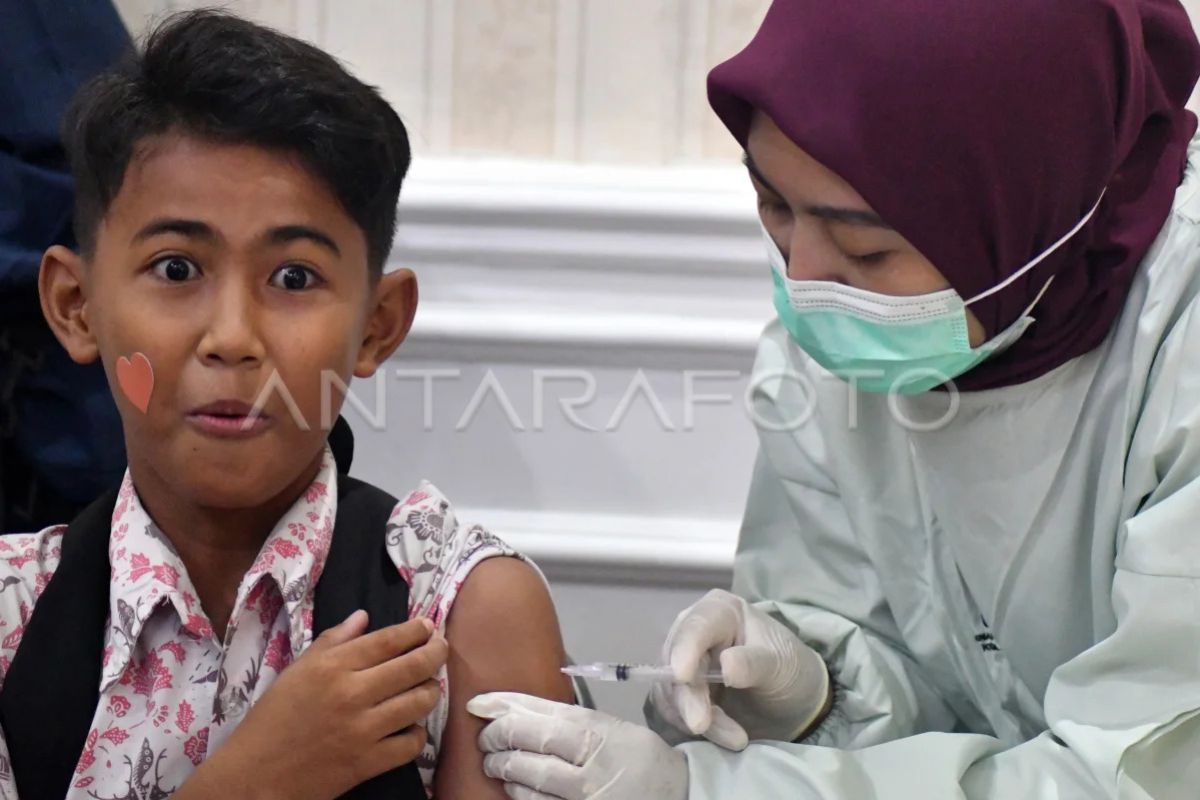
Jakarta - The Ministry of Health has stated that more than 60 per cent of Indonesia’s population remains vulnerable to hepatitis B, even though the national immunisation programme, in place since 1997, has successfully suppressed transmission of the disease among children.
“Indonesia is experiencing a change in the epidemiology of hepatitis B. Transmission in the generation that received immunisation since infancy has declined drastically, while the disease burden in the adult age group still reflects the high transmission that occurred before universal immunisation was introduced,” said Dr. David H Muljono, Chair of the Ministry of Health’s Hepatitis Expert Committee.
Speaking in Jakarta on Monday, he explained that the distribution of protective antibodies (anti-HBs) shows a bimodal pattern. The figure is high in children as a result of successful immunisation, declines in adolescents and young adults, and then rises again in older age groups due to immunity acquired after natural infection.
The 2023 Indonesian Health Survey (SKI) results show that the prevalence of active hepatitis B (HBsAg) in children aged 1–4 years is only 0.1 per cent, well below the WHO target for hepatitis B elimination in children. According to him, this success demonstrates that hepatitis B immunisation is one of the most effective public health interventions ever implemented in Indonesia.
The 2023 SKI data also provides a clear picture of this epidemiological shift. Across all age groups, the prevalence of active hepatitis B (HBsAg) now stands at 2.4 per cent. A total of 19.7 per cent of the population show evidence of past exposure to the hepatitis B virus (anti-HBc positive), while only 24.3 per cent possess protective antibodies against hepatitis B (anti-HBs positive).
Another finding requiring attention is that more than 60 per cent of Indonesia’s population still lack all three serological markers for hepatitis B, namely HBsAg, anti-HBc, and anti-HBs. This group has never been infected but also lacks immunity against hepatitis B.
“This finding indicates that hepatitis B transmission has decreased significantly compared to two decades ago, but there remains a large proportion of the population without immunity to hepatitis B infection,” he said.
As long as horizontal transmission continues, he noted, these individuals remain at risk of infection during adolescence or adulthood. This condition shows that prevention efforts cannot stop at infant immunisation alone but must be complemented with protection strategies for older age groups.
David assessed that the hepatitis elimination strategy in Indonesia needs to evolve from an immunisation-focused approach to one that covers the entire disease pathway, from preventing new infections to preventing cirrhosis and liver cancer.
“These efforts include expanding risk-based screening, improving access to laboratory testing, early diagnosis, management in accordance with national and WHO guidelines, preventing transmission within families, and providing catch-up vaccination for individuals who lack immunity to hepatitis B,” he said.
Scientific advancements also offer new hope. He said the 2024 WHO guidelines have expanded recommendations for antiviral therapy for chronic hepatitis B, allowing more patients to receive treatment before progressing to cirrhosis or liver cancer.
Furthermore, he stated that contributions from all parties, including the government, academia, professional organisations, and the media, are essential to raising public awareness in controlling hepatitis B.
“Indonesia has proven that hepatitis elimination is not an impossible aspiration. The achievement of the WHO target in children shows that evidence-based policies can change the epidemiology of a disease within a single generation,” he said.
Source: jawawa.id (https://jawawa.id/newsitem/over-60-percent-of-indonesias-population-still-vulnerable-to-hepatitis-b-1785153373)
Originally published by Antara (Indonesian) (https://www.antaranews.com/berita/5667911/lebih-dari-60-persen-penduduk-ri-masih-rentan-hepatitis-b), translated from Indonesian