
Over 236,000 Overseas Job Vacancies Still Open for Indonesian Workers
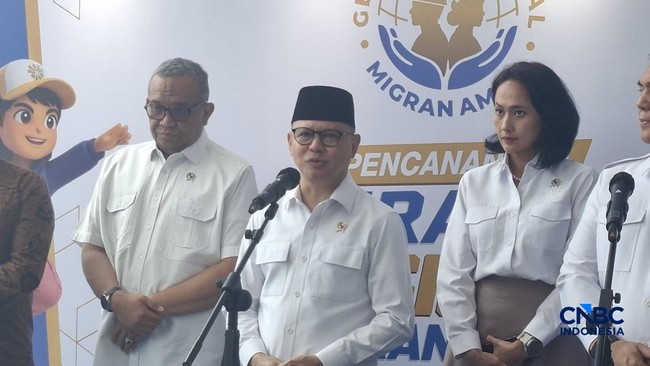
The Minister of Indonesian Migrant Workers Protection (P2MI)/Indonesian Migrant Workers Protection Agency (BP2MI), Mukhtarudin, stated that overseas employment opportunities remain open for Indonesian citizens. BP2MI records indicate that there are currently around 315,000 job opportunities abroad, many of which have yet to be filled.
To date, only about 78,996 vacancies, or 25% of positions, have been occupied by Indonesian Migrant Workers (PMI). This leaves approximately 75% of the vacancies, or around 236,000 roles, still available.
“Therefore, this is something that needs to be prepared. On one hand, we are experiencing a demographic bonus, but on the other hand, several other countries are facing an ageing population, which opens up space for us to fill overseas job opportunities with competent workers,” he stated during a working meeting with Commission IX of the Indonesian House of Representatives (DPR RI) on Tuesday.
This momentum can be utilised by Indonesia amidst its demographic bonus, which is expected to peak around 2035. Furthermore, in 2025, Indonesia’s productive population is estimated to reach 183 million, and by 2045, it is projected to increase to approximately 207.99 million.
“These are significant figures, and the government will certainly prepare strategies alongside all relevant ministries to address the challenges and issues associated with the demographic bonus,” he explained.
The demographic bonus can serve as a source of strength and an engine for national development and progress if prepared effectively. Conversely, if not managed well, a large productive-age population could potentially become a burden or a problem for the state.
Consequently, the Ministry of P2MI/BP2MI has received directives from President Prabowo Subianto to focus not only on increasing the placement of migrant workers but also to ensure that protection for migrant workers is maximised—from before they depart, during their placement, until they return to Indonesia.
In addition to the aspect of protection, the government is also shifting the orientation of migrant worker placement. The government is no longer merely sending low-skilled labour, but is also encouraging placement in medium-skill and high-skill sectors that offer greater added value and better welfare.
According to Mukhtarudin, these conditions present a massive opportunity for Indonesia to fill labour shortages in various countries. However, this opportunity can only be seized if prospective workers possess the competencies required by the international labour market.
To this end, the Ministry of P2MI/BP2MI is building a higher-quality migrant worker placement ecosystem, including through vocational competency enhancement programmes and the ‘SMK Go Global’ initiative. These efforts are expected to increase the number of Indonesian workers absorbed into the global market while optimising the demographic bonus as a driver for national economic growth.