
Otok-Otok Craftsmen in Cirebon Preserve Traditions Amidst Modern Toy Competition
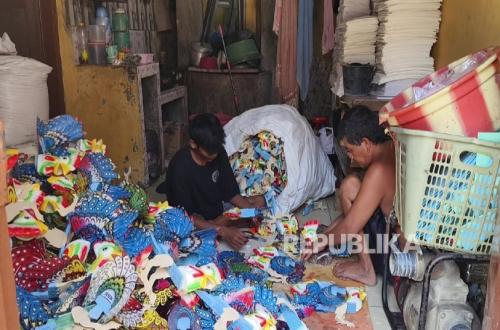
Pieces of foam, cloth, yarn, and various scraps of industrial materials usually end up as items that are no longer looked at. However, in Suhendra’s hands, these objects, which are still viable and safe, are given a new life.
Using skills passed down through generations, Suhendra transforms waste into a wide variety of colourful traditional toys. From chicken shapes to barongsai (lion dance) and dragons, everything is handmade at a craft centre located in Blok Tegalan, Jamblang Village, Jamblang District, Cirebon Regency.
In this workshop, the craftsmen’s activity remains visible every day. Pieces of material that initially seem simple are slowly transformed into toys that possess their own shape and character, ensuring they are safe for anyone to play with.
For Suhendra, this activity is not solely about seeking income. There is a tradition he wishes to maintain so that traditional toy-making skills do not disappear over time.
“Making traditional toys here is indeed hereditary. The materials make extensive use of industrial waste,” Suhendra said yesterday.
Handcrafted, Relying on Meticulousness
Unlike the modern toy industry, which relies on machines and mass production, the process of making toys at Suhendra’s premises is still done conventionally. Each part is worked by hand.
The process involves cutting foam into shape, preparing fabrics and threads, sewing, assembling, and colouring the toy parts. At first glance, the process looks simple; however, it requires thoroughness and speed to ensure each piece of material comes together into the desired shape.
A slight mistake in cutting or assembling can alter the shape of the toy, resulting in an end product that does not match the design. “Everything is still made conventionally. Therefore, it requires thoroughness and speed,” he said.
In running his business, Suhendra does not work alone. Five local residents assist him every day.
They are engaged in various stages of production, earning an income from skills that have developed within their environment. To produce approximately three kodi (60 pieces) of toys, Suhendra and his workers take about one week. This time is used to navigate the entire production chain, from material cutting and sewing to assembly and the dyeing process.
From these leftover materials, toys of various colours are born. Chicken, barongsai, and dragon shapes are some of the products still manufactured and marketed today.
Although made in a traditional manner, Suhendra’s toys still maintain a market. With a price of approximately Rp 10,000 per piece, the toys are marketed within the Cirebon region and to various other regions across Indonesia.
Products made by the craftsmen of Jamblang, which reach different parts of Indonesia, demonstrate that traditional toys still have fans amidst the predominance of modern products. Their relatively affordable price is one of the main attractions. However, there is something else that sets them apart: a manufacturing process that still relies on the hands and skills of the craftsmen.
Each toy produced is not simply a finished product, but also carries a story of how society leverages materials considered worthless into something of economic value.
Source: jawawa.id (https://jawawa.id/newsitem/otok-otok-craftsmen-in-cirebon-preserve-traditions-amidst-modern-toy-competition-1789165261)
Originally published by Republika (https://en.republika.co.id/berita/tl7dq1415/otokotok-craftsmen-in-cirebon-take-care-of-traditions-in-the-midst-of-modern-toys), translated from Indonesian