
Orphanages Not Receiving Free Nutritious Meals? Sudaryono Explains
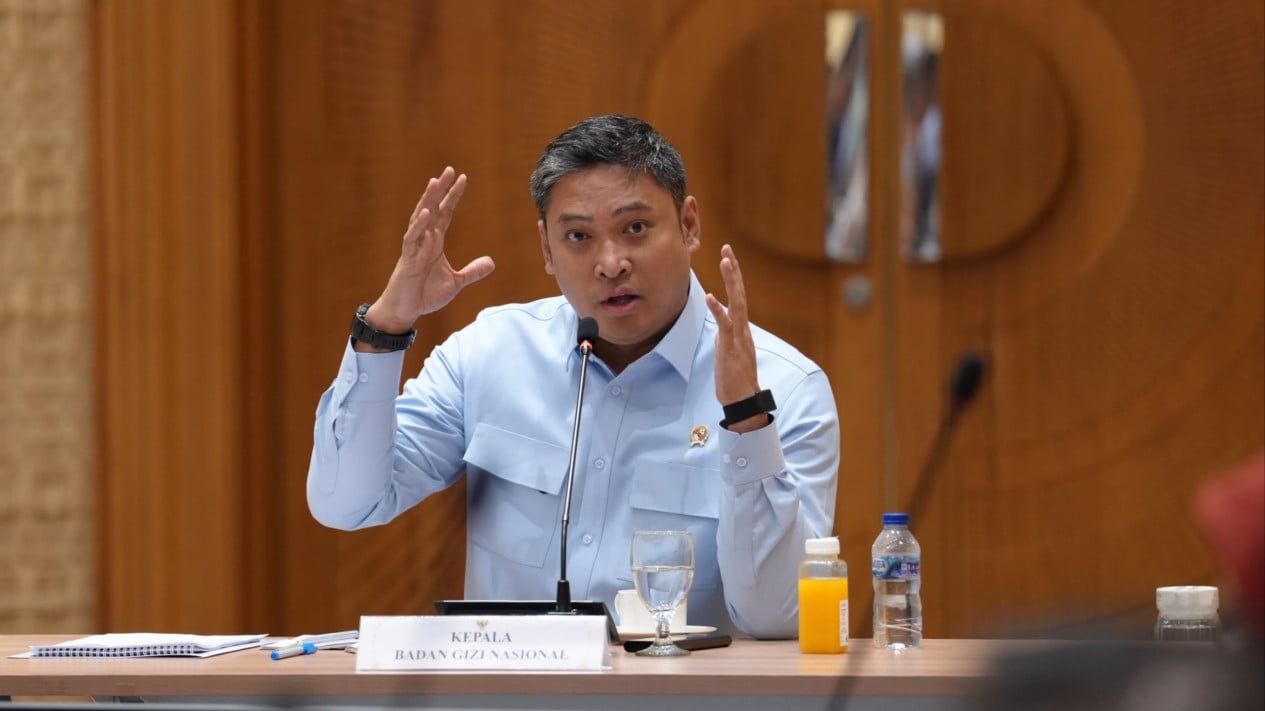
Jakarta — National Nutrition Agency (BGN) head Sudaryono has explained a controversy over claims that children living in orphanages are not benefiting from the Free Nutritious Meals (MBG) programme. He gave his explanation in the comments section of the Instagram account @syamsulaco.
“MBG is provided at the schools they attend, brother. There are mechanisms and regulations. Please continue to support it,” Sudaryono wrote.
His statement clarified that school-age children living in orphanages receive MBG through the schools they attend, in accordance with the applicable mechanisms and regulations.
Meanwhile, MBG for toddlers is distributed through posyandu, or community health posts, which are one of the programme’s distribution channels.
“For toddlers, it is also distributed through MBG channels, namely posyandu, which is one of the programme’s distribution channels,” Sudaryono added.
The explanation responded to public debate over orphanage children’s access to the government’s nutrition programme.
In his response, Sudaryono stressed the importance of understanding MBG’s distribution mechanisms so that the programme is implemented in line with the rules. The school and posyandu distribution routes are important for the public to understand when considering the scope of the programme’s beneficiaries.
His direct response on social media also served as an example of open communication between the BGN leadership and the public. Digital platforms allow people to obtain explanations about the implementation of government programmes, including how benefits are distributed to target groups.
MBG is one of the government’s efforts to support nutritional needs, particularly among children. It is therefore important to understand the eligibility criteria, distribution channels and implementation regulations, so that information circulating among the public does not lead to misunderstandings.
BGN is expected to step up public information about how MBG is distributed, including to children living in orphanages and to toddlers, so that people understand how access to the programme works under the applicable rules.