
Origins and Tradition of 'Lebaran Anak Yatim' on 10 Muharram: Innovation or Permissible?
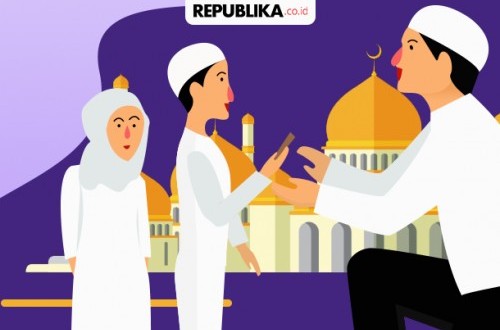
Every time 10 Muharram approaches, a portion of the Muslim community in Indonesia frequently organises charitable donations for orphans. This tradition, popularly known as “Orphan’s Eid,” is not without debate, as the hadiths serving as its foundation are considered to have weak (dhaif) status. Thus, what are the views of scholars regarding this practice?
Regarding 10 Muharram being known as the ‘Eid of Orphans’, according to KH Ahmad Zarkasih Lc, this is a classic issue that is discussed almost every year. There are those who oppose it, and there are also those who preserve this tradition.
In Indonesia, almost every mosque and religious assembly (majelis taklim) holds celebrations for the Islamic New Year, which include events for providing aid to orphans because the month of Muharram, specifically the 10th day, is referred to as the Eid of Orphans.
This tradition emerged because many hadiths known to the general public highlight the virtues of providing for orphans on 10 Muharram. Due to the high volume of donations, 10 Muharram has come to be seen as a month of “good fortune” for orphans, leading many to refer to it as “Eid,” given that the meaning of Eid is a day of celebration.
“On 10 Muharram, orphans are at their happiest because many people are paying attention to them,” wrote KH Ahmad Zarkasih in the book Muharram Bukan Bulan Hijrahnya Nabi, published by Rumah Fiqih.
Source: jawawa.id (https://jawawa.id/newsitem/origins-and-tradition-of-lebaran-anak-yatim-on-10-muharram-innovation-or-permissible-1781160990)
Originally published by Republika (https://khazanah.republika.co.id/berita/tggeyf430/asalusul-dan-tradisi-lebaran-anak-yatim-pada-10-muharram-bidah-atau-dibolehkan), translated from Indonesian