
Origin of Sudden Death of 30 Pigs Belonging to a Farmer in Canggu
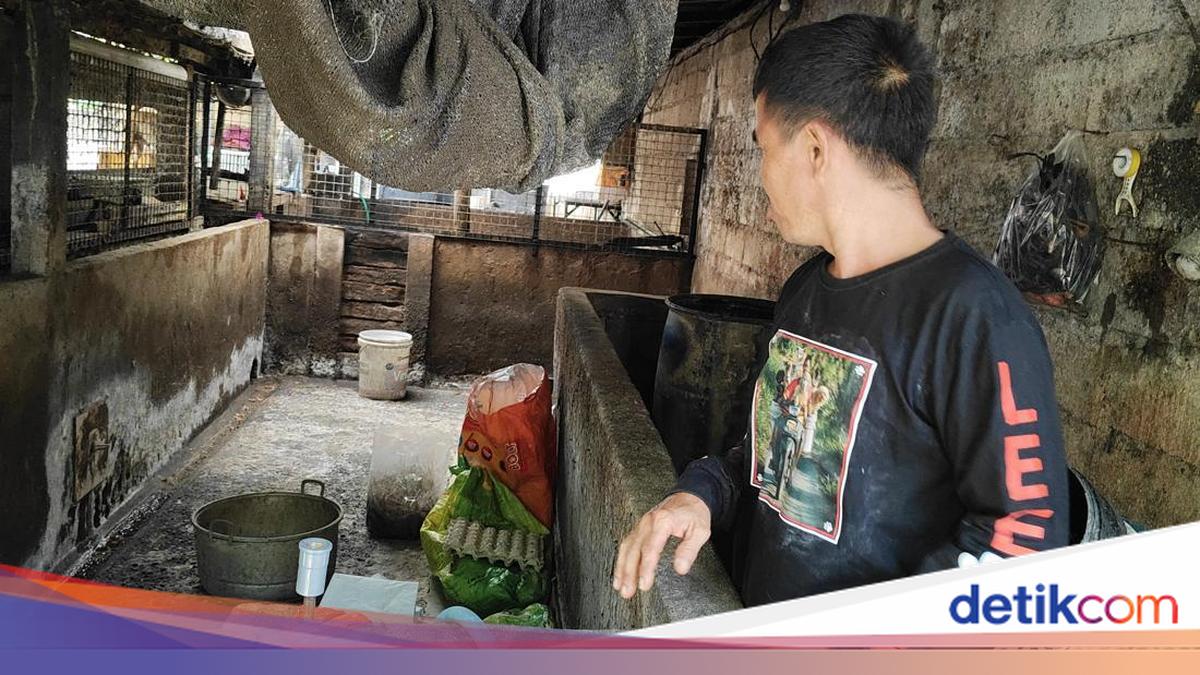
Badung’s Agriculture and Food Service (Disperpa Badung) disclosed the results of an investigation into the sudden deaths of dozens of pigs belonging to a farmer in Banjar Kayu Tulang, Desa Canggu, Kuta Utara, Badung. It was revealed that 30 pigs died, not 60 as previously reported.
Head of Disperpa Badung (Kadisperpa) Anak Agung Ngurah Raka Sukadana explained, based on investigation data, that the case began when 60 fattening pigs in the yard suddenly fell ill in early April. The pigs, purchased as piglets from the areas of Desa Buduk, Tumbak Bayuh, and Abiansemal, were initially in very good health.
‘The animals were kept in a colony-style system, with swill feeding or food waste from hotels and restaurants. In early April, two pigs showed clinical signs of not eating, lethargy, reddening of the skin, and inability to stand,’ Raka said on Friday (23 May 2026).
Although they received medical treatment from a private veterinarian, the outbreak continued to strike, resulting in mass mortality. Disperpa Badung confirmed the total number of deaths at 30 pigs, with some of them sold.
This contradicts the owner’s statement that all his pigs had died. Ketut Widanta said he sought to avoid mounting losses by clearing the remaining stock.
‘After treatment by a private veterinarian, the outbreak was followed by the death of additional pigs, so the farmer then sold 30 healthy pigs. The pen is now empty, with 30 dead pigs buried and the healthy pigs sold to a slaughterhouse in Darmasaba,’ Raka Sukadana said.
Puskeswan Mengwi personnel isolated and sprayed disinfectant in the pig housing area. Sterilisation was conducted after officials detected clinical signs pointing strongly to African Swine Fever (ASF).
‘Reports of pig deaths at Pak I Ketut Widanta’s yard in Canggu, Kuta Utara, have been followed up. Puskeswan Mengwi’s inspection results indicate that the disease attacking dozens of pigs indeed points to ASF,’ said Raka.
African swine fever poses a serious threat to breeders due to its destructive nature and the lack of a medical cure. The only way to break the transmission chain at the site is to tighten biosecurity and sanitation in the animal containment area so there is no spread to other sheds.
‘This disease cannot be treated; mortality can reach 100 percent, though prevention is possible. Therefore, stringent prevention via biosecurity and clean housing is crucial to prevent virus spread to other pens,’ he added.
Raka Sukadana emphasised that technical officers immediately distributed sterilisation tools to the affected farm. This step must be carried out comprehensively to ensure all virus remains are eradicated before breeders resume breeding activities.
‘Our field officers have provided disinfectant liquids to sanitize the area around the site. The pig housing must be completely free of the virus before it is used again for rearing new stock,’ he concluded.