
Organising Fiscal Incentives for MSMEs in the Era of Entrepreneurial Justice
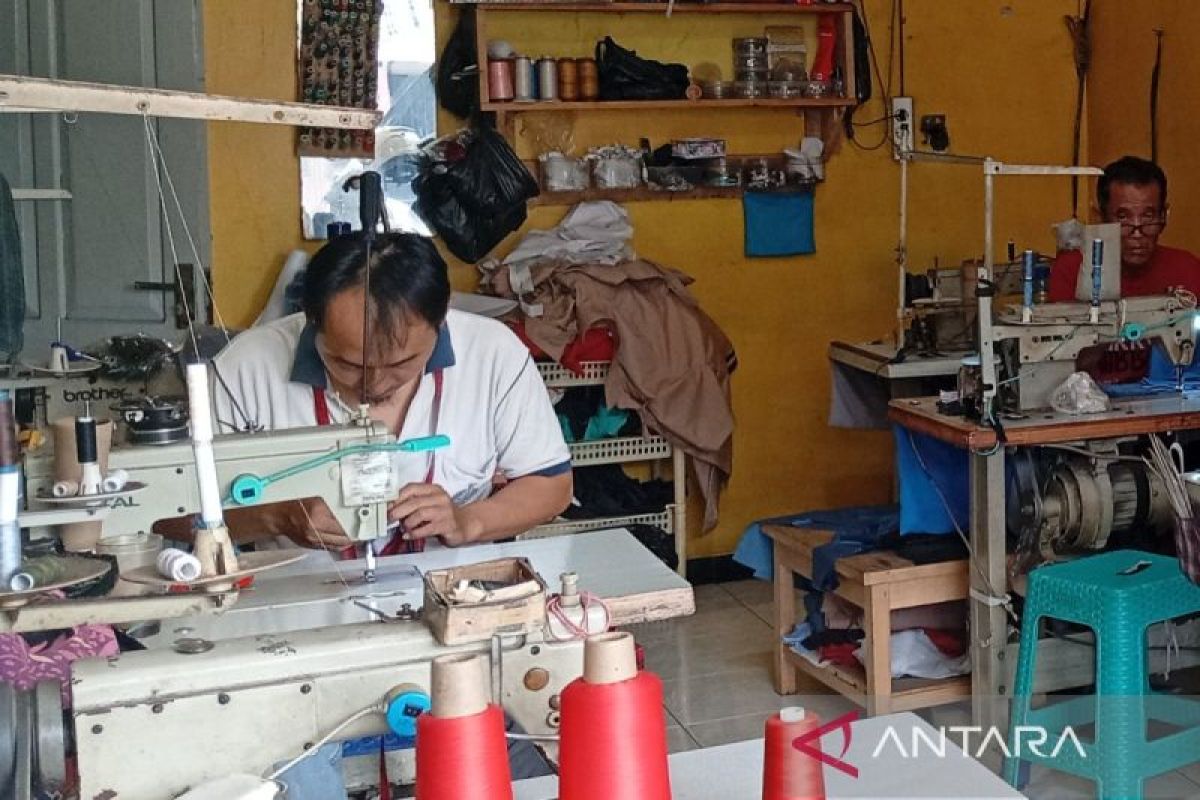
A critical issue currently under scrutiny is the practice of ‘firm splitting’, or the fragmentation of businesses, which has the potential to obscure the primary objective of providing tax facilities to MSMEs.
Jakarta (ANTARA) - The economic progress of a nation is ultimately determined not only by how many people are willing to undertake business, but also by the strength of our collective awareness in building a fairer life. Across every corner of the country, millions of entrepreneurs rise earlier than most. They open shops, manage stalls, market products online, run family businesses, and build companies from the ground up despite all limitations.
Through their efforts, jobs are created, economic activity moves, and the hope for a better life continues to grow. However, healthy economic growth cannot be sustained by entrepreneurial spirit alone; it also requires a system capable of maintaining fairness for all economic actors. When the state provides incentives to specific groups, those incentives must truly reach the intended targets. Conversely, when a business has grown and possesses greater economic capacity, it is only natural that there should be a greater contribution to the state as part of its social responsibility to the nation.
From this perspective, taxation is not merely an administrative obligation or an instrument for state revenue. Tax is a form of modern ‘gotong royong’ (mutual cooperation) that enables sustainable development. The roads used by entrepreneurs to distribute goods, the education that produces a quality workforce, the healthcare services that maintain public productivity, and various public facilities that support economic activities all require funding, much of which is sourced from taxes.
This spirit is reflected in the enactment of Government Regulation Number 20 of 2026, which amends Government Regulation Number 55 of 2022 regarding the Adjustment of Income Tax (PPh) Regulations. The primary focus is to improve and clarify the provisions of the 0.5 per cent Final Income Tax for taxpayers with certain gross turnovers. This is intended to ensure that Micro, Small, and Medium Enterprises (MSMEs) receive more targeted support, strengthen legal certainty, and prevent tax avoidance practices.
The regulation not only extends various forms of support for small and medium-sized enterprises but also strengthens government efforts to ensure that tax incentives are precisely targeted. One significant issue of concern is the practice of firm splitting, which has the potential to undermine the main purpose of providing tax facilities to MSMEs. Closing these loopholes remains a priority.
Source: jawawa.id (https://jawawa.id/newsitem/organising-fiscal-incentives-for-msmes-in-the-era-of-entrepreneurial-justice-1780800550)
Originally published by Antara (Indonesian) (https://www.antaranews.com/berita/5597244/menata-insentif-fiskal-umkm-di-era-keadilan-berusaha), translated from Indonesian