
Organising disaster communication beyond the affected area's radius
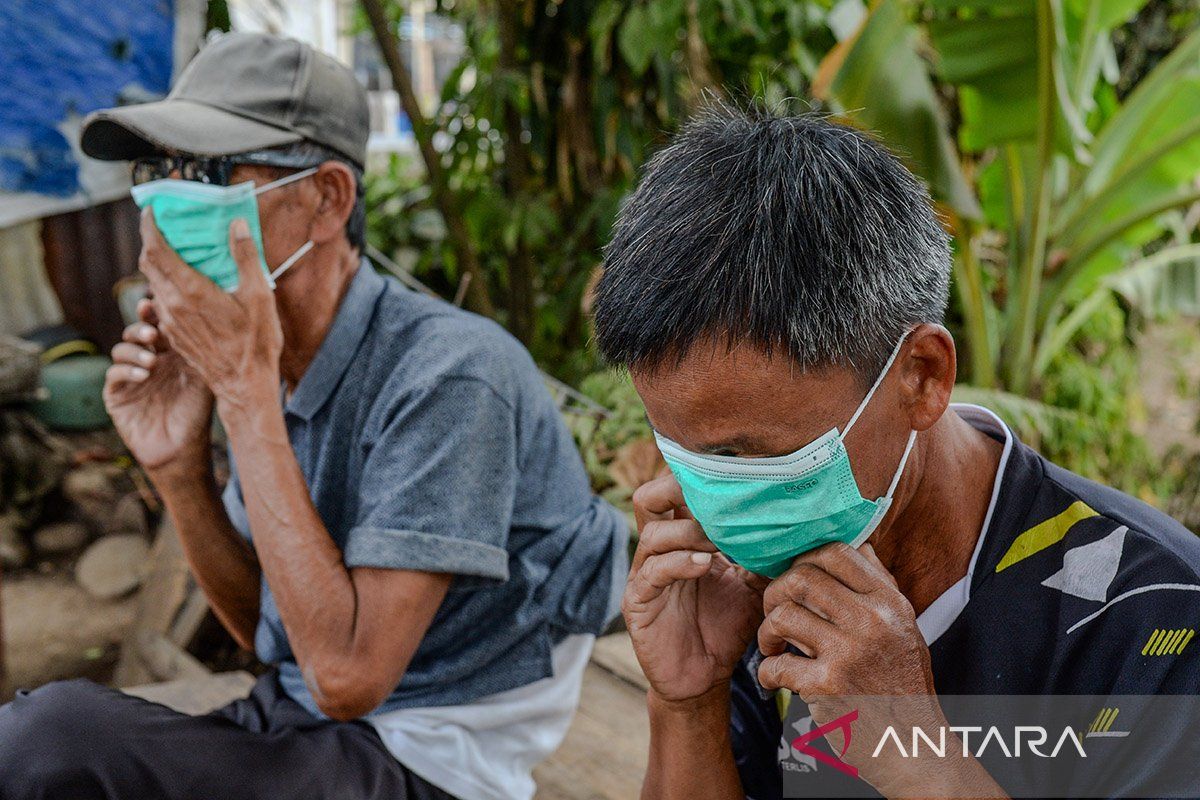
Jakarta (ANTARA) - In every disaster, communication work is often considered complete once official information has been conveyed. In fact, it is precisely after the information is released that the real work of communication begins.
When a volcano erupts, for example, the government must explain changing conditions, convey recommendations, and ensure residents know what to do. At the same time, the public seeks information from many directions. Some wait for government statements, some look at social media, ask family members, or forward information from chat groups.
Amid such a situation, the problem is not merely how quickly the government issues a statement. What is more decisive is whether the public can understand the ongoing situation and distinguish information that should be trusted from information whose sources remain unclear.
This becomes increasingly important because a disaster never only produces problems on the ground. It also produces uncertainty. People want to know whether it is safe to travel, whether schools remain open, whether flights are disrupted, whether their area could be affected, or whether the information they receive is correct. These questions may arise in places far from the scene of the event.
Consequently, disaster communication cannot adequately be understood as merely the delivery of warnings. It is also a way for the state to help society cope with uncertainty.
A common mistake is treating communication as part of the response, rather than part of preparedness. As a result, the government only begins drafting messages when the situation has already developed and public attention is rising. Yet the public cannot possibly learn to understand risk only when conditions have already become an emergency.