
Organic Waste Can Become Economically Valuable Products
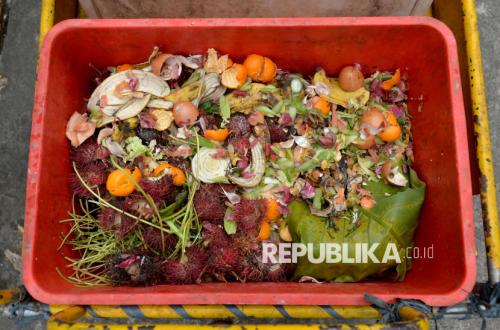
Organic waste that frequently ends up in landfills can, in fact, be processed into various beneficial products. Through simple management, fruit peels and vegetable scraps can not only reduce waste accumulation but also possess utility and economic value for the community.
This awareness is being introduced to students through various school-based waste management programmes. One such initiative is led by Allianz Indonesia through the Eco Enzyme programme, which encourages the utilisation of organic waste into products that can be used in daily life.
The Chairperson of the Allianz Peduli Foundation, Ni Made Daryanti, stated that waste management requires consistency and habit-building, starting from one’s immediate environment.
“Through the Eco Enzyme programme, we want to encourage the community, including school communities, to see that organic waste has utility when managed correctly,” Ni Made said in a statement released on Wednesday (10/06/2026).
The programme has been running since 2022 and continues to expand. This year, the focus of the activities is directed towards utilising the results of organic waste fermentation into products that are closer to community needs, while simultaneously possessing the potential to provide added economic value.
At two public primary schools in Jakarta, namely SDN Rawamangun 02 and SDN Pondok Kopi 02, teachers, students, and parents are invited to collect fruit peels and vegetable scraps to be fermented for three months into Eco Enzyme liquid.
The fermentation results can be utilised as floor cleaners, dish soap, deodorisers, insect repellents, and even plant fertiliser.
Furthermore, the fermentation residue, which is usually discarded, is also processed into other products such as therapeutic pillows and natural air fresheners. The therapeutic pillows are made from the fermentation residue used as a natural compress alternative and aromatherapy. Meanwhile, the air fresheners are made from dried residue packaged in cloth pouches.
According to Ni Made, this approach aims to show that organic waste management does not have to be complicated. With education and simple practices, the community can reduce waste while gaining benefits from the processed results.
The programme also involves the entire school ecosystem, including teachers, students, school committees, and parents. The involvement of various parties is considered essential to building the habit of sorting and processing waste from an early age so that it can continue within the family environment.
These efforts align with the policies of the Jakarta Provincial Government, which encourages waste sorting and processing at the source. Through habituation in schools, a more responsible waste management culture is expected to grow and become part of the community’s daily life.