
Organic food from Malang builds an ecosystem for the chain of life
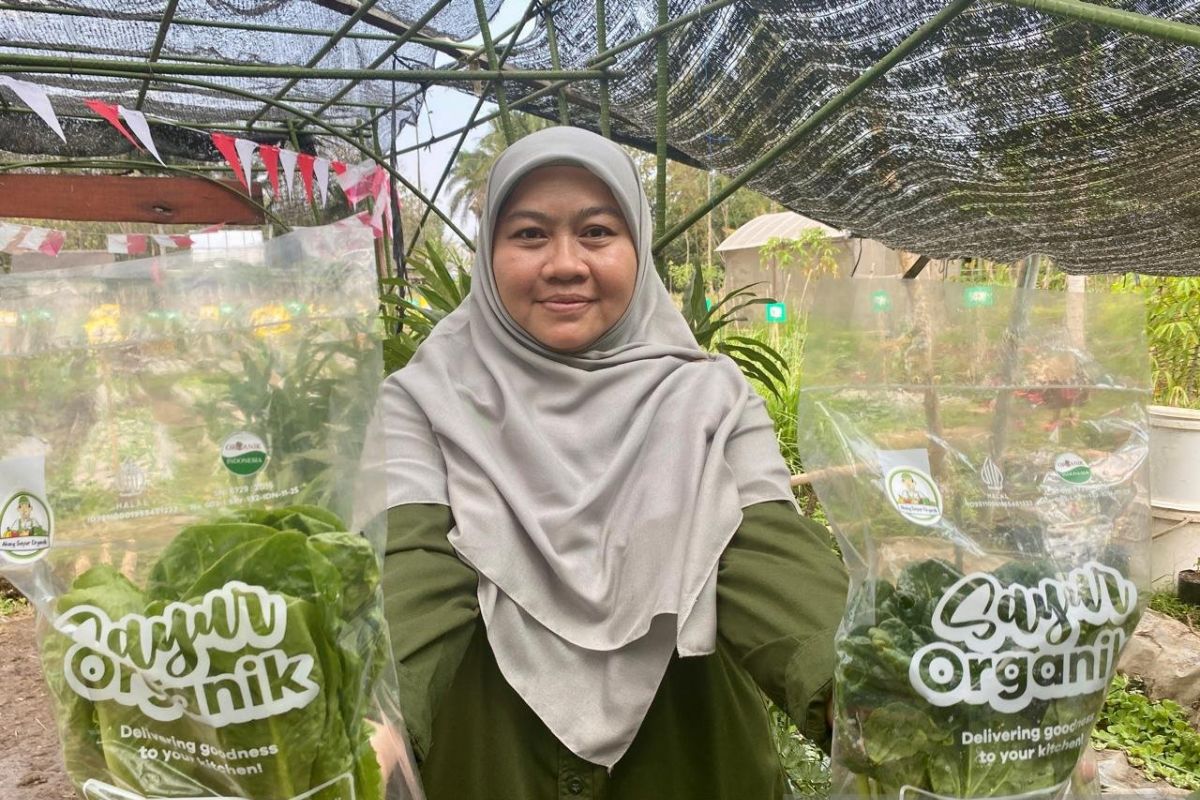
“It feels as though I am merely a vessel borrowed to introduce organic farming.”
These words were spoken by Diyah Rahmawati, a woman who has dedicated more than a decade to organic farming in Malang, East Java. For her, farming is not merely a lifestyle choice, but a mission born from personal experience. She aims to ensure more people have access to healthy food while empowering farmers and the community to grow together.
The turning point in her life began with a critical medical event. During her pregnancy, Diyah suffered from eclampsia, falling into a coma for five days and requiring hospitalisation for nearly a decade. When she eventually regained consciousness, her body recovered far more rapidly than medical experts had predicted. Diyah believes her habit of consuming organic food was the primary key to her physical resilience during that critical period.
This experience ignited a sense of empathy: what about other mothers in hospitals who also require healthy food? This question drove her to utilise a mere six square metres of her home garden to plant organic vegetables. The benefits she experienced gradually became known to women living in her neighbourhood.
Witnessing high levels of enthusiasm, Diyah was inspired to expand her impact. She leased and cultivated a 1,000-square-metre vacant plot in the Cemorokandang sub-district. From there, she established a social enterprise named Abang Sayur Organik to reach a wider audience.
From a single plot of land, a full ecosystem began to emerge. Slowly, Diyah’s perseverance in developing organic farming began to bear fruit. Her vegetables are not only marketed directly to consumers (B2C) but have also expanded into business-to-business (B2B) markets.
She does not wish to work alone. Local farmers around the Malang Raya region are invited to become partners. Their harvests are purchased at fair prices to ensure the economic wheels of the farmers continue to turn sustainably. The product range has also diversified, including not only green vegetables but also organic rice, tubers, free-range eggs, organic tempeh, and healthy processed goods, such as ready-to-drink smoothies targeting urban lifestyles.
In her garden, the farming process is not left unrecorded. Every planting bed is equipped with a QR code linked directly to the farmers’ daily logs. This system allows the entire process to be monitored in detail day by day, from the type of crop and maintenance history to the total harvest yield.
This recording system is not used solely in her own garden. Diyah is attempting to duplicate this method for her partner farmers. Through this data, she can identify the characteristics of each garden and the production potential of each individual farmer.
“Caring for organic vegetables is like caring for human beings,” says Diyah.
Source: jawawa.id (https://jawawa.id/newsitem/organic-food-from-malang-builds-an-ecosystem-for-the-chain-of-life-1789887351)
Originally published by Antara (Indonesian) (https://www.antaranews.com/berita/5749855/pangan-organik-dari-malang-membangun-ekosistem-untuk-rantai-kehidupan), translated from Indonesian