
Organda pushes for digitalisation of freight transport to support zero ODOL target by 2027
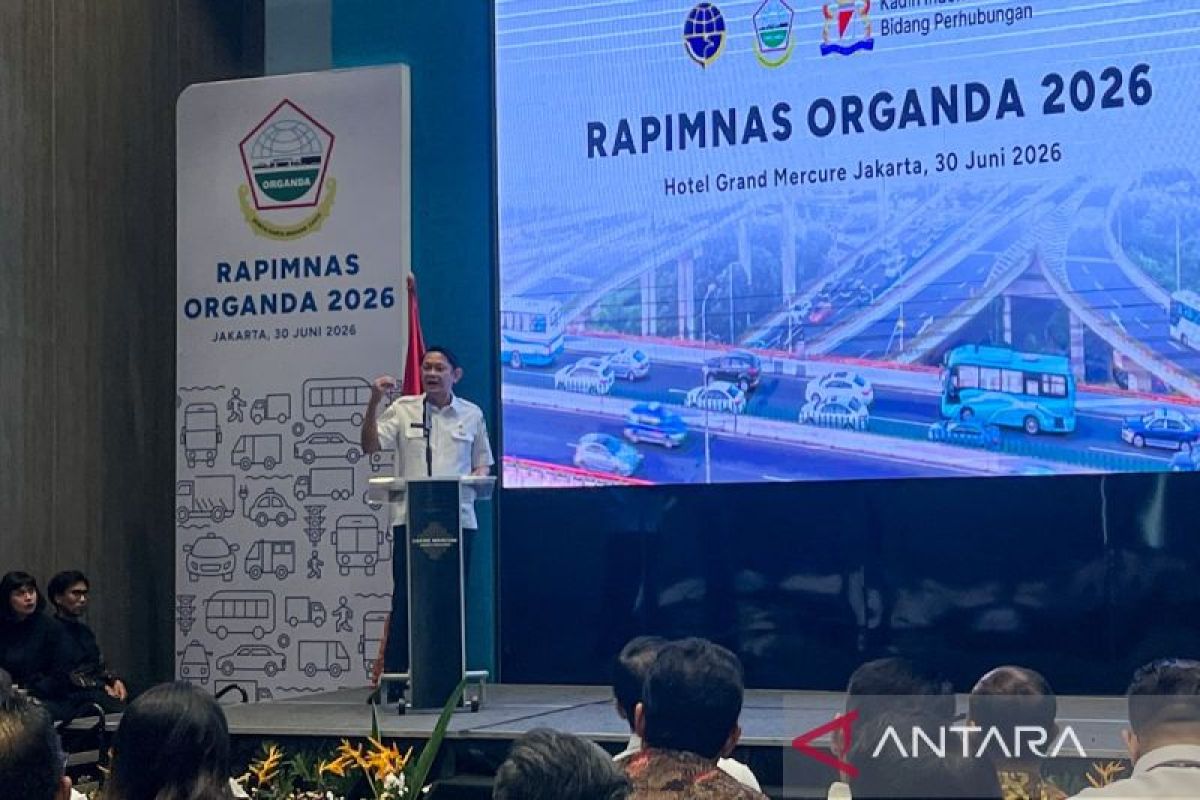
The Land Transport Organisation (Organda) is pushing for the digitalisation of the freight transport system to support the government’s target of achieving zero over-dimension and over-loading (ODOL) vehicles by 2027, while also improving national transport safety and efficiency. Chairman of the Central Executive Board (DPP) of Organda, Adrianto Djokosoetono, stated in Jakarta on Wednesday that technological adaptation is one of the organisation’s priorities in realising modern, transparent, and accountable transport governance. “We are encouraging the digitalisation of ticketing, logistics systems, and electronic manifests (e-manifest) so that the causes of ODOL vehicles can be clearly traced,” he said. The statement was delivered by Adrianto during the Organda 2026 National Leadership Meeting (Rapimnas) in Jakarta on Tuesday (30/6). According to him, such a system will make the handling of ODOL vehicles more effective because all parties involved in the transport process can be clearly identified. Adrianto assessed that the use of technology has become a necessity for the transport industry amidst the changing times, while also strengthening transparency and compliance with transport regulations. “The owner of the goods, the carrier, what the goods are, where they come from, and so on. These are things that are indeed possible in this technology-filled era,” he explained. In addition to digitalisation, Organda is also prioritising safety through the dissemination of the Safety Management System (SMK) to transport business operators in various regions. He hopes these efforts can gradually reduce accident rates while strengthening a safety culture within land transport operations. According to him, the sustainability of the transport industry depends on public trust, so the quality of service to passengers and the smooth distribution of goods must be continuously improved. He recalled that the experience during the COVID-19 pandemic demonstrated the vital role of the transport sector in sustaining national economic movement as community activities began to recover. Adrianto also noted that the various challenges faced by transport operators in different regions serve as important lessons to strengthen coordination and seek sustainable joint solutions. Therefore, Organda will continue to strengthen synergy with the government, partner associations, and all stakeholders to deliver policies that support the advancement of the national land transport sector. Previously, the Ministry of Transportation affirmed that the implementation of the policy towards zero ODOL by 2027 must be carried out comprehensively from upstream to downstream to improve transport safety and national logistics efficiency. “To realise zero ODOL 2027, the problem of over-dimension and over-loading vehicles can no longer be handled partially, but needs to be addressed comprehensively from upstream to downstream,” said Director General of Land Transportation at the Ministry of Transportation, Aan Suhanan, in a statement in Jakarta on Wednesday (8/4). According to Aan, many view the ODOL issue merely as a traffic violation on the road, but he stressed that all parties must see it as a safety issue that needs to be handled from upstream to downstream because there is a logistics transport ecosystem involved.