
Orang Rimba in Jambi Seek Protection from Coal Mining Impacts
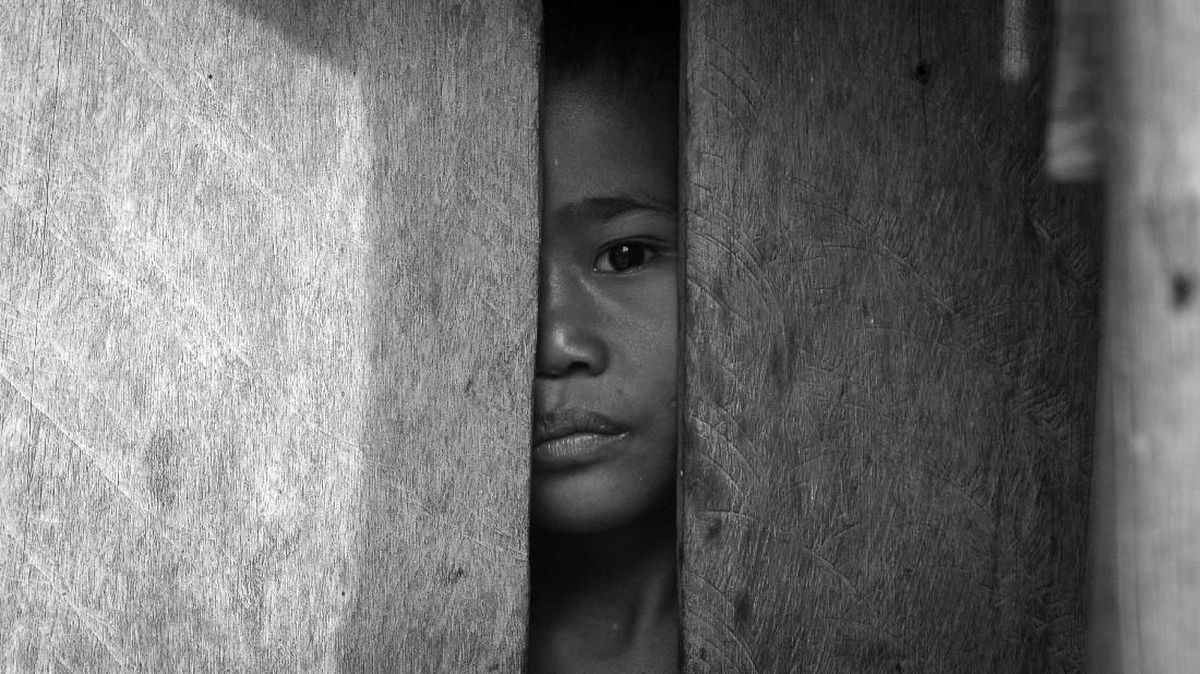
The Orang Rimba and village communities in Batang Hari Regency are calling on the government and environmental activists in Jambi Province to provide comprehensive protection from the impacts of coal mining activities near their settlements.
“We were given a map of our living area, but there is a mining site inside it. How will we live like this?” said Tumenggung Ngelembo during a group discussion with government officials, practitioners, and environmental activists at the University of Jambi on Wednesday (24/6).
He revealed that the Orang Rimba community, residing on the eastern side of Bukit Dua Belas National Park, had received a decree from the government allocating a living space of 3,495 hectares. However, upon inspection, the area was found to contain coal mining and oil palm plantation concessions.
On that basis, Ngelembo questioned the intent behind the decision. He expressed bewilderment that an area meant to be a comfortable living space for them actually included corporate exploitation concessions. This situation, he said, raises fears of potential conflict, and he urged responsible parties to review the decision. “Our living space should be clean from mining and plantation activities,” he stated.
Susanto, a resident of Bathin XXIV Subdistrict in Batang Hari Regency, raised similar concerns. He argued that the presence of mining companies does not always benefit the people of Jelutih Village and the Sungai Rotan area. The mines have instead caused severe environmental pollution, and the government has recently issued permits for 15 new sites that will soon begin operations. “We ask the local government to mediate this issue, so that we who live around the sites do not suffer from illnesses caused by the dust,” Susanto said.
Responding to these concerns, Hannurofik, Head of Natural Resources at the Batang Hari Regency Secretariat, stated that the presence of coal mining must be assessed objectively from two perspectives. On one hand, mining significantly boosts regional revenue. However, this must be balanced with positive impacts for the local community. He hoped the discussion would allow all parties to voice their complaints to the central government. “This is a very good forum for expressing opinions. Hopefully, through this activity, the relevant parties can find a solution,” he said.
Robert Aritonang, Programme Manager of KKI Warsi, added that the discussion on the impacts of coal mining on the Orang Rimba and surrounding communities would serve as material for recommendations and improvements in future programmes. Based on previous research and the results of this discussion, his organisation is optimistic about strengthening its role in bridging the interests of local communities and ensuring environmental sustainability. “These recommendations will form the basis for advocacy, mediation, and facilitation in community assistance,” Robert said.