
Oracle's Larry Ellison Loses Nearly Half His Wealth as Shares Plunge
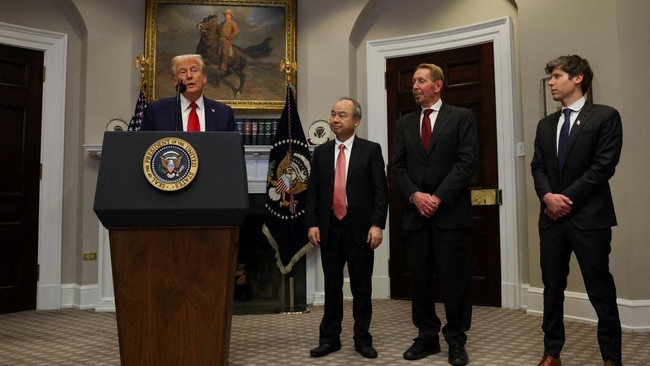
Oracle chairman Larry Ellison has seen his wealth nearly halve in just one month, as a sharp decline in the company’s share price pushed him down the global rich list to eighth place, behind Nvidia CEO Jensen Huang.
According to Forbes, Oracle shares fell more than 5% on Monday to below US$133, extending a slump that has seen the stock lose 47% since hitting a high on 1 June. Ellison, who owns roughly 40% of Oracle, lost US$8 billion in a single day, leaving his fortune at an estimated US$175.2 billion.
He now sits just below Jensen Huang, whose net worth stands at US$176.3 billion after Nvidia shares fell 3.4%. The decline marks a dramatic reversal for Ellison, whose wealth has shrunk by US$124.8 billion since briefly surpassing US$300 billion in early June, when he was the world’s second-richest person behind Elon Musk.
Ellison’s fortune had surged during the second Trump administration, buoyed by policies that benefited his investments, including a majority stake in TikTok’s US operations, the acquisition of media giant CBS Paramount, and a massive data centre project.
However, pressure on Oracle has mounted as investors grow wary of the company’s enormous spending on cloud computing and artificial intelligence. Oracle plans to invest roughly US$70 billion this fiscal year, and has indicated that figure could rise by a further US$25 billion.
Analysts at Melius Research warned that spending plans could change if OpenAI or Anthropic request even greater computing capacity. Meanwhile, S&P Global downgraded Oracle’s credit rating, noting that while the company’s fast-growing AI infrastructure business has potential, the associated costs could weaken its financial position in the short term.
Oracle’s market capitalisation has plunged by US$494 billion since its peak in September, falling to roughly US$383 billion last week. At the end of May, the company was still valued at around US$649 billion. Like its competitors, Oracle has been aggressively expanding its cloud and AI operations, and its shares rallied ahead of its latest earnings report in early June on expectations of a backlog exceeding US$660 billion.
That backlog was seen as a sign that the company’s aggressive expansion strategy was beginning to pay off. But while Oracle beat quarterly revenue and profit forecasts, it disappointed investors with its guidance for the 2027 fiscal year. Vital Knowledge analyst Adam Crisafulli described the sales outlook as a “disappointment”, highlighting Oracle’s decision to maintain its annual revenue projection of US$90 billion.