
Optimising Performance: Indonesia's BNPP Urges Implementation of Civil Servant Talent Management
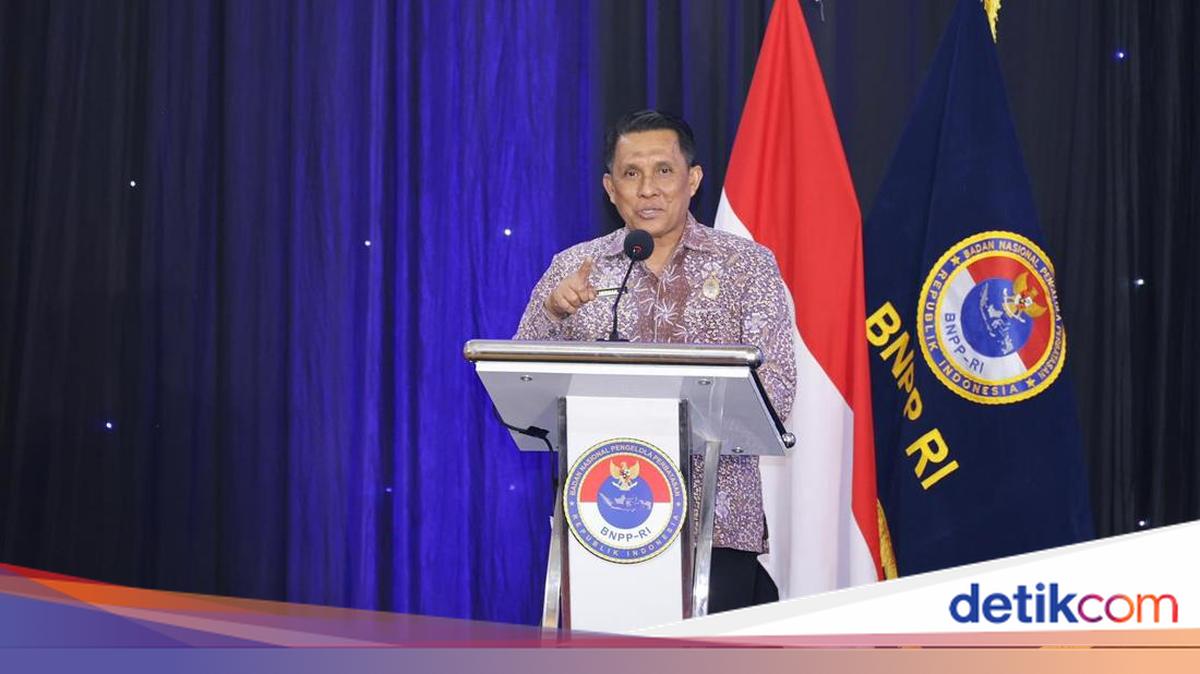
The National Border Management Agency (BNPP) of Indonesia is accelerating the implementation of Civil Servant (ASN) talent management as part of the restructuring of human resource management within the BNPP Permanent Secretariat.
This system is designed to ensure that the placement and development of civil servants are conducted based on competence, performance, potential, integrity, and organisational requirements. This acceleration was the primary focus of the Coordination Meeting on Personnel Acceleration for ASN Talent Management Implementation within the BNPP Permanent Secretariat, held on Wednesday (2/9/2026).
Secretary of BNPP RI, Makhruzi Rahman, stated that strengthening human resources is a vital necessity because the BNPP holds a strategic mandate to manage national borders and border areas, which possess different characteristics and challenges in every region.
“Talent management is a crucial part of ensuring we have the right people, with the right competence, in the right position, and at the right time,” said Makhruzi in a written statement on Thursday (3/9/2026).
According to Makhruzi, the quality of policies, systems, and border management infrastructure must be balanced with the capacity of the civil servants executing them. Furthermore, BNPP civil servants stationed in border areas face geographical conditions and working environments that require resilience and dedication. Therefore, human resource management must be directed not only to meet staffing numbers but also to ensure competence alignment with assigned duties.
Furthermore, Makhruzi noted that the BNPP has established several foundations towards implementing talent management, including assessments, education and training, as well as the development of technical and functional competencies. Support from the National Civil Service Agency (BKN) is also considered essential to accelerate the implementation stages so that the talent management system can be applied in a measurable and sustainable manner.
Deputy for ASN Management Development at BKN, Herman, explained from a technical perspective that talent management allows government agencies to prepare candidates for strategic positions before vacancies occur. Unlike open selection processes, which are generally conducted after a position becomes vacant, talent management begins with continuous mapping, development, and candidate preparation.
“What we are building is a system capable of preparing candidates before a position is vacant. Thus, when the organisation requires someone to occupy a specific role, the candidates have already been mapped and prepared,” he said.
Mapping is conducted through a Nine-Box Matrix by measuring the performance and potential of civil servants, which serves as the basis for forming talent pools and the talent matching process.
Director of ASN Talent and Career Development at BKN, Syamsul Hidayat, emphasised that talent management is not merely about finding civil servants with the highest scores. According to him, talent must have a ‘fit’ with the organisational characteristics and job requirements.
“The best talent is not always the person with the highest test scores. What is more important is how an individual’s ability and willingness align with organisational needs to deliver optimal performance,” he concluded.
The implementation of talent management at BNPP RI will subsequently require institutional strengthening, ranging from regulations and Talent Management Teams to Talent Committees and the updating of civil servant data. To support this process, systems provided by BKN, such as MyASN/SIASN and the BKN Talent Management System (Simata), can be directly optimised. BKN has also expressed its readiness to provide assistance to ensure the implementation of talent management within the BNPP environment can be realised promptly.
For the BNPP, talent management is more than just an instrument for filling positions; it is part of an organisational investment in preparing human resources sustainably. By placing civil servants according to their competence and potential, the BNPP is expected to be increasingly prepared to carry out its mandate of managing national borders while providing a tangible contribution to communities in border regions.