
Optimising Gold Potential for National Economic Resilience
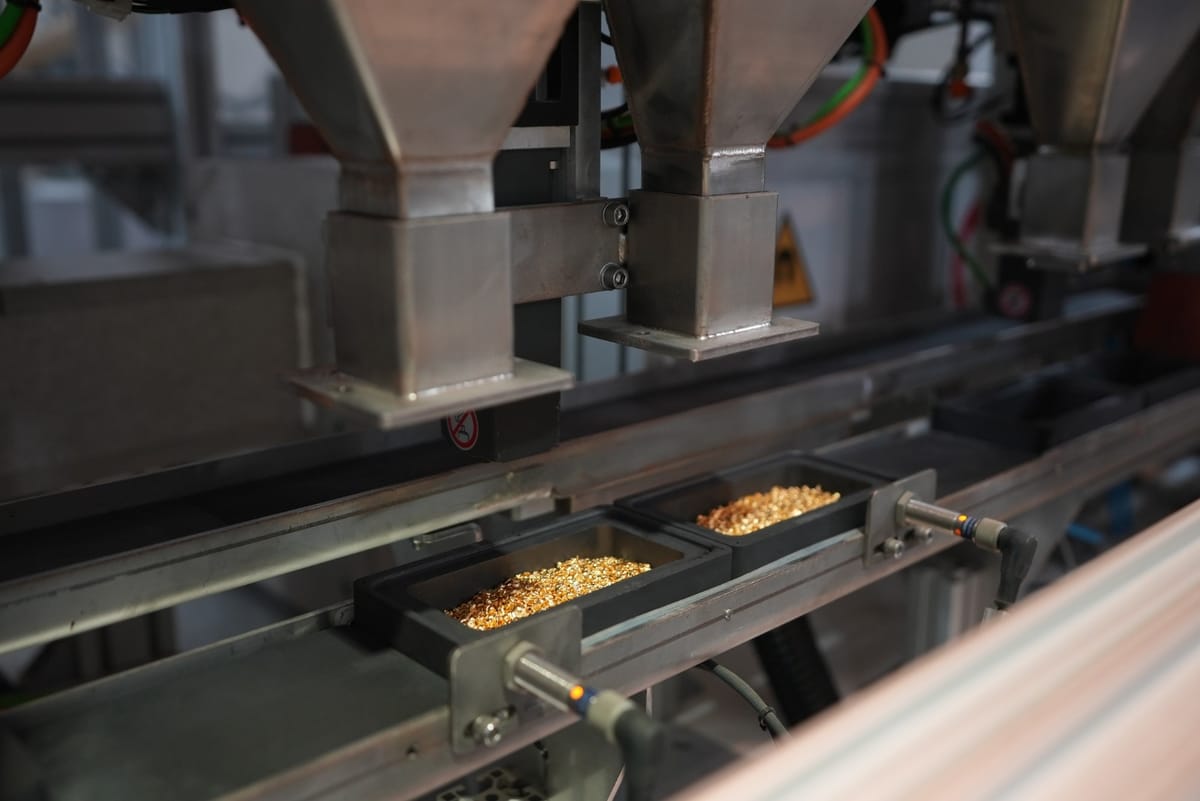
Indonesia is one of the world’s leading gold producers. This potential is supported by the Government’s efforts to transform the mining industry through the acceleration of mineral downstream processing. The construction of smelters, such as the one by PT Freeport Indonesia in Gresik and another by PT Amman Mineral Internasional Tbk in West Nusa Tenggara, marks significant progress. Freeport’s facility, built with an investment of approximately US$3.7 billion, is one of the world’s largest integrated copper processing plants, producing gold and silver as by-products alongside copper cathodes. Similarly, Amman’s smelter includes a Precious Metal Refinery (PMR) facility with an annual input capacity of 900,000 metric tonnes of concentrate, designed to produce 579,000 ounces of pure gold, 1.8 million ounces of pure silver, and 77 tonnes of selenium.
Edi Permadi, a Natural Resources Expert at the National Resilience Institute (Lemhanas) and a mining industry professional, praised the progress of the downstream policy but highlighted future challenges. He stressed that the government must ensure the newly built processing facilities have an adequate supply of raw materials and a conducive business climate to attract long-term investment. He noted that supply restrictions should only apply to official permit holders to strengthen transparency and combat illegal mining, insisting that a healthy industry must be built on a legal and traceable supply chain.
Permadi pointed to the operational disruption at Freeport Indonesia’s Gresik smelter in 2024 as a critical lesson. He argued that the government must take necessary steps to ensure mining activities continue and state revenues are not impacted when domestic processing capacity is temporarily impaired. This experience demonstrates that downstream policy must not be overly rigid; instead, it requires an adaptive and consistent approach.
As the national gold bullion ecosystem and refining capacity develop, Permadi urged the government to carefully formulate the Domestic Market Obligation (DMO) policy for gold. He cautioned that the DMO should not be designed to detain all domestic gold production but rather to secure an optimal supply for state-owned refining facilities, such as PT ANTAM, as part of strategic national projects. The DMO volume should be determined proportionally based on the feasibility studies of these projects to ensure they operate according to their economic design, while allowing producers the flexibility to export the remaining production. This dual approach would enable the downstream sector to thrive with adequate supply while generating foreign exchange through the Export Proceeds (DHE) mechanism, ultimately reducing pressure on the rupiah by meeting the industry’s high dollar-denominated capital needs.