
Optimal Gear Position for Engine Braking on Downhill Roads
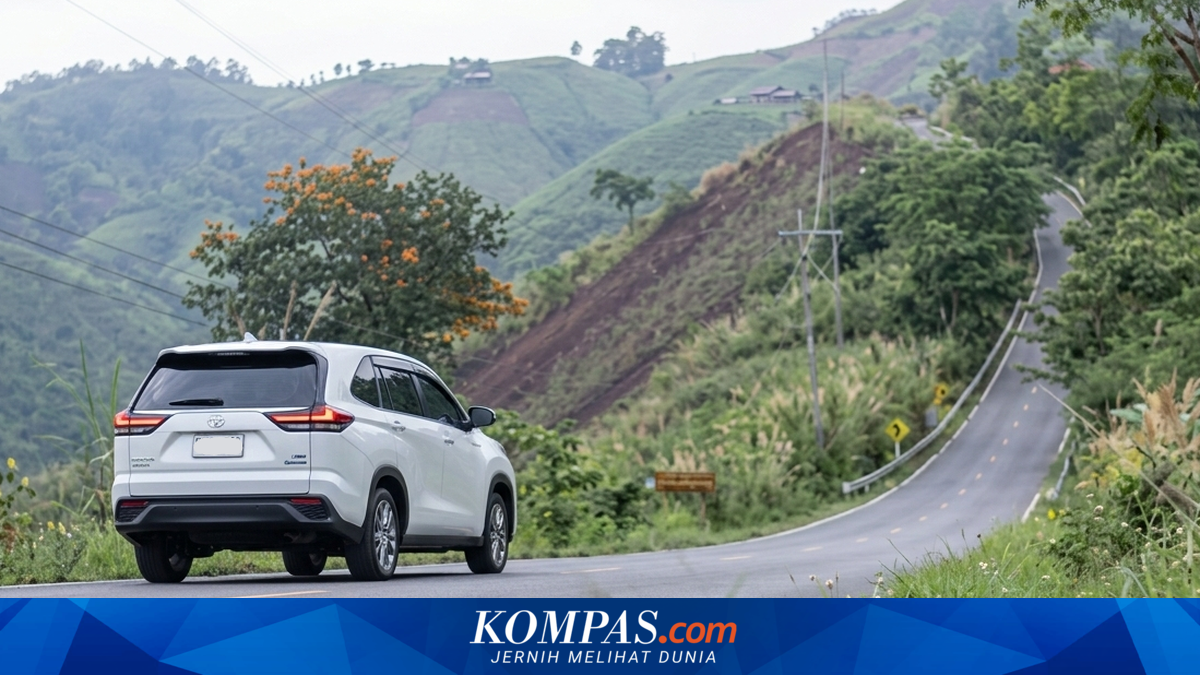
SOLO, KOMPAS.com - Many drivers underestimate the challenges of driving on downhill roads. However, this situation requires proper driving techniques to maintain vehicle stability and prevent brake overheating.
Improper use of brakes on long descents can reduce braking performance and potentially lead to accidents.
Therefore, drivers are advised to utilise engine braking to help control the vehicle’s speed.
The Training Director of Safety Defensive Consultant Indonesia (SDCI), Sony Susmana, stated that when driving on downhill roads, vehicles need good brake control.
Sony added that out of the three types of brakes, engine braking is the most optimal because it works without metal friction, which can prevent overheating.
Engine braking in a vehicle can be done before or immediately after starting the descent.
“For manual cars, gently press the brake and maintain the RPM at no more than 1,500. Shift to a lower gear (second or third) and release the clutch; this will control the vehicle’s speed,” said Sony.
Sony also stated that if the speed increases, occasionally press the brake pedal to prevent erratic movement.
“For automatic transmission vehicles, do the same: shift to S or D1 (representing first gear) and occasionally press the brake pedal,” said Sony.
“If the descent is long, ensure you maintain a safe distance from the vehicle in front and be aware of any dangerous spots, curves, or blind spots ahead,” said Sony.
By using engine braking correctly and maintaining a safe distance, drivers can navigate downhill roads more safely while preventing the brakes from overheating.