
Opsen: Not an Option
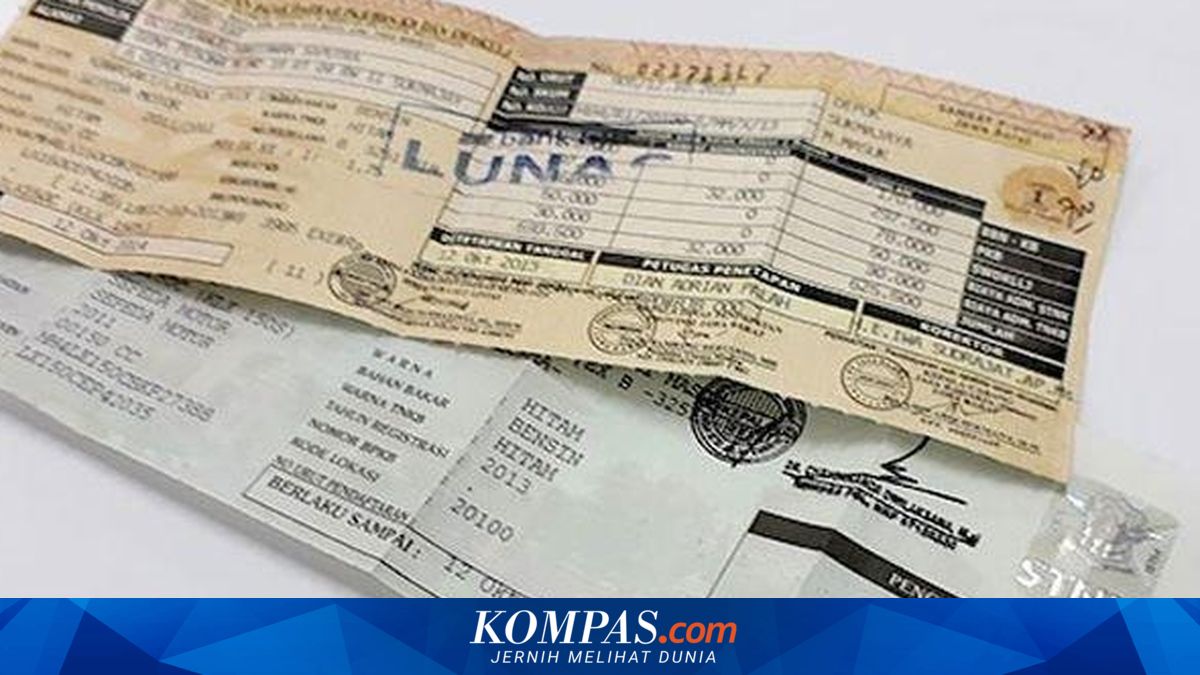
Recently, online spaces have been abuzz with reports of increased motor vehicle taxes across various regions. Not only new vehicle owners, but also those with older cars have complained about the perceived excessively high charges. Upon investigation, the increase stems from a tax called ‘opsen’. Opsen is not a new tax. Since 5 January 2025, local governments have imposed it as an additional levy on motor vehicle taxes and vehicle transfer duties. This is stipulated in Law No. 1 of 2022 on Financial Relations between the Central Government and Regional Governments (UU HKPD), which states that opsen will take effect three years after the law’s enactment, in January 2025. In other words, opsen is an additional tax on existing levies. The UU HKPD outlines three types of opsen. First, a motor vehicle tax surcharge imposed by regencies/cities on the base motor vehicle tax. Second, a vehicle transfer duty surcharge levied by regencies/cities on the base transfer duty. Third, a non-metallic mineral and rock tax surcharge imposed by provinces. Law No. 1/2022 stipulates that the opsen rate for motor vehicle tax and vehicle transfer duty is 66% of the tax due, collected alongside motor vehicle tax payments. For example, if the motor vehicle tax is 1.2% of the vehicle’s sale price, the opsen would amount to 66% of that tax amount. The collected opsen revenue goes directly to city or regency coffers, without sharing with provincial governments. Thus, the more registered vehicles in a city, the higher the opsen revenue collected. However, this risks causing conflict, as there have been instances of regional authorities rejecting out-of-area vehicles operating locally.